

Audio By Carbonatix
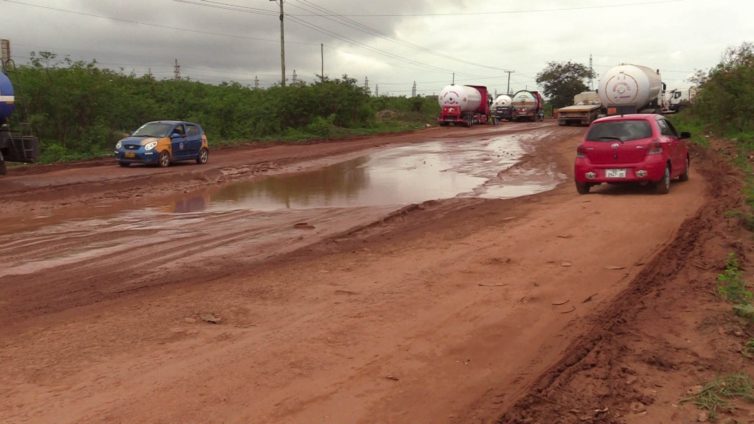
The Ghana Chamber of Bulk Oil Distributed (CBOD) is calling on government to urgently rehabilitate and properly maintain the road network in and around the petroleum storage management industrial area in Tema.
The main road to the area is a 7.2-kilometre single carriageway, which facilitates service delivery by industry giants like the Tema Oil Refinery (TOR), West Africa Gas Pipeline and Quantum Terminals.
But it is in such bad shape that CBOD is warning that if it is not fixed soon, the deplorable nature of the road could one day affect petroleum supply and distribution around the country and severely reduce economic output.
“Almost all the petroleum products that are used across the country [i.e. 90%] come from within this enclave, so we have a lot of bulk road vehicles and petrol tankers running around the place. The state of the roads, which are currently in very bad condition, have tremendous effects on the conditions of these vehicles,” said Chairman of the Depots Committee at CBOD, Mr Alex Amoaku.
“Apart from the industry itself, you’d also find trucks from other warehouses nearby, carrying sugar or rice from the harbour either breaking down or having their content tipped over unto the middle of the road and disrupting the free flow of traffic.”
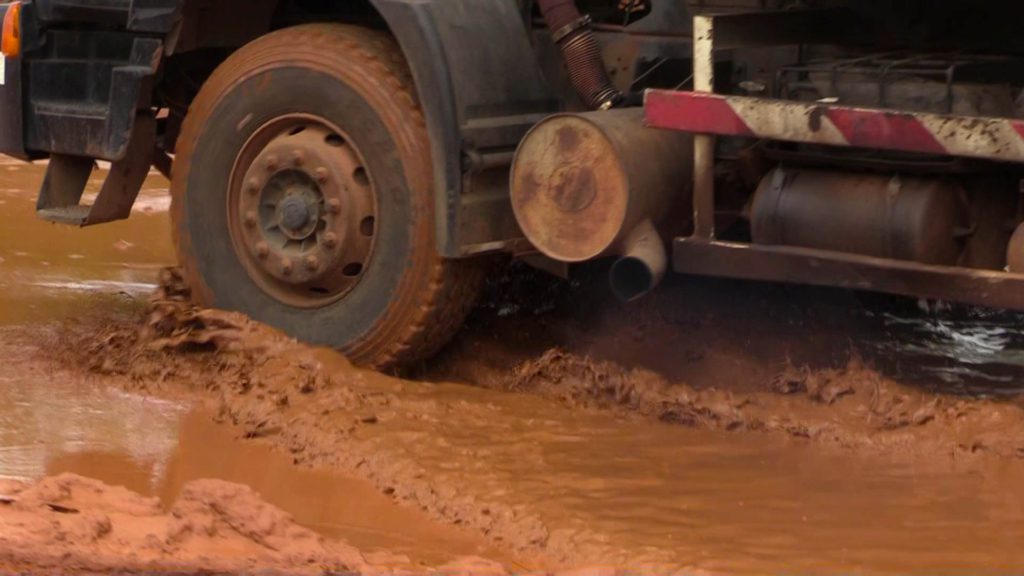
Mr Amoaku further expressed concern about the health and safety of workers and inhabitants of the area, naming musculoskeletal problems “and other related diseases” as some of the adverse effects of the poor road infrastructure in the petroleum enclave on the people living working in the area.
“If you take a look at the public transport vehicles that ply these roads, you will notice they are in a very bad state because no one with a very good vehicle would use this route, given the nature of the road,” he said.
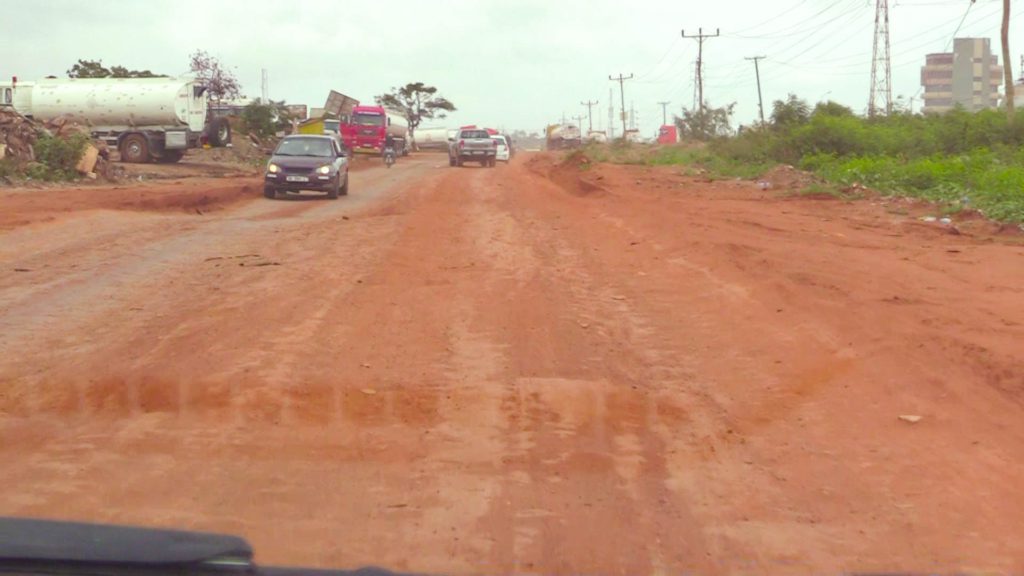
“Beyond the breaking down of vehicles, we also have the issue of safety to deal with, because these products in transportation are highly flammable – LPG, petrol and diesel. If an LPG truck breaks down for any reason and is abandoned, perhaps because it’s late, anything could happen if someone runs into it.”
Mr Amoaku added: “Health-related issues are an everyday occurrence, as our staff are always reporting to the hospital with them, and we always end up having to take care of the bills.”
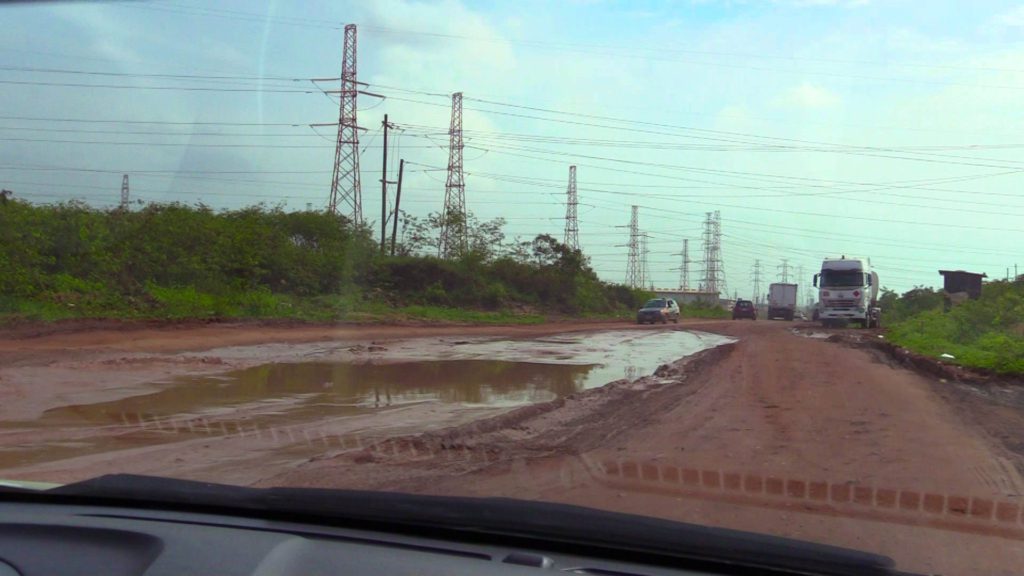
CBOD is reaching out to government and appropriate authorities to fix what it considers a risk to the petroleum industry and the Ghanaian economy in general.
Latest Stories
-
MamaCare CEO warns unresolved conflicts among health workers could undermine maternal and neonatal care
36 seconds -
Health professionals urged to translate medical knowledge into practice to save mothers
7 minutes -
Conflicts among care providers linked to maternal, neonatal deaths – Expert
2 hours -
GIS marks 10th TIME conference, champions improved teaching practices
2 hours -
BRICS Or Balance? What Ghana’s bid really means
2 hours -
GPRTU wants full TRAFFITECH-GH implementation to start in 2027
3 hours -
Mahama announces plans to import electric wheelchairs for PWDs
3 hours -
KGL U17 Colts 2026: Western beat Prempeh Elite Academy to set up final final with Greater Accra Region
3 hours -
Late Solanke strike salvages 10-man Spurs draw at Man United
3 hours -
Gender Ministry to monitor welfare of Nana Akua Addo’s children amid domestic violence case
3 hours -
Benedict Okyere Yeboah: Ghana’s football problem goes beyond sacking a coach
3 hours -
GPL 2026/27: Darkwah Wiafe’s winner sees All Blacks beat Kotoko
3 hours -
ITF World Tour : Patel Wins Boys’ Singles Final at J100 Accra
4 hours -
Ghana must pursue BRICS partnership if it brings economic benefits – Kpebu
4 hours -
Success and Wright Claims J100 Accra Girls’ Doubles Championship
4 hours