

Audio By Carbonatix
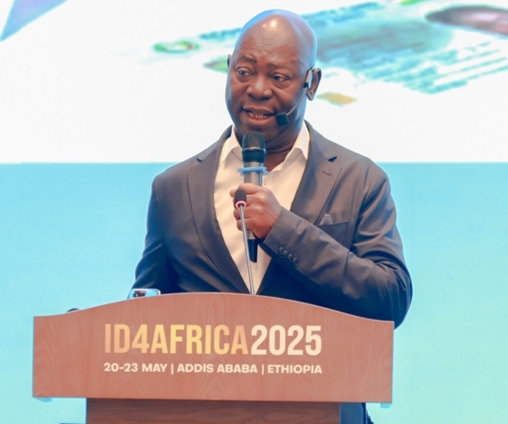
The CEO of Margins ID Group, Moses Kwesi Baiden Jr., has outlined the impact of Ghana’s national biometric ID system—the Ghana Card—on the country’s healthcare sector.
Speaking at the ID4Africa 2025 summit in Addis Ababa, Ethiopia, during a session focused on digital identity and public service delivery, Mr. Baiden described how the Ghana Card is being used to improve efficiency and reduce costs in healthcare.
According to Baiden, the integration of the Ghana Card into the healthcare system has allowed the government to eliminate the need for separate National Health Insurance Scheme (NHIS) cards. This consolidation, he said, is saving the government millions of dollars annually by streamlining identity verification and reducing instances of healthcare fraud.
The Ghana Card, a legally mandated biometric identity document, has now been issued to over 98% of the adult population, with efforts ongoing to register children. Baiden said that more than 200 million biometric verifications have been processed through the system so far.
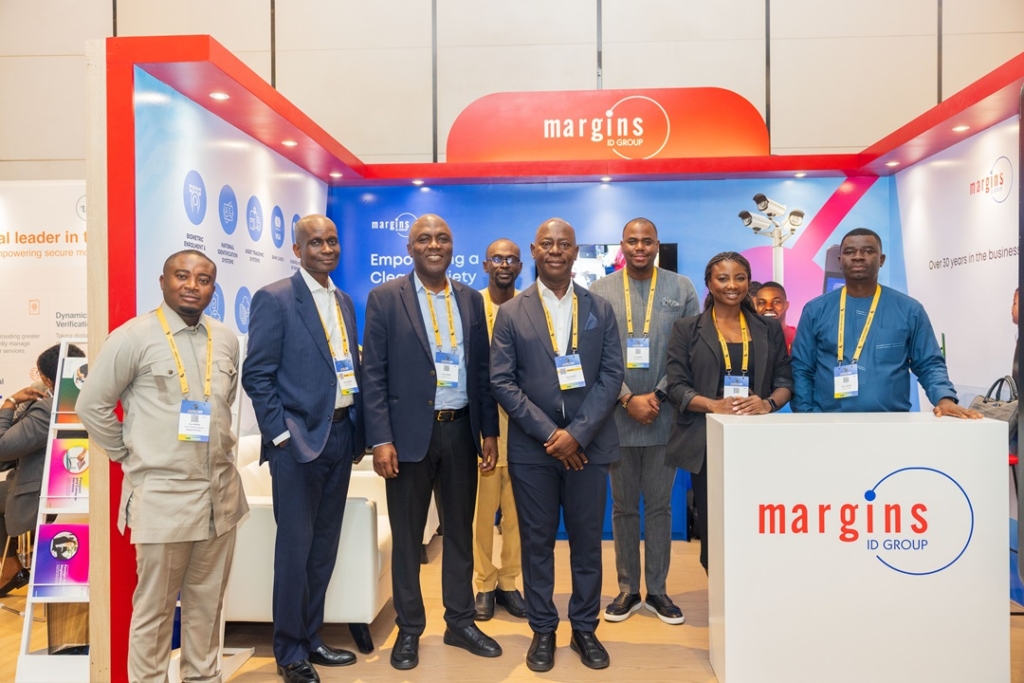
Margins ID Group, a private Ghanaian company, was one of only two African firms represented at this year’s summit. Through its subsidiaries, Identity Management Systems (IMS) and Intelligent Card Production Systems (ICPS), it partnered with the National Identification Authority (NIA) to develop and roll out the card.
In his address, Baiden argued that a single, integrated identity system is essential for digital governance and development. He pointed to the card’s application beyond healthcare, including its use in banking, education, and government services, as evidence of its broader value.
He also called for greater inclusion of African-developed digital identity solutions in global discussions, stating that Africa should not be seen only as a market but also as a source of innovation.
The ID4Africa summit, held annually, brings together identity authorities, technology providers, and policymakers from across the continent. As African countries work toward the UN Sustainable Development Goal 16.9—to provide legal identity for all by 2030—Ghana’s experience with the Ghana Card was presented as one possible model for others to examine.
Baiden stressed that the success of identity systems should be measured not just by technical achievements but by their ability to deliver tangible benefits to society.
Latest Stories
-
John Darko denies role in SIC settlement after EOCO interrogation
35 minutes -
GRA identifies about 100 additional foreign digital service providers for VAT collection
50 minutes -
Digital VAT collection system will not add another 20% to existing charges – GRA clarifies
55 minutes -
BBNaija wears a Nigerian crown, not an African one
1 hour -
Ga Mantse to co-host 5th edition of ‘A Night with the Diplomats’
2 hours -
Stirling Centre launches 4th cohort of its flagship COLP qualification, welcomes learning leaders from Ghana, other countries
2 hours -
IMF/World Bank Annual Meetings: Africa must help shape global AI rules – BoG Governor
2 hours -
GMTF takes fight against crippling treatment costs to Volta Region
2 hours -
GMTF targets Volta healthcare gaps with equipment, specialist training and patient support
3 hours -
Telecel Ghana wins 2 awards at the CCIFG Gala and Awards 2026
3 hours -
Petrol, diesel prices set to fall from Oct. 16 as LPG faces 18.5% hike
3 hours -
Bank of Ghana engages stakeholders in Techiman
3 hours -
PIAC unable to verify GH¢21m petroleum-funded projects in Ayawaso West
4 hours -
Ketu North MP led delegation petitions government over deteriorating Weta Irrigation Scheme
4 hours -
Unpaid contractor delays KATH Mother and Baby Unit as materials deteriorate
4 hours