

Audio By Carbonatix
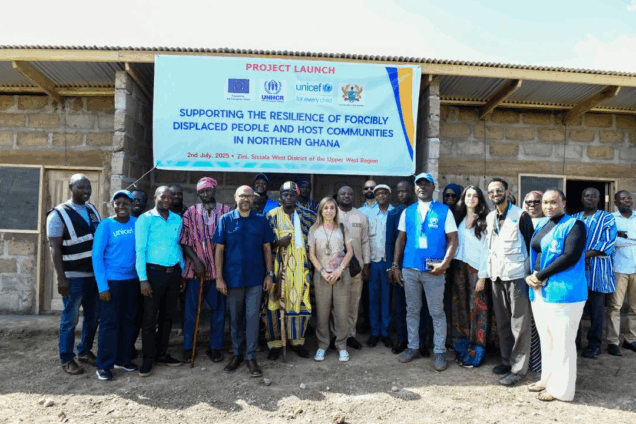
The European Union (EU), UNICEF and UNHCR, the UN Refugee Agency, launched a €2.7 million multi-donor initiative in northern Ghana to significantly strengthen the resilience and improve the lives of forcibly displaced persons and their host communities.
The two-year, Supporting the Resilience of Forcibly Displaced People and Host Communities in Northern Ghana, known as the UNITE project, is co-led by UNICEF Ghana and UNHCR.
Implemented in the Tarikom and Zini communities of Ghana’s Upper East and Upper West regions, respectively, the project will address urgent needs of women and children while strengthening national systems for inclusive development.
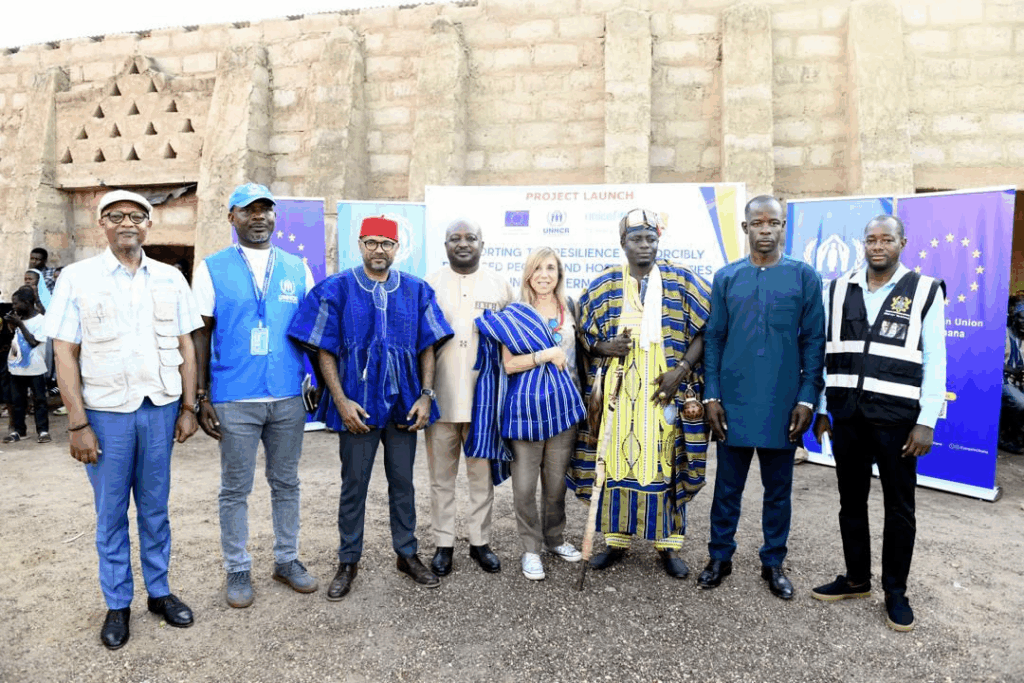
This collaborative effort was delivered in partnership with the Ministry of Gender, Children and Social Protection; Ghana Health Service; Ghana Education Service; National Identification Authority; and local government authorities.
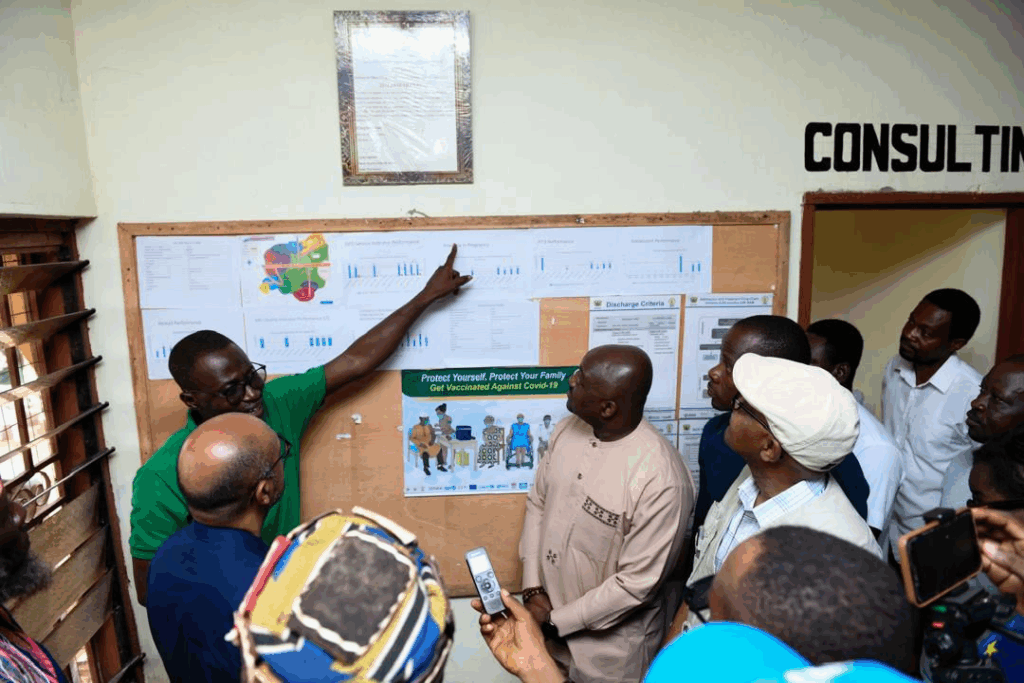
It seeks to improve access to essential services, foster social cohesion for forcibly displaced persons and other vulnerable groups, and promote long-term sustainable development, with the objective of aligning with national strategies and complementing existing efforts like the Gulf of Guinea Social Cohesion (SOCO) programme.
"Prolonged conflict in the Gulf of Guinea has forced thousands to flee their homes, with over 17,000 asylum seekers estimated to be living in the Upper East and Upper West regions of Ghana.
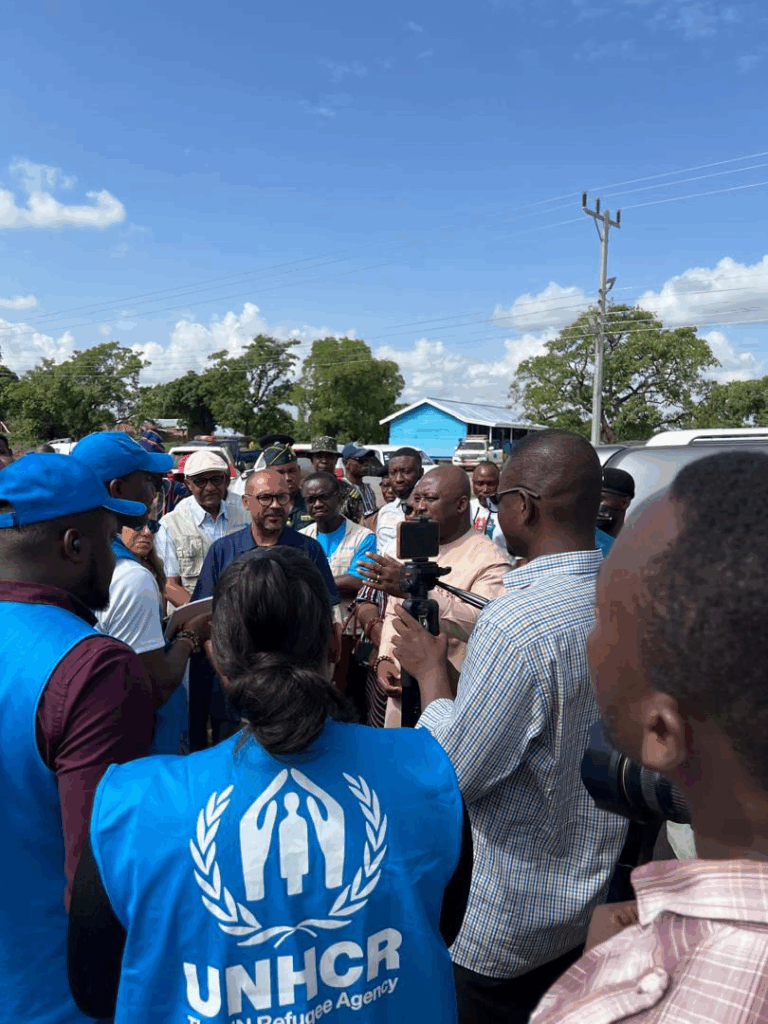
Through the UNITE project and other initiatives, the EU is supporting forcibly displaced people and the communities generously hosting them as they start their lives afresh. The EU will continue to play its role on the global stage and in Ghana to uphold refugees' rights, in line with EU and international law." said Irchad Razaaly, EU Ambassador to Ghana.
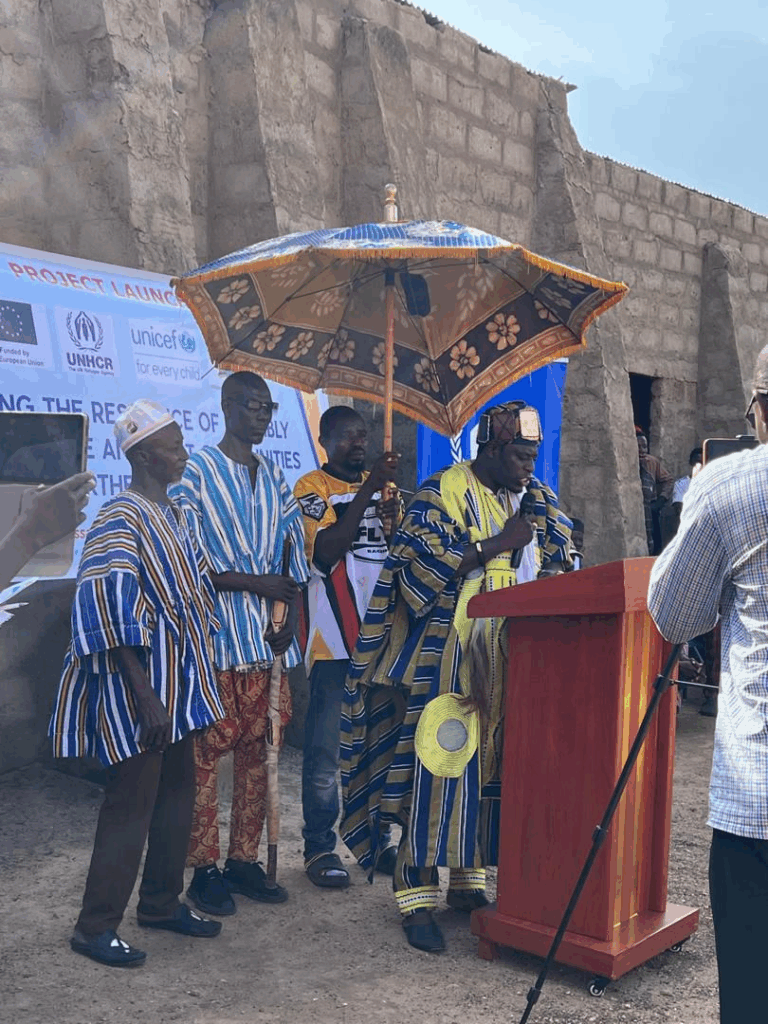
“This initiative, profoundly supported by the European Union, is about restoring dignity, strengthening community resilience and building a future where every child and family has equitable access to the services and opportunities they deserve in a dynamic and changing environment,” stated Osama Makkawi Khoghali, UNICEF Ghana Representative.
Latest Stories
-
One of six inmates who escaped from Konongo police cells rearrested
4 minutes -
Sam George cautions ministers against reading unverified AI-generated speeches
8 minutes -
Ghanaian entrepreneur Mary Nyamekye Asamoah wins Africa Travel 100 award
11 minutes -
Obuasi SHTS abuse: Sanction all officials who failed to act – Moving Masculinity
16 minutes -
Lucy Agyepong honoured for excellence in engineering education at maiden GAAS Women’s Awards
19 minutes -
Harriet Afia Konadu Asiedu
26 minutes -
AFCON 2027: Sports Minister ‘convinced’ Black Stars will qualify despite losing opening two games
27 minutes -
CUTS welcomes VAT collection on cross-border digital services, urges fair treatment of Distance Learning students on overseas programmes
31 minutes -
Leave the Chiefs and fix the Galamsey Problem: Dr Solomon Owusu Advises President Mahama
34 minutes -
Pay attention to teachers and give them what is due – Ho District GNAT tells government
37 minutes -
Authorities knew of abuse allegations against Obuasi headmaster months before suspension – JoyNews investigation
42 minutes -
US teenager appears in court over alleged Hindu temple shooting plot
44 minutes -
Academic City donates paediatric rehabilitation staircase to Ga East Hospital
48 minutes -
Services drive 7.4% expansion in Ghana’s economic activity
60 minutes -
‘I don’t make music for awards, I make it to connect people’ – Rocky Dawuni
1 hour