

Audio By Carbonatix
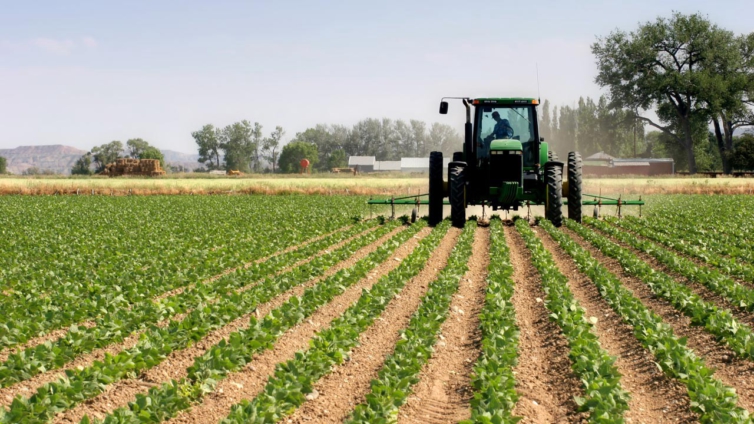
Farmers in five regions in Northern Ghana have appealed to government and other stakeholders to design more effective interventions to enable them to improve on crop yields.
The farmers further called for ban on tomato importation and revisit initial plans to revamp tomato factories in the country, subsidise cost of farm inputs and extend the Planting for food and jobs programme to cover all year round.
The farmers' needs were contained in the Agro Policy Performance Barometer Report (APPBR 2019) of the Ghana Trade and Livelihood Coalition (GTLC), and was presented at a policy dialogue on gender responsiveness to the planting for food and job programme in Tamale.
It brought together stakeholders in Agriculture from the Northern, Savannah, North East, Upper East and Upper West Regions. The farmers further called for direct government consultancy, for proper implementation of Agriculture policies, including; investments in the Agriculture sector and the early release of subsidised fertilizers.
Mr Ibrahim Akalbila, Coordinator of Ghana Trade and Livelihood Coalition (GTLC), said the report showed that women farmers had little access to information about government's Agricultural policies as well as the use of improved seeds and subsidised fertilizers.
He reiterated that, there was significant disparities between women and men in accessing information on improved seeds, and it was important to advocate gender responsiveness in the Planting for Food and Jobs policy.
Mr Akalbila said there was improvement in the delivery of fertilizer to farmers, however, there was the need to do more to improve on the PFJ system to make it more impactful.Hajia Hawa Musah, the Northern Regional Director of Agriculture, advocated collaboration from Non-Governmental Organisations, Civic Society Organisations and the media in changing the attitude of peasant farmers to appreciate the effects of climate change and the need for them to consider including; practices that would improve on the environment as well as sensitise them to adopt strategies to avoid the practice of defaulting in loan payments.
The GTLC since 2012 has conducted surveys annually on the implementation of Agriculture policies in Ghana, assessing their implementation and effects on beneficiaries.
Latest Stories
-
Sahara Group urges journalists to look beyond fuel prices in energy reporting
4 minutes -
Today’s front pages: Friday, October 16, 2026
8 minutes -
Ashanti Region: ECG urges customer cooperation with franchise officers
13 minutes -
Ghana’s research fund faces a test of turning funding promises into scientific breakthroughs
25 minutes -
Dîner en Blanc Accra returns on December 28 for second edition
28 minutes -
20% digital tax: Government hiding behind technicalities to cheat Ghanaians – Dr Boako
1 hour -
David Selassie Anthony declares bid for NDC Deputy National Organiser
2 hours -
Amin Adam proposes 13 measures to strengthen Ghana’s debt transparency and market confidence
2 hours -
Mahama announces $2bn annual investment to accelerate industrialisation
2 hours -
Amin Adam urges monthly disclosure of Sinking Fund as Ghana prepares for DDEP repayments
3 hours -
Stronger banks will fuel business growth and jobs – ADB MD
3 hours -
Galamsey: ‘Rivers that fed our grandparents now run the colour of chocolate milk’ – Sam Jonah
3 hours -
We have been scammed by NDC, government is only doing PR – Abanga Fuseini
3 hours -
Republic Bank–JoyNews Habitat Fair opens in Ho today
3 hours -
Dr Boako challenges government over new digital tax
3 hours