

Audio By Carbonatix
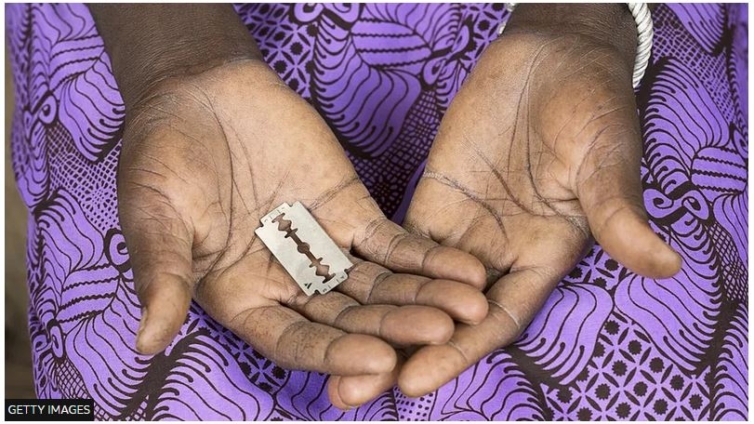
Gambia's parliament on Monday rejected a bill that would have ended a ban on female genital mutilation, after lawmakers voted down all the clauses in the proposed law.
"The ban on FGM is still firmly maintained in the Gambia," the Ministry of Information said in a statement after the vote. "Government stands firm in its resolve to eliminate this harmful practice."
The bill to overturn the ban sparked a public debate about female genital mutilation for the first time in the West African nation that divided villages, families and parliament.
The lawmaker who took the proposal to parliament, Almaneh Gibba, said he was upholding cultural and religious prerogatives in the Muslim-majority country where FGM is widespread and deeply rooted. Many Islamic scholars dispute his arguments.
The World Health Organization (WHO) says FGM has no health benefits and can lead to excessive bleeding, shock, psychological problems and even death.
WHO chief Tedros Adhanom Ghebreyesus commended parliament's decision in a joint statement with high-level United Nations representatives.
"The fragility of progress to end FGM cannot be overstated. Assaults on women's and girls' rights in countries around the globe have meant that hard-won gains are in danger of being lost," the statement said.
The bill had passed a second reading in March with only five out of 53 lawmakers voting against it, raising concerns among rights advocates that Gambia would become the first to reverse a ban on the practice.
But after holding weeks of public hearings, parliament's health and gender affairs committees presented a joint report on July 8 recommending that Gambia maintain the ban.
Lawmakers adopted the report by a vote of 35 to 17 with two abstentions. Political analysts said lawmakers may have been swayed by testimonies from doctors and survivors about FGM's harmful consequences.
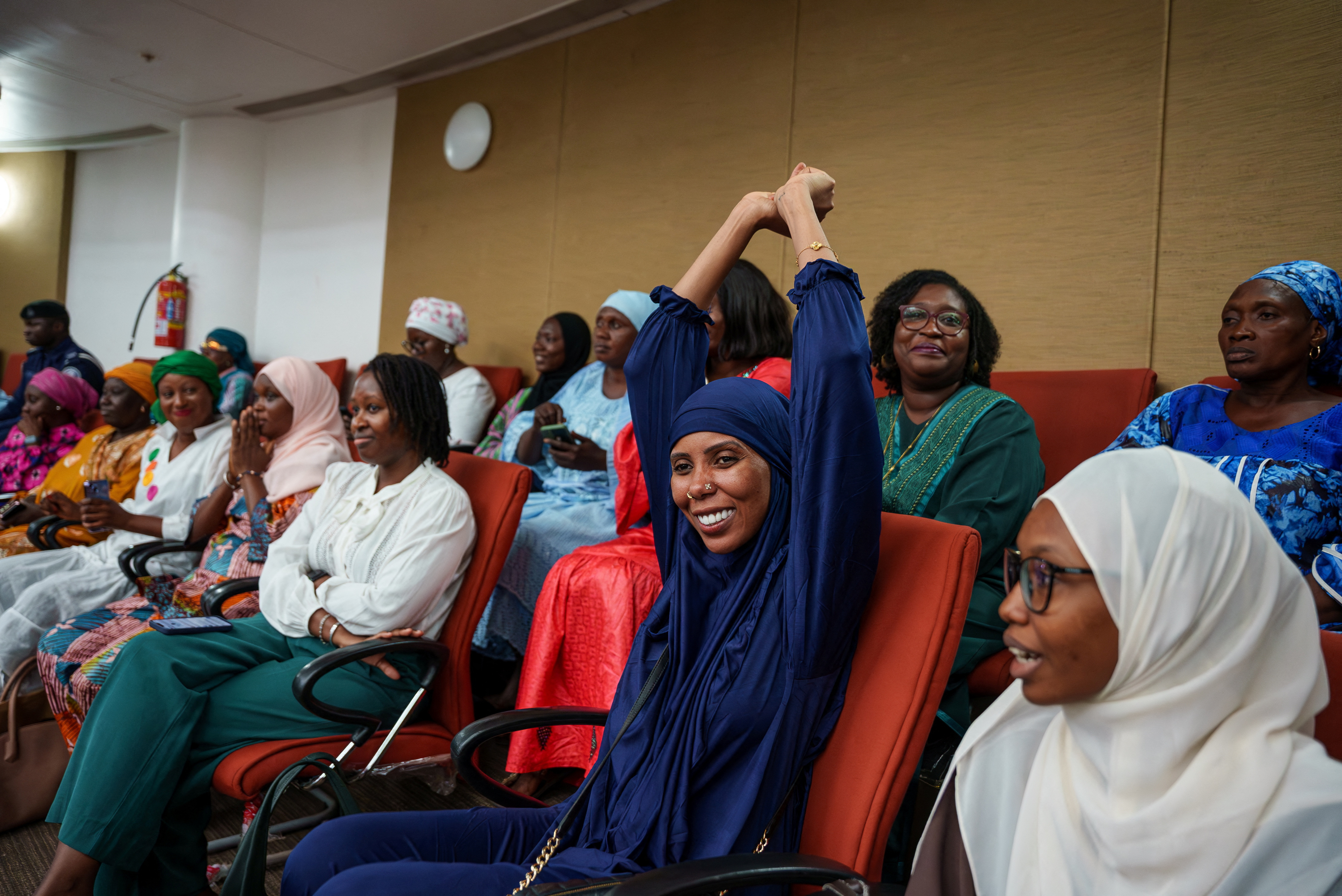
Parliament voted again on Monday on each of the bill's clauses ahead of a third and final reading scheduled for July 24.
Around 30 MPs voted against each clause, prompting Parliament Speaker Fabakary Tombong Jatta to stop the bill moving forward to the final reading.
"The (National) Assembly cannot be engaged in such a futile exercise as to allow the bill to proceed to a third reading," Jatta said after the votes. "The bill is rejected and the legislative process exhausted."
Gibba said he could not immediately comment because the parliamentary session was ongoing.
Anti-FGM activist Fatou Baldeh, who was cut when she was 8, said she was relieved, but also disappointed the bill had been considered in the first place.
"I am not celebrating for the fact that our women and girls' lives were put on the line. That made me sad," Baldeh said.
Gambian legal scholar Satang Nabaneh said the bill's rejection showed Gambia's commitment to international and human rights obligations.
"We are hoping that this is a clear call for implementation (of anti-FGM laws)," she added.
Anti-FGM campaigners say the 2015 law banning FGM has been poorly enforced, which the government denies.
The first and only conviction so far, of three women found guilty of cutting eight infant girls, occurred in 2023, prompting Gibba to introduce the repeal bill.
Latest Stories
-
Nhyiramma Foundation calls for greater support for widows and single mothers
53 seconds -
Ghana must stop turning rivers into gutters through encroachment – Kwadwo Poku
3 minutes -
‘We’ll never compromise on quality’ – Agbodza tells Accra-Kumasi bypass supervisors
8 minutes -
Roads Minister urges motorists to drive cautiously on Accra-Kumasi Highway
9 minutes -
Hohoe MCE appeals for more relief supplies as flooding displaces residents
10 minutes -
‘Free Salomey now!’ – Women march to EOCO over Salomey Awitey Baffoe’s continued detention
12 minutes -
GES appeals to teachers to rescind strike and return to class as efforts to resolve concerns intensify
12 minutes -
Effiduase hospital begins new maternity ward construction amid maternal health concerns
13 minutes -
World Vision calls for stronger prevention of child malnutrition across West Africa
14 minutes -
Ghana and Philippines agree to boost trade, investment and labour mobility
15 minutes -
Ziavi Chieftaincy dispute: E.P. Church Moderator appeals for peace
16 minutes -
Roads Minister rejects claims government has abandoned Accra-Kumasi by-pass project
18 minutes -
Rainfall in Togo driving rising floodwaters in Hohoe – MP
19 minutes -
Mrs Victoria Keren Lamiorkor Adomakoh
22 minutes -
PUWU postpones protest against private sector participation in ECG
22 minutes