

Audio By Carbonatix
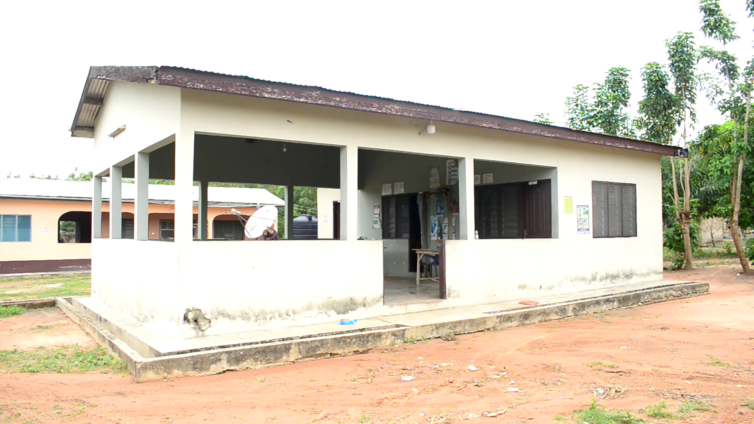
The chiefs and people of the Gbefi Traditional Area in the Kpando District of the Volta Region have appealed for the Community Health Planning Service facility, which serves the community, to be equipped with a laboratory.
They believe this would enhance the diagnosis of conditions to provide treatment, which would generally contribute to improved healthcare delivery.
Following clarion calls from the people of Gbefi for better health services, the government constructed a CHPS Compound attached to a maternity unit in the area.
Though this had improved access to healthcare in the predominant farming community, the residents believe equipping the facility with a lab would enhance diagnosis and treatment.
A midwife at the CHPS Compound, Genevieve Akorli, explained that they had to refer clients, especially pregnant women, to run tests and scans in Kpando during antenatal.
She said the development is robbing them of clients, adding that “when they go, they don't want to come back because they feel they will get all the essential services there, so we end up losing them.”
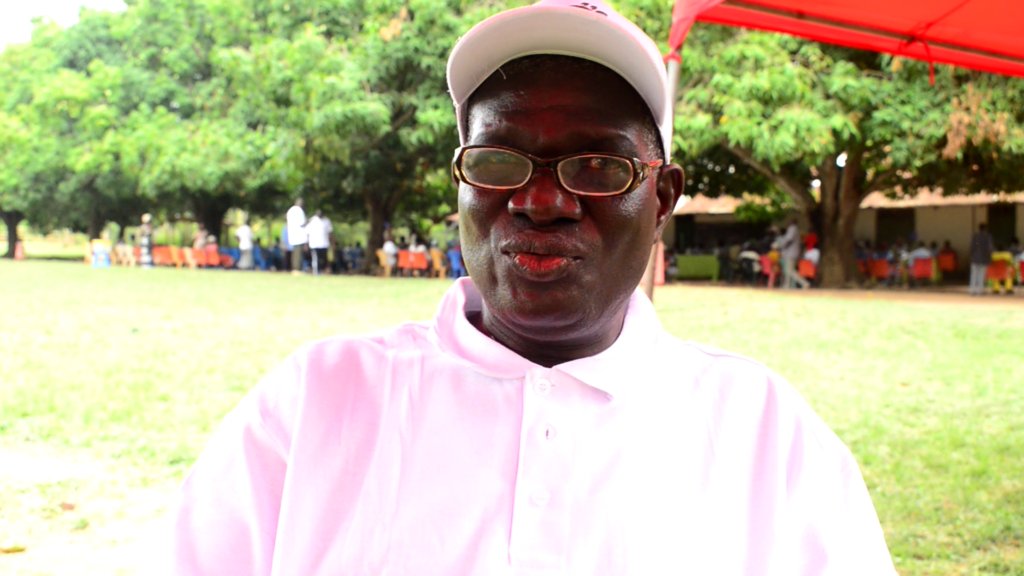
The Paramount of Gbefi, Togbega Akim VIII, corroborated her claims, adding that a lack of a lab technician and doctor limits the healthcare services provided at the CHPS Compound.
He said clients in labour had to be transferred to bigger facilities when experiencing challenges, and this could be solved if the right health professionals were deployed to the area.
He stressed that providing a lab and a doctor would improve healthcare delivery and safeguard the lives of his subjects.
“There is no lab or doctor at the CHPS Compound to handle serious cases. So I am hoping the government will come and construct a lab for us and give us a lab technician. This will make us stop travelling to Kpando to access healthcare,” he said.
He further lauded the organisers for a health screening exercise to check for malaria, typhoid, and hypertension, among others.
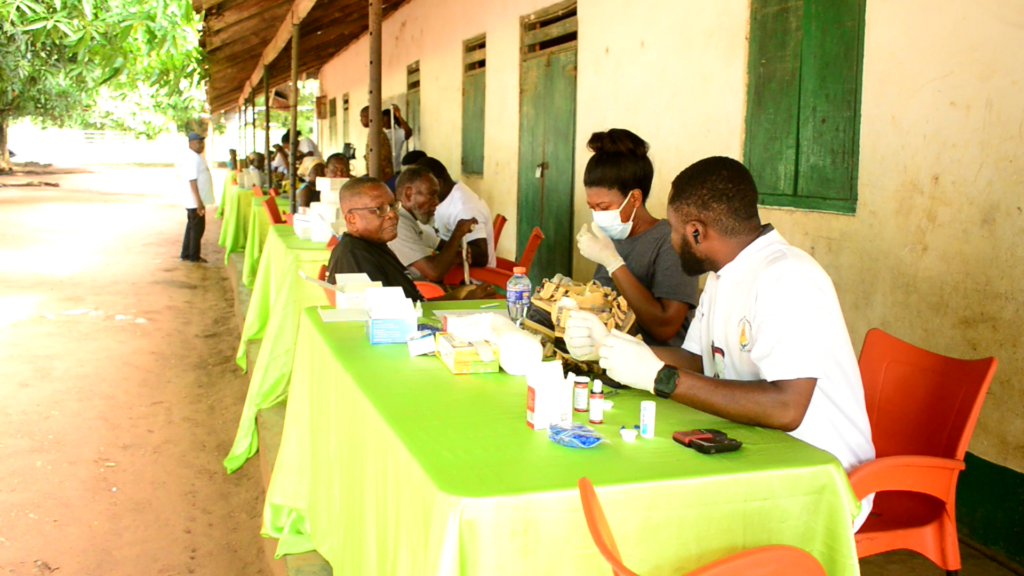
The PRO for the Gbefi Paramount Chief, Richard Katapu, said the initiative also aimed at enhancing the knowledge of residents on communicable and non-communicable diseases, general well-being and disease prevention.
“We educated them on several diseases, especially malaria, because that is the most prevalent disease in the area,” he said.
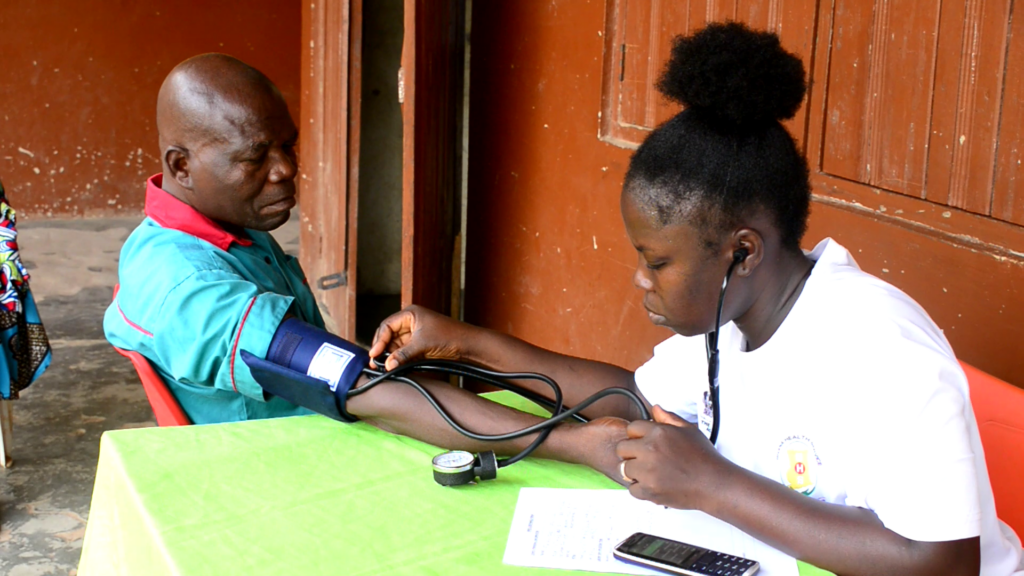
He added that patients who are diagnosed with cases that could not be treated during the screening were referred to seek care in well-equipped facilities.
“The doctors are even doing some referrals so that people who have identified cases that can not be fully treated here are referred to the bigger health facilities for them to be taken care of,” he said.
Latest Stories
-
Mahama reaffirms commitment to private investment and industrial growth
2 minutes -
‘We have been used and dumped’ – NDC’s James Agbey warns over grassroots neglect
11 minutes -
Ghana defender Marvin Senaya begins training ahead of comeback
14 minutes -
Joyce Bawah Mogtari urges women leaders to build strong support networks
31 minutes -
Bawumia engages GUTA over import duties, VAT and rising business costs
31 minutes -
Fuel prices begin to fall as Star Oil cuts petrol to GH¢16.45
33 minutes -
GoldBod supplies banks with US$282m in weekly forex sales
34 minutes -
Joyce Bawah Mogtari says Obaasima Conference should help women connect and learn
35 minutes -
Ghana’s Crude Oil Production Rebounds by 30% After Five Years of Decline
55 minutes -
Nzema East launches Responsible Cooperative Mining Programme to tackle environmental destruction
1 hour -
Ghana included in WHO lead-testing programme as questions remain over local exposure risks
1 hour -
2026 Amputee World Cup: We will win the trophy – Samson Deen
1 hour -
Controller and Accountant-General pays promotion arrears to 56,003 GES teachers ahead of deadline
1 hour -
2026 Amputee World Cup: We want to make the continent proud – Black Challenge coach
1 hour -
International Day of the Girl: Central Region Education Directorate calls for action to tackle child marriage, teenage pregnancy
2 hours