

Audio By Carbonatix
Social media, once hailed as a tool for empowerment and connection, is becoming a hostile environment for women and girls. That’s according to UN Women, which says 45% of female users on platforms like Facebook and Twitter have experienced gender-based violence (GBV), a statistic that underscores the urgent need for intervention.
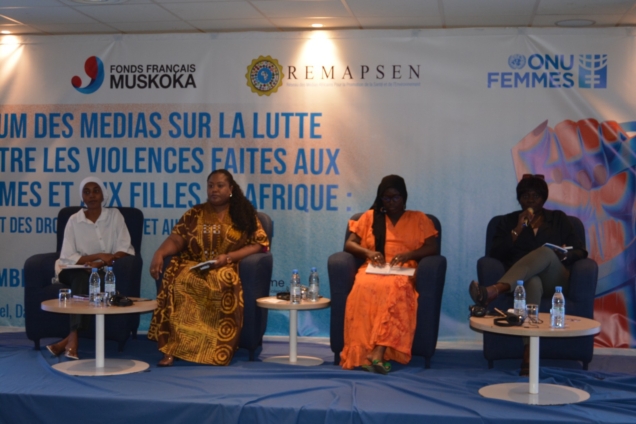
This issue was at the heart of a Media Forum on Combating Violence Against Women and Girls, held in Dakar, Senegal, as part of the 16 Days of Activism Against Gender-Based Violence. The forum was organized by the African Media Network for the Promotion of Health and Environment (REMAPSEN) with technical and financial support from UN Women’s West and Central Africa Regional Office and Fonds Français Muskoka.
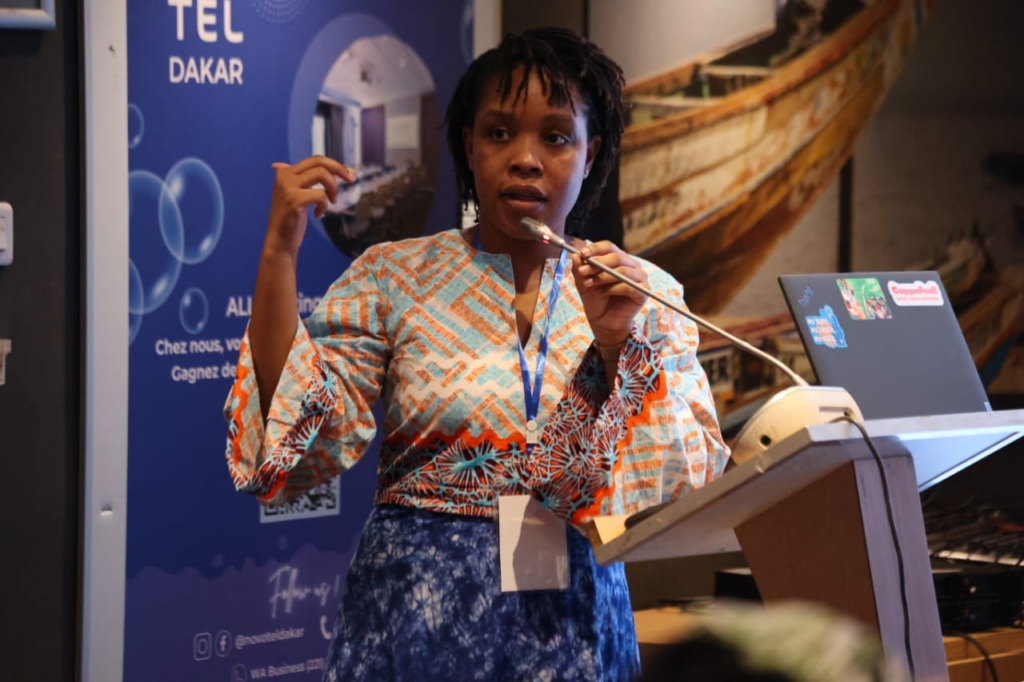
In her presentations on initiatives on ending violence against Women and Girls in Africa, Regional Programme Coordinator of UN Women, West and Central Africa Regional Office, Angela Muruli noted three key ways the UN does that. These include the Regional Mechanisms and Normative Process, Driving Women’s Movement and Partnership with Male Allies and Custodians of Culture to transform social norms.
The increasing prevalence of online abuse, such as cyberstalking, hate speech, and threats of violence, which have driven many women to self-censor or withdraw from digital platforms entirely prominently featured in all discourse. Madam Angela of the UN Women intimated that these forms of harassment not only infringe on women's rights but also reinforce systemic gender inequalities, hindering women’s participation in public and professional life.

The global context reveals similar trends, with studies indicating that online GBV is a widespread issue. For instance, a report by Plan International found that 58% of women and girls have faced online harassment, often forcing them to deactivate their accounts. Amnesty International’s research further shows that one in five women in the United States has experienced severe forms of online abuse. In Africa, the challenges are exacerbated by limited digital literacy, inadequate legal protections, and insufficient enforcement mechanisms to hold perpetrators accountable.
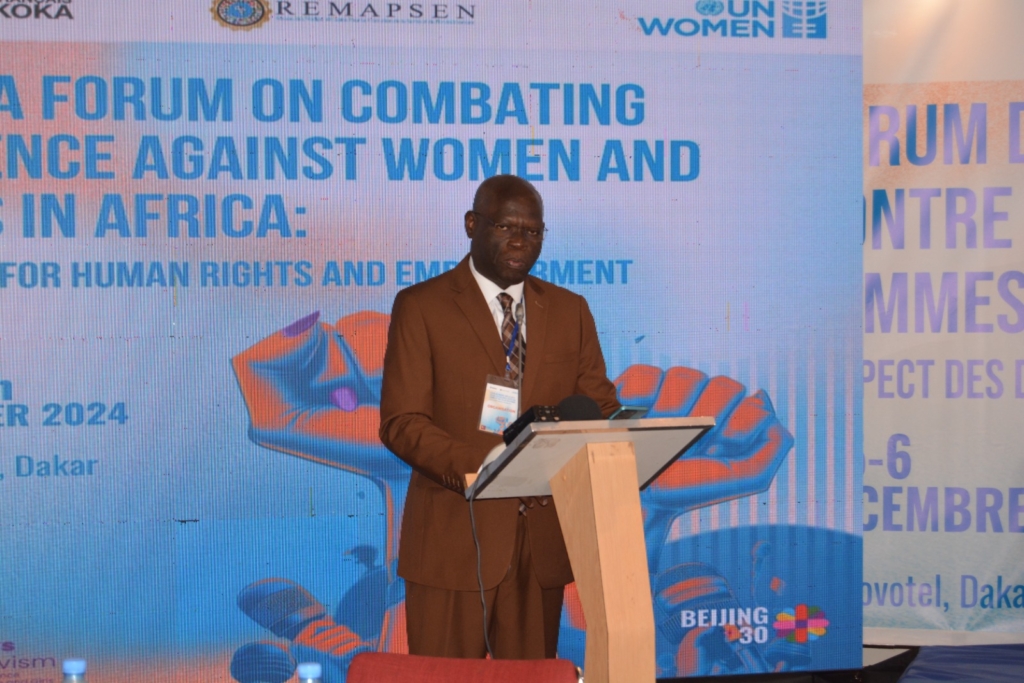
At the forum, Mr. Bamba Youssouf, President of REMAPSEN, underscored the transformative potential of the media in addressing GBV. He noted that journalists have the power to educate, raise awareness, and influence policies that create safer spaces for women and girls, both online and offline. Youssouf’s remarks echoed a broader call for media professionals to adopt survivor-centered approaches in their reporting, ensuring sensitivity while advocating for systemic change.
Other speakers also indicated the need for stronger legislative frameworks to criminalise online GBV, coupled with greater accountability from tech companies. Platforms like Facebook and Twitter were urged to enforce stricter policies against abusive content and implement robust reporting mechanisms. The forum also made a case for the importance of digital literacy programs to empower women to navigate online spaces safely and the establishment of support systems, such as counseling services, to address the psychological impacts of online abuse.
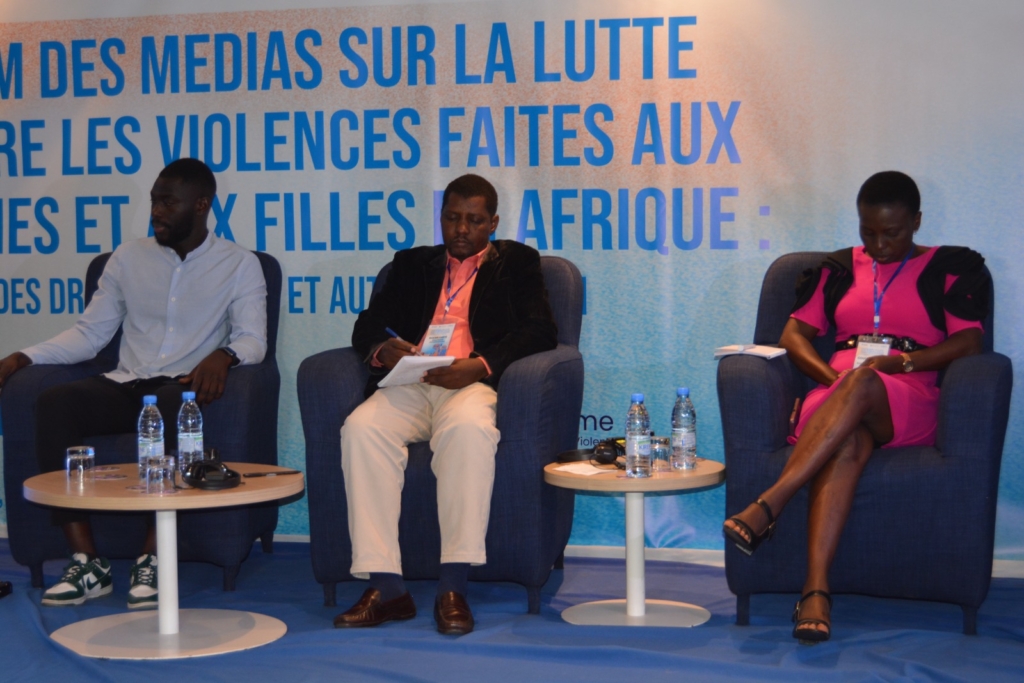
The event celebrated the 16 Days of Activism as a critical moment to galvanize action against GBV in all its forms. It served as a rallying cry for governments, civil society, and the private sector to work collaboratively toward a world where women and girls can live free from violence. As the forum concluded, participants committed to amplifying their advocacy efforts, using the media to promote awareness and drive meaningful change across Africa.
This forum signals a decisive step toward tackling the pervasive issue of online GBV, with 70 media professionals poised to lead the charge in creating safer digital spaces for women and fostering a culture of accountability and respect.
Latest Stories
-
PKO trio eye victories at Odwira Festival
49 minutes -
346 Ghana Navy recruits pass out after 26 weeks of intensive training
55 minutes -
Newsfile to discuss EOCO-MP arrest, drug trafficking, speech arrests and $235m water debt
1 hour -
JoyNews gets results as listeners raise GH¢40,000 to help 17-year-old student with cerebral palsy attend SHS
2 hours -
Vice President calls for stronger local pharmaceutical production to reduce medicine imports
2 hours -
The brewing tension at KNUST; Beware the Ides of October….
2 hours -
Health Ministry moves to integrate traditional medicine into mainstream healthcare
3 hours -
550 pupils in Kintampo South get educational lifeline as ‘Seeds of Hope’ reaches farming communities
3 hours -
Opoku Mensah urges Christian Council, House of Chiefs to speak up on democratic freedoms
3 hours -
Teacher unions’ strike: Minority demands immediate payment of teacher arrears, 20% deprived area allowance
4 hours -
The Accra-Kumasi Expressway: Building it right
4 hours -
Beyond gold exports: Building value and economic resilience from Ghana’s gold
4 hours -
2027 AFCONQ: Ghana under pressure as Gambia beat Somalia 2-1
4 hours -
Eastern NPP Women’s Organiser calls on AG, Police to secure bail for Salomey Baffoe
4 hours -
Poverty, illiteracy driving acceptance of vote-buying among women – Damongo Queen Mother
5 hours