

Audio By Carbonatix
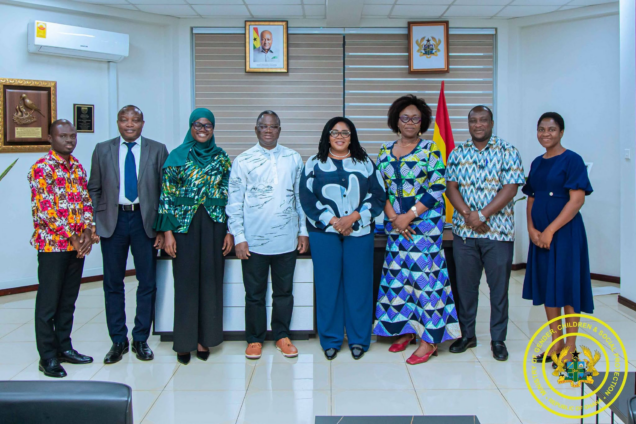
The Minister for Gender, Children and Social Protection, Dr. Agnes Naa Momo Lartey, has engaged the Executive Director of the Sanneh Institute, Rev. Prof. John Azumah, and members of his delegation on concerns surrounding witchcraft accusations and the protection of vulnerable women in Ghana.
According to a post shared on Facebook by the Ministry, the engagement forms part of renewed efforts to address the persistent practice of accusing individuals, particularly women, of witchcraft and the devastating social consequences that often follow such allegations.
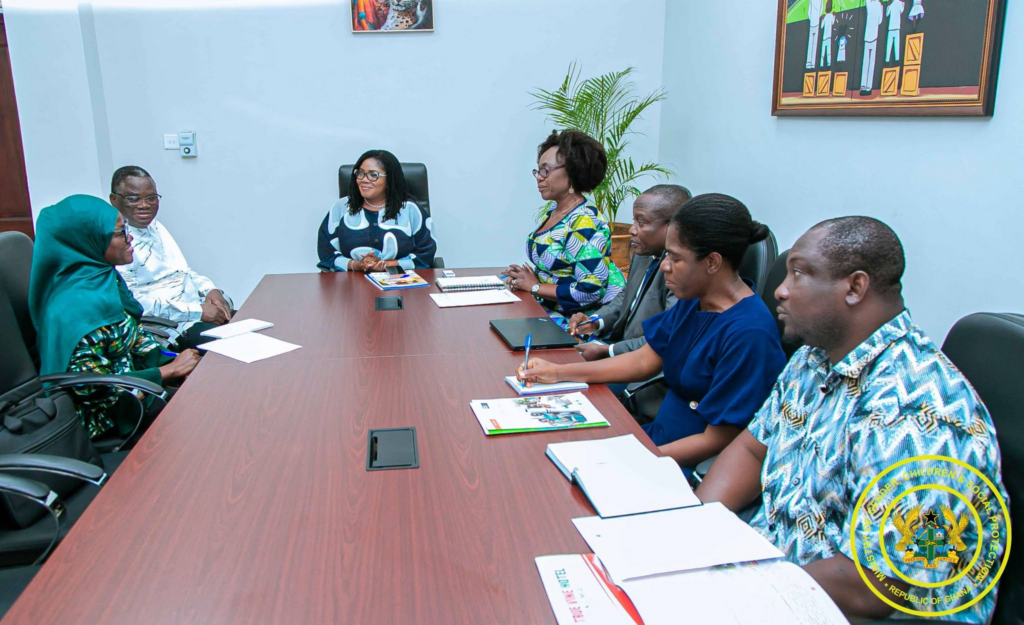
Discussions centred on ongoing advocacy to end witchcraft accusations, improve the living conditions and protection of women affected by such accusations, and strengthen efforts towards the passage of the Criminal Offences (Amendment) Bill.
The proposed legislation seeks to criminalise witchcraft accusations and related practices, which advocates say have contributed to the displacement, stigmatisation and abuse of vulnerable people in communities across the country.
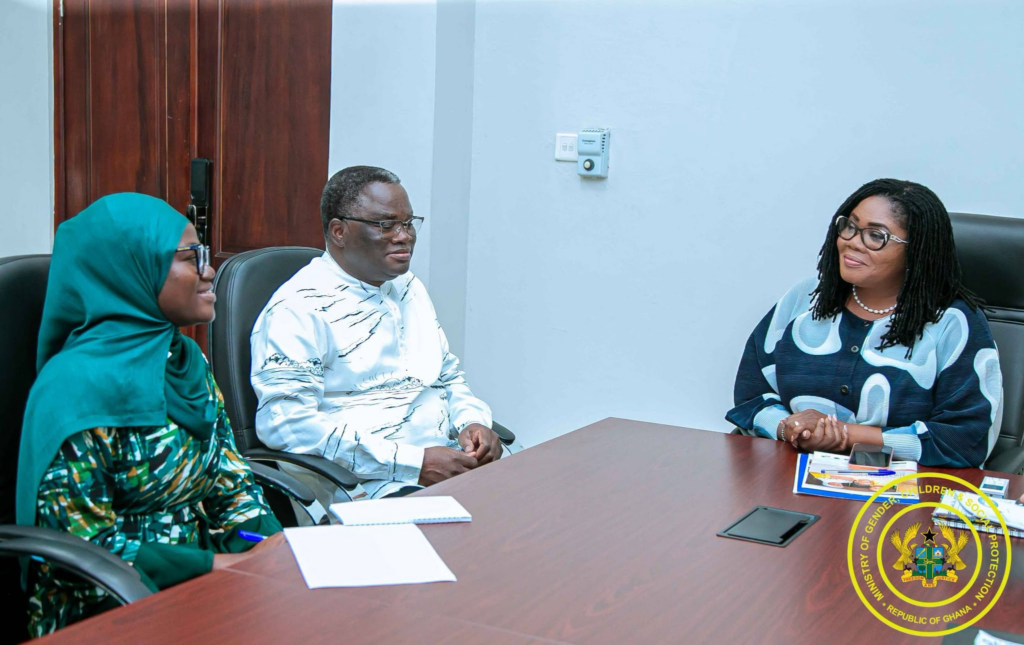
Rev. Prof. Azumah highlighted the Sanneh Institute's extensive research and engagement with traditional leaders, community members and other stakeholders on the issue. He stressed the need for renewed and coordinated efforts to secure the passage and subsequent assent of the Bill.
He said the Institute, in partnership with other organisations, remained committed to supporting advocacy, research and public education aimed at changing attitudes and addressing misconceptions surrounding witchcraft accusations.
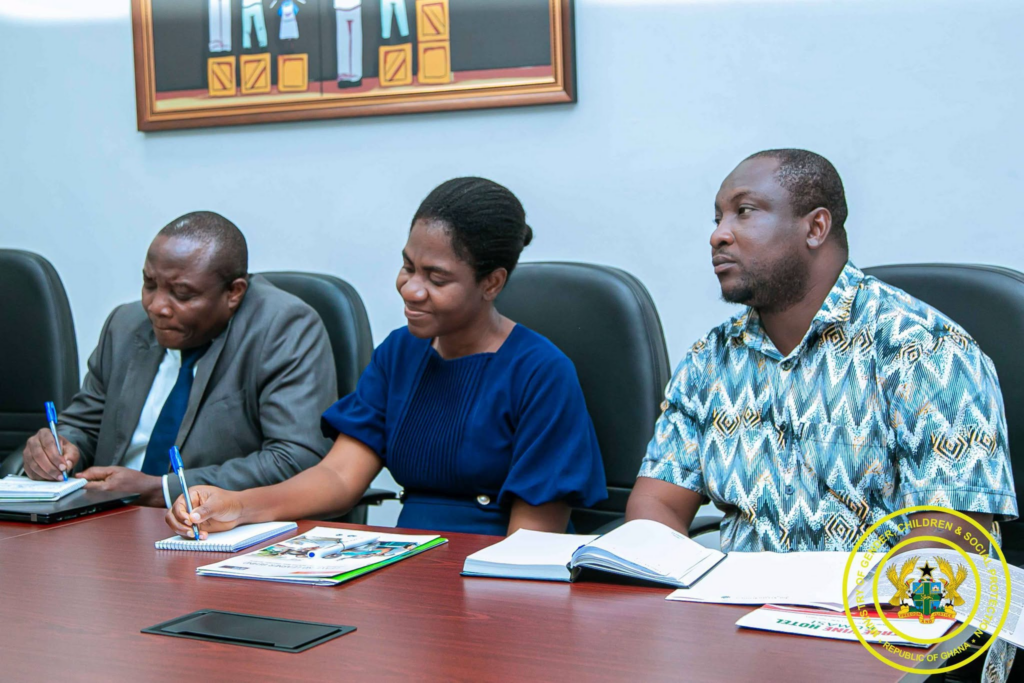
The Sanneh Institute delegation also raised concerns about the continued existence of settlements commonly referred to as "witch camps", where women accused of witchcraft have, in many cases, been forced to seek refuge after being rejected or displaced by their communities.
The plight of these women remains a major concern, particularly given the social isolation, economic hardship and vulnerability they may experience after accusations sever their ties with their families and communities.
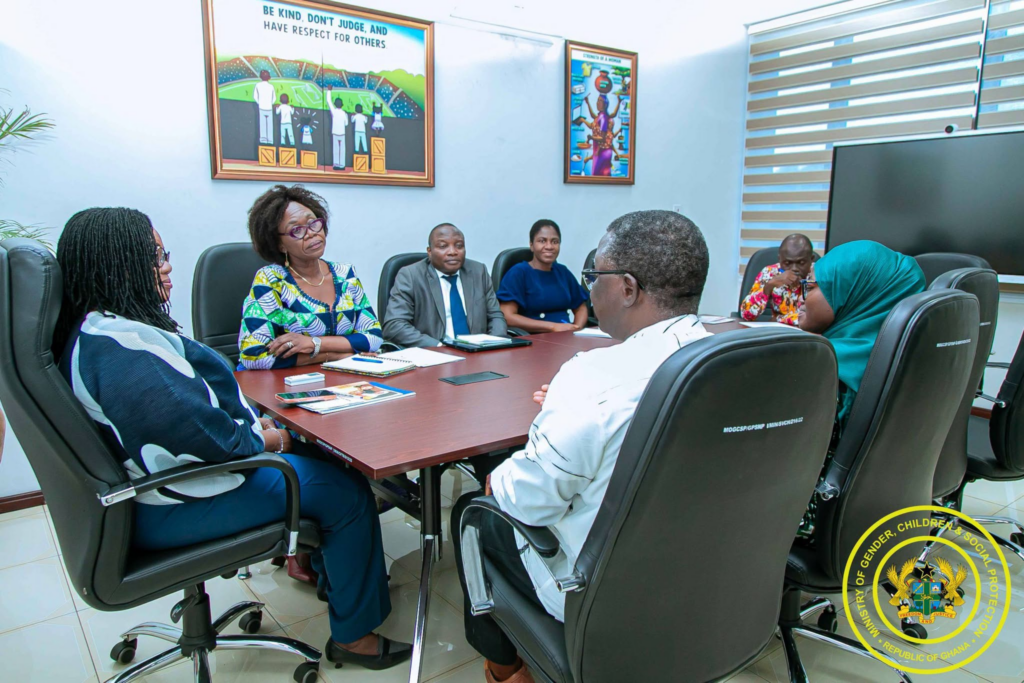
The engagement therefore highlighted the need for a comprehensive approach that goes beyond legislation to address the underlying social, cultural and economic factors that allow witchcraft accusations to persist.
Dr. Lartey reaffirmed the Ministry's commitment to protecting the rights, dignity and well-being of vulnerable women and other persons affected by harmful traditional practices.

She acknowledged the importance of sustained collaboration among government institutions, civil society organisations, faith-based groups, traditional authorities and communities in tackling the root causes of witchcraft accusations and ensuring that affected persons receive the necessary protection and support.
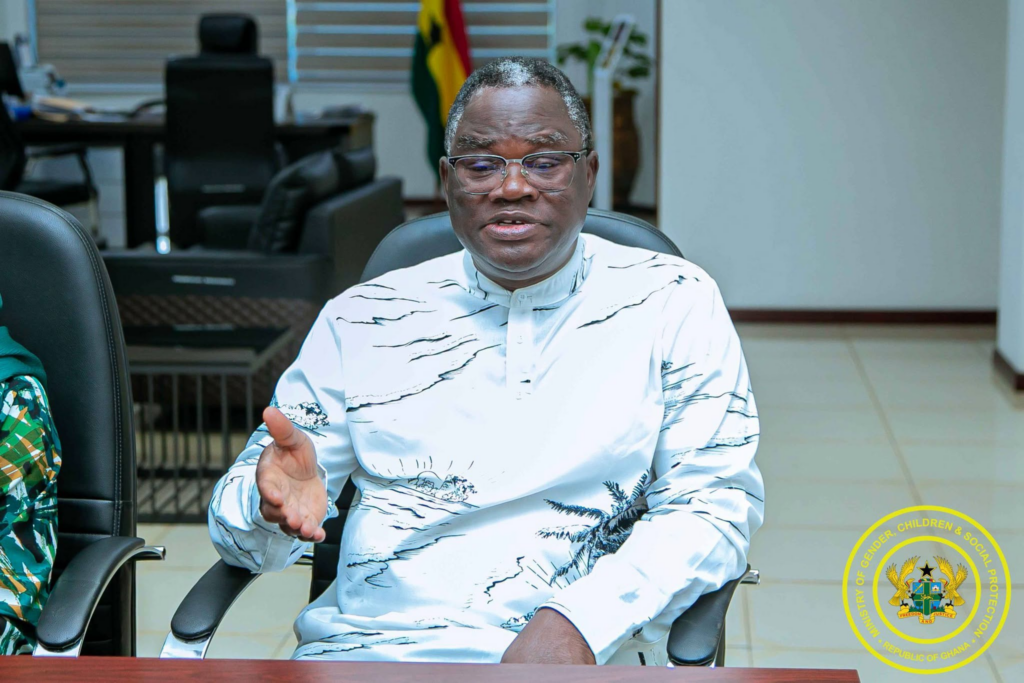
The Minister emphasised that protecting women affected by witchcraft accusations must remain a shared responsibility, requiring sustained engagement among government and stakeholders to confront the practice and its far-reaching consequences.
Latest Stories
-
GNAT, NAGRAT, PTTA-GH tell teachers in Volta and Oti to stay out of classrooms
2 minutes -
Salaga North MP calls for immediate implementation of NADMO fund
9 minutes -
La Dade-Kotopon MP protests Pleasure Beach demolition, says authorities were not informed
9 minutes -
Diplomatic Seeds and Cultural Roots: Russia’s Growing Soft Power Footprint in West Africa
12 minutes -
Anthony Karbo dismisses claims of Bawumia-backed candidates in NPP executive elections
12 minutes -
Kurt must go
17 minutes -
St Augustine’s, Mfantsipim, Prempeh and Corpus Christi battle for 2026 Investment Quiz crown
19 minutes -
Nepal avalanche kills at least 15 expedition workers
19 minutes -
Photos: Mahama tours Mercy Ships hospital, commends life-changing medical mission
21 minutes -
‘Government has no knowledge’ – La MP questions Labadi Beach demolition
24 minutes -
President Mahama tours flood-hit Hohoe communities, presents relief items
25 minutes -
Baffour Awuah should be granted bail as EOCO probe continues – Boakye Agyarko
29 minutes -
I wasn’t going to let others die, says Indian pilot who opened cockpit door during attack
31 minutes -
GNFS removes large bee swarm from metal container at Suhum-Okorase
32 minutes -
Mahama reaffirms healthcare commitment as Global Mercy begins 10-month Ghana mission
34 minutes