

Audio By Carbonatix
Available data on infant nutrition shows decreasing breastfeeding rates, inadequate meal frequency and diet diversity, thereby, increasing wasting among children below five years in the country.
The nation’s early initiation of breastfeeding hovers around 50 percent while exclusive breastfeeding at six months stands around 43 percent, Dr Paulina Appiah, the Bono East Regional Deputy Director in-charge of Public Health indicated.
Dr Appiah who revealed the figures during the regional launch of the ‘Start Right-Feed’ campaign held at Kintampo noted the data indicated the stark reality of breastfeeding practices in the country.
Mrs Rebecca Akufo-Addo, the First Lady, launched the national campaign which targets children from birth to two years in August 2020.
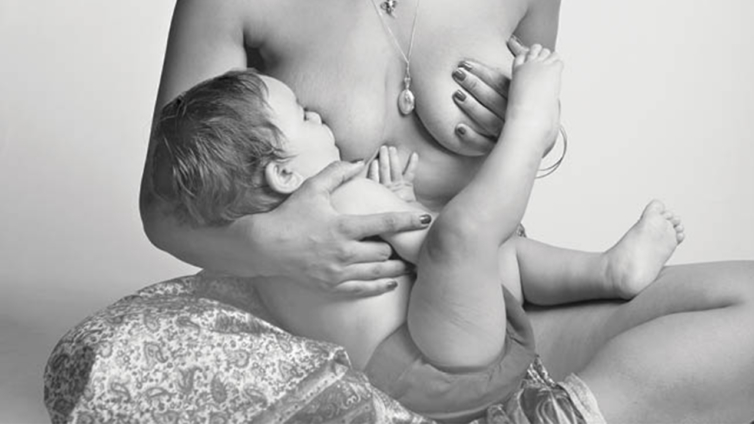
The campaign aimed at promoting and raising awareness of the benefits of exclusive breastfeeding and the provision of foods with the right balance of nutrients to make the targeted children more productive.
Exclusive breastfeeding, Dr Appiah explained, helped protect infants from common childhood illnesses such as diarrhoea and pneumonia, which she said were the two primary causes of child mortality in the country.
“It is also beneficial for the mother as it is associated with reduced risks of breast and ovarian cancer, type II diabetes, and postpartum depression,” she said.
Even after complementary foods have been introduced, breastfeeding remains a critical source of nutrients for the young infant and child.
It provides about one half of an infant’s energy needs up to the age of one year, and up to one third during the second year of life.
But, Dr Appiah regretted that complementary feeding was often fraught with problems of foods being too diluted, saying only 12 percent of children below two years were consuming the minimal acceptable diets in the country.
“Household food and feeding practices influence the quality of complementary feeding, and mothers and families need support to practice good complementary feeding,” she said.
She emphasized that a concerted approach was required to make the campaign achieve the desired outcome and called on traditional authorities, media, assembly members, civil society actors and organizations to play their part as well.
Latest Stories
-
Banks NPL ratio of 16.1% is still too high – S&P
19 minutes -
Guidelines, regulations of cryptocurrency in Ghana fall short of comprehensive oversight – IMF
53 minutes -
COCOBOD’S GH¢16.3bn SPV: Real progress toward a sustainable cocoa sector
1 hour -
Ghana lose Morocco friendly as Atlas Lions turn to Mali
3 hours -
2026/2027 GPL: Kelvin Nkrumah strike sends Medeama top of league table
3 hours -
Punish Manchester City this season, say other club chiefs
3 hours -
Emmanuel City crowned champions of maiden Global Game Scouting Tournament
3 hours -
MPship should not shield anyone from arrest – Felix Ofosu-Kwakye
4 hours -
Thomas Partey loses father Jacob Teye Partey
4 hours -
Gov’t rejects Baffour Awuah ‘kidnap’ claims, says EOCO officer was lawfully executing arrest
4 hours -
Martin Kpebu explains when EOCO can arrest Manhyia South MP after securing court warrant
4 hours -
EOCO’s reasons for seeking Manhyia South MP arrest warrant not justified – Kpebu
4 hours -
MTN Ghana warns SMEs against sharing PINs amid digital fraud risks
4 hours -
Yendi nursing students warn restricted access to skills lab could affect their training
4 hours -
Minority awaits formal notice of arrest warrant for Manhyia South MP – Annoh-Dompreh
4 hours