

Audio By Carbonatix
A Senior Lecturer at the Department of Economics, University of Ghana, Legon, has called on Ghanaians to remain calm and desist from speculating about the Cedi currency depreciation.
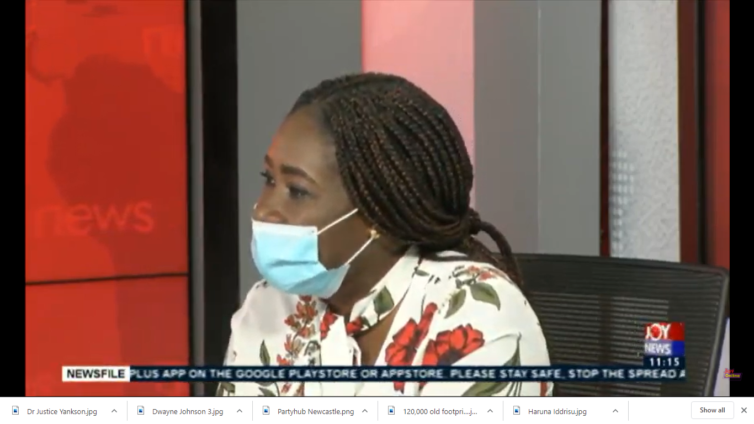
Speaking on Newsfile, on Saturday, Dr Priscilla Twumasi Baffour explained that speculation activity about the cedi depreciation or dollar growth will further affect the currency and have adverse effects on importers who rely on the dollar to trade.
She told the host Emefa Apawu that “to be honest, the dollar in recent times has gained a lot of value globally, so you see that all other currencies are also struggling. But our situation has become precarious with the peculiar circumstances that we find ourselves in.”
“We should stay calm and also to a large extent halt the speculative activity on the currency. This is because what speculators are doing is, buying and hoarding and waiting to take advantage of the higher value (dollar) and then change it. So that also deprives importers who are really in need of the currency to bring in imported goods,” she added.
This comes after the cedi was cited by a Bloomberg report as the worst-performing against the dollar worldwide.
The Ghana cedi also lost further grounds Friday morning to trade at ¢14.70 to the dollar, quotations from the forex bureaus indicate.
The free fall of the local currency is expected to pose a difficulty to Ghanaians with a fast depreciation being seen.
Meanwhile, Dr Twumasi Baffour has urged importers and members of Ghana Union of Traders Association (GUTA) whose capital has been greatly affected because of the depreciation to source local alternatives for their products.
“I know that about some months ago GUTA was in talks with the Ministry of Trade looking at options available in terms of import substitution. I share in their sentiment because if you are trading and you consistently losing the value of your capital it is not a comfortable place to be,” she said.
“But the question also is that all the things that a lot of their members are importing, is there the option to source local alternatives? Is there the option for the government to sit down with these groups and see the possibility of them moving into areas where they could be producing locally and supporting local manufacturing firms?” Dr Twumasi Baffour quizzed.
Latest Stories
-
Vibes The Movie: Big Ghun’s Ghanaian film earns five nominations at 2026 REFFA
14 minutes -
MamaCare CEO warns unresolved conflicts among health workers could undermine maternal and neonatal care
38 minutes -
Health professionals urged to translate medical knowledge into practice to save mothers
44 minutes -
Conflicts among care providers linked to maternal, neonatal deaths – Expert
2 hours -
GIS marks 10th TIME conference, champions improved teaching practices
2 hours -
BRICS Or Balance? What Ghana’s bid really means
3 hours -
GPRTU wants full TRAFFITECH-GH implementation to start in 2027
3 hours -
Mahama announces plans to import electric wheelchairs for PWDs
3 hours -
KGL U17 Colts 2026: Western beat Prempeh Elite Academy to set up final final with Greater Accra Region
4 hours -
Late Solanke strike salvages 10-man Spurs draw at Man United
4 hours -
Gender Ministry to monitor welfare of Nana Akua Addo’s children amid domestic violence case
4 hours -
Benedict Okyere Yeboah: Ghana’s football problem goes beyond sacking a coach
4 hours -
GPL 2026/27: Darkwah Wiafe’s winner sees All Blacks beat Kotoko
4 hours -
ITF World Tour : Patel Wins Boys’ Singles Final at J100 Accra
4 hours -
Ghana must pursue BRICS partnership if it brings economic benefits – Kpebu
4 hours