

Audio By Carbonatix
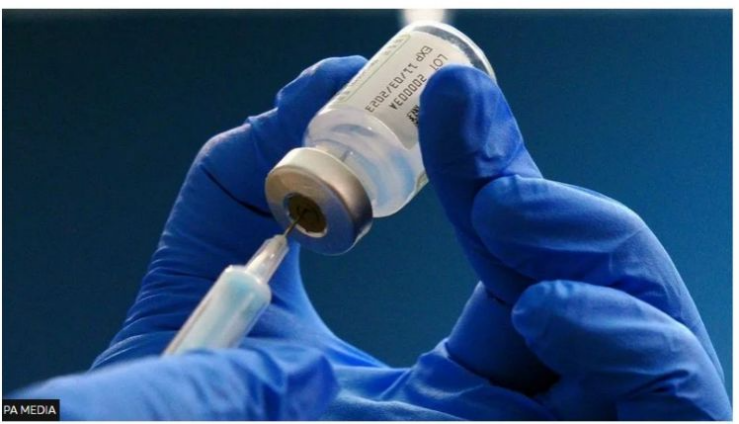
Many Ghanaians have welcomed plans by government to establish local vaccine manufacturing as part of efforts to strengthen the country’s health security, improve access to life-saving vaccines, and reduce dependence on imports.
The initiative, being championed through the National Vaccine Institute, seeks to advance Ghana’s goal of achieving vaccine sovereignty while ensuring a reliable supply of vaccines for citizens.
Speaking to Adom News, several respondents described the move as a major milestone for Ghana’s healthcare and industrial sectors.
“For years, we have depended on imported vaccines and medicines. If Ghana can produce its own vaccines, it will be a big achievement for the country,” one respondent said.
Others noted that local vaccine production could help improve access to vaccines and reduce the country’s vulnerability during global health emergencies.
Although some respondents admitted they were not fully aware of the progress being made towards local vaccine manufacturing, they applauded the initiative and urged government to fast-track its implementation.
“We have good scientists, doctors and health professionals in Ghana. If they are given the needed support, I believe they can produce quality vaccines for us,” another participant stated.
Many respondents also expressed confidence in locally manufactured vaccines, provided regulatory institutions such as the Food and Drugs Authority maintain strict quality and safety standards.
“I trust that the FDA will do its work to ensure that any vaccine produced in Ghana is safe and effective before it reaches the public as they do with other products; we should trust them,” a respondent noted.
Some participants observed that many Ghanaians often place greater confidence in imported medicines than locally produced ones. However, they believe the local vaccine manufacturing agenda presents an opportunity to change that perception.
“We always think foreign products are better, but if our own experts produce vaccines that meet international standards, we should support and trust them,” another respondent said.
The respondents further called for sustained public education and awareness campaigns to address misconceptions about vaccines and encourage public confidence as Ghana moves closer to local vaccine production.
They believe successful local vaccine manufacturing will not only strengthen Ghana’s health system but also position the country as a key player in pharmaceutical production within the West African sub-region.
Latest Stories
-
Majority opposes parliamentary probe into cocaine busts while investigations continue
3 minutes -
Salomey Baffoe detention is a facade to divert attention from cocaine scandal – Weija-Gbawe MP
17 minutes -
Francis-Xavier Sosu is doing well after GIMPA incident – Office
23 minutes -
Deputy Minority Leader appeals to First Lady, Vice President over Salomey Baffoe’s detention
27 minutes -
Ecobank Group commits US$2.6bn to women-led businesses and agribusinesses across Africa
39 minutes -
Ghana to host high-level conference on scaling education initiatives in emergencies
1 hour -
Democracy must not be for sale: Who pays for Ghana’s politics, and how do we confront money, influence and accountability?
1 hour -
Aburi Amanfrom landowners appeal for government support for Atwapim development project
1 hour -
Cargill Ghana and International Cocoa Initiative celebrate 111 young graduates building skills for the future
2 hours -
Video: Madina MP Francis-Xavier Sosu collapses while addressing students at GIMPA
2 hours -
Hunnyboy reveals how social media landed him Shatta Wale feature
2 hours -
I am a perfectionist – Actor William Lamptey
2 hours -
No room for another false start as Ghana begin AFCON qualifying campaign
2 hours -
“We are grateful for what you have achieved” – AGI President tells Finance Minister
2 hours -
“No Nation is Inferior”: Mahama champions human dignity and security council reform at the UN
3 hours