

Audio By Carbonatix
What began as public calls to boycott travel to Turkey has now escalated into a broader rupture, with India severing links with Turkish businesses and universities.
The diplomatic chill stems from Turkey's recent vocal support for Pakistan during the recent India-Pakistan hostilities.
On Thursday India barred Turkish firm Celebi from operating at its airports, citing national security concerns - an allegation the company denies.
Several Indian universities - including Jawaharlal Nehru University, Jamia Millia Islamia, and Maulana Azad National Urdu University- have also suspended academic ties with Turkish institutions.
Celebi, which handled ground services at major airports like Delhi and Mumbai, has been formally dropped, in line with the federal aviation ministry orders.
India's minister of state for aviation has said in a post on X that in recent days the government had received requests from across the country to ban the company.
"Recognising the seriousness of the issue and the call to protect national interests, we have taken cognisance of these requests. The Ministry of Civil Aviation has revoked the security clearance of the said company," the minister stated.
According to a Bloomberg report, Celebi has said it will pursue all "administrative and legal" remedies to "clarify" the allegations and seek a reversal of the order. The company also called the revocation of its security clearance "unjust".
"Our company and subsidiaries bear no responsibility for any potential disruptions, delays or negative impacts on airport operations and civil aviation traffic in India," Bloomberg quoted the company as saying.
Deadly fighting broke out between India and Pakistan last week after Delhi launched airstrikes on its neighbour, saying it was in response to the deadly Pahalgam attack in Indian-administered Kashmir. Pakistan has denied any involvement in the incident.
Turkey and Azerbaijan were quick to back Pakistan after India's military action - Ankara warned of "all-out war", while Baku condemned Delhi's strikes.
The fallout sparked a wave of backlash, with boycott calls against Turkey - and Azerbaijan - gaining traction on social media and being echoed by senior political leaders. The boycott gained momentum after reports emerged of Turkish drones being used by Pakistan against India.
Rajeev Chandrasekhar, a former federal minister and a member of Prime Minister Narendra Modi's Bharatiya Janata Party (BJP), said: "Every hardworking Indian who travels abroad as a tourist understands today that their hard-earned rupee should not be spent on those who help the enemies of our country."
The social media boycott calls had an immediate impact, with Indian travel sites reporting a sharp spike in cancellations this week.
"Indian travellers have expressed strong sentiments over the past week, with bookings for Azerbaijan and Turkey decreasing by 60%, while cancellations have surged by 250%," said a spokesperson for travel website MakeMyTrip.
Most travel sites still allow bookings, but some are discouraging travel, with promotions and flight discounts to Turkey and Azerbaijan quietly pulled.
Rohit Khattar, who runs a travel agency in Delhi, said he's already seeing clear hesitation among clients about visiting Turkey.
"Many young travellers may avoid it, fearing backlash on social media or social retribution," he said, adding that his firm won't risk investing in trips that might not take off.
According to official data, 330,100 Indians visited Turkey in 2024, up from 274,000 in 2023. Azerbaijan also saw a rise, with nearly 244,000 Indian arrivals last year.
Despite rising numbers, Indians made up for less than 1% of Turkey's foreign visitors in 2024 - a modest share with limited impact on overall tourism revenue. In contrast, they accounted for nearly 9% of foreign arrivals in Azerbaijan.
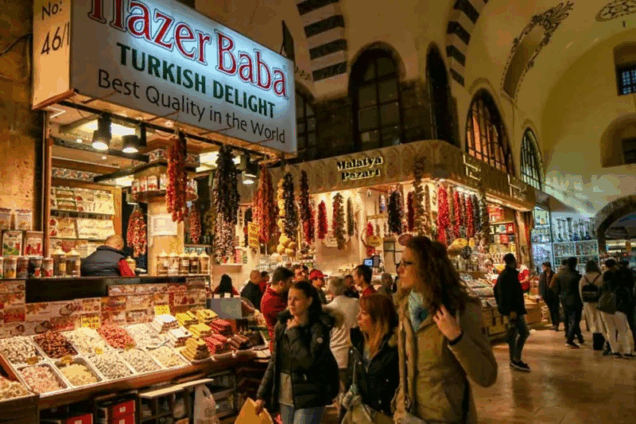
After the pandemic, Turkey and Azerbaijan grew popular among Indian travellers for their affordability, proximity, and Europe-like experiences at lower costs. Budget airlines have boosted access with direct flights in recent years.
Some social media users are promoting alternatives like Greece, but travel sites report no major spike in interest.
Travel website Cleartrip told the BBC, "As this is a developing situation, we haven't seen significant highs or lows in demand for these alternate destinations".
Latest Stories
-
ECG announces planned power outages in parts of Tema from Sept. 29 to October 1
2 minutes -
Sylvester Mensah urges Latenu FM to promote trade, export opportunities in Ga
16 minutes -
Ga language under threat of decline as children shy away from speaking it – Sylvester Mensah
21 minutes -
‘Let every Ga child you raise know the Ga language and story’ – Sylvester Mensah
27 minutes -
‘We are not deterred’ – Ablakwa responds to backlash over South Africa evacuation
29 minutes -
NCA announces major voice and data disruption across Northern Ghana due to fibre cuts
1 hour -
Photos: Housing solutions take centre stage at Day 2 of the 3rd Republic Bank-JoyNews Habitat Fair
2 hours -
Video: Immunity should be exercised without creating classism – Inusah Fuseini on cocaine bust
2 hours -
Ghana Air Force passes out 293 recruits after six months of intensive training
2 hours -
EOCO vrs Baffour Awuah: EOCO should have secured warrant before arrest attempt at court – Inusah Fuseini
2 hours -
Triple fibre cuts disrupt telecom services across Northern, Oti regions – Sam George
2 hours -
Politicisation could undermine parliamentary probe into cocaine seizures – Dr Osae-Kwapong
3 hours -
EOCO chases MP: Can Section 41 cure lacuna in EOCO Act? – Inusah Fuseini asks
3 hours -
GNFS, GWL inspect fire hydrants in Ministries enclave; 23 found faulty
3 hours -
Gov’t directs release of 50,000 bags of grain to ECOWAS
3 hours