

Audio By Carbonatix
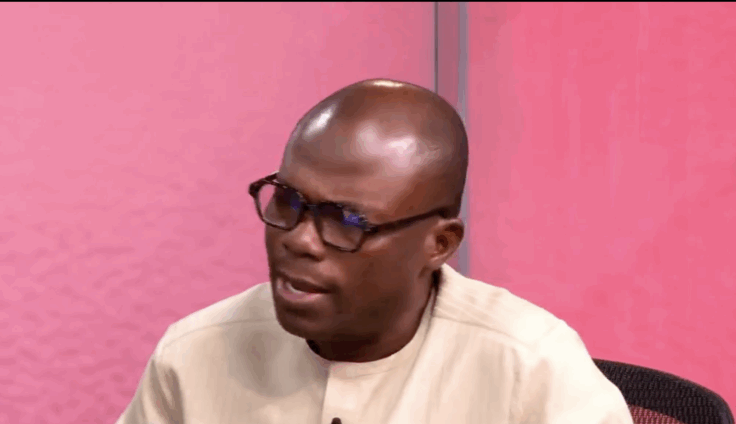
Executive Director of the Media Foundation for West Africa (MFWA), Sulemana Braimah, has raised serious concerns about the Ghana Police Service’s recent practice of arresting and detaining individuals over alleged false publications, an action he believes strays into territory meant for civil litigation.
His comments followed the arrest of blogger Samuel Amadotor of Dklassgh.net, who was picked up on Thursday, November 20, after former National Communications Authority (NCA) board chair, Okatakye Boakye Danquah Ababio II, filed a complaint accusing him of publishing fabricated allegations.
In a statement from the Criminal Investigation Department (CID), signed by Chief Inspector Brigitte Babanawo, police said Amadotor admitted to the offence and claimed he had been contracted by another individual, Chairman Michael Yeboah, to circulate the false information. The blogger remains in custody and is expected to be arraigned on Friday, November 21.
But Mr Braimah says the police are overstepping their role. In a Facebook comment posted on Friday, November 21, he questioned why officers continue to treat such matters as criminal offences when the law provides civil remedies.
“Why will the Ghana Police be arresting and detaining people for publication of ‘false news’ about private individuals or even public officials?” he asked. “Individuals cannot or should no longer sue for defamation because the police will act on their behalf? The police will now be arresting, detaining and taking people to court for defamation on behalf of individuals?”
He stressed that even under Ghana’s repealed criminal libel regime, such actions would have been unacceptable.
On a daily basis, we have people publishing false information about others. Will the police now be arresting all such persons? These acts must stop,” he added.
Mr Braimah’s comments reignite long-standing concerns about the creeping return of criminal-style sanctions for speech-related offences—an area free expression advocates consider a growing threat to media freedom and public discourse.
The debate also raises questions about clarity in the enforcement of laws relating to misinformation, the role of the police in civil disputes, and the broader implications for journalists, bloggers, and citizens who publish opinions or information online.
As the case of Amadotor proceeds to court, the MFWA Executive Director’s remarks are expected to fuel ongoing national discussions about the limits of policing, the protection of civil liberties, and the appropriate legal channels for addressing reputational harm in a democratic society.
Read Also: Blogger arrested after former NCA board chair reports alleged false publication
Latest Stories
-
President Mahama ends Resetting Ghana tour of Ahafo Region
42 minutes -
African negotiators seek delivery of climate commitments at COP31
43 minutes -
BoG develops AI rules for financial sector
46 minutes -
‘Big Push’: Government assures contractors of prompt payments
50 minutes -
Court fines miner for breaking into gold buying shop
60 minutes -
Tarkwa court jails labourer for three years over GH¢123,000 theft
2 hours -
GAEC must retain nuclear scientists for Ghana’s nuclear ambitions – Minister
2 hours -
Man reportedly mistaken for game and shot by hunter dead in forest
2 hours -
19-year-old mason jailed 15 years for defiling seven-year-old pupil
3 hours -
Ghana’s banking sector assets rise 20.47% to GH¢500.2bn – BoG Governor
3 hours -
22 injured as Sprinter bus overturns at Sege after tyre burst
3 hours -
UN housing expert urges Ghana to strengthen Rent Control Department amid housing affordability concerns
3 hours -
Delta-BCI partnership reaches 166,000 people with breast cancer education
3 hours -
Power restoration fault suspected in Kumasi Central Market fire
8 hours -
The 7-foot giant of Ngleshie Amanfro: Seven-foot Ghanaian Ephraim Saawa dreams of joining the national basketball team
9 hours