

Audio By Carbonatix
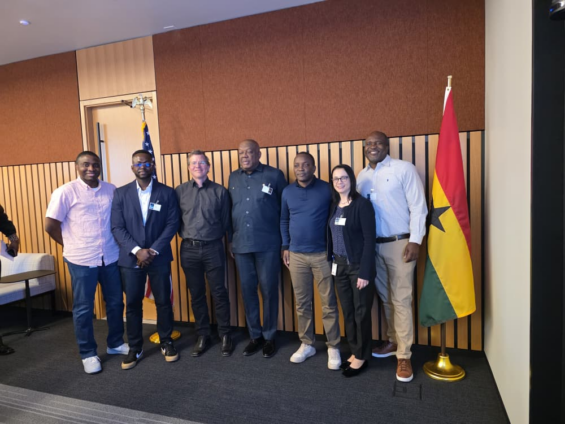
A Director at Microsoft Headquarters in Redmond, Washington State, Nina Marini, has commended Ghana’s “One Million Coders” programme, expressing the need to train young people in preparation for the digital future.
She said Ghana has a strong youthful population that can compete globally if given the necessary support.
Speaking during a brainstorming session with Ghana’s Ambassador to the United States of America, Victor Emmanuel Smith, and his team at Microsoft Headquarters in Redmond, Washington State, Nina Marini reflected on the founding vision of Ashesi University, which she co-founded.
She said the institution was built to nurture ethical, entrepreneurial, and solution-driven leaders.
Ambassador Smith highlighted the Government of Ghana’s commitment to youth empowerment, artificial intelligence skills development, cybersecurity, and building Ghana’s digital future.
Nina Marini praised Ghana’s proposed “One Million Coders” initiative and suggested strategic alignment with Microsoft’s technological ecosystem and training tools.
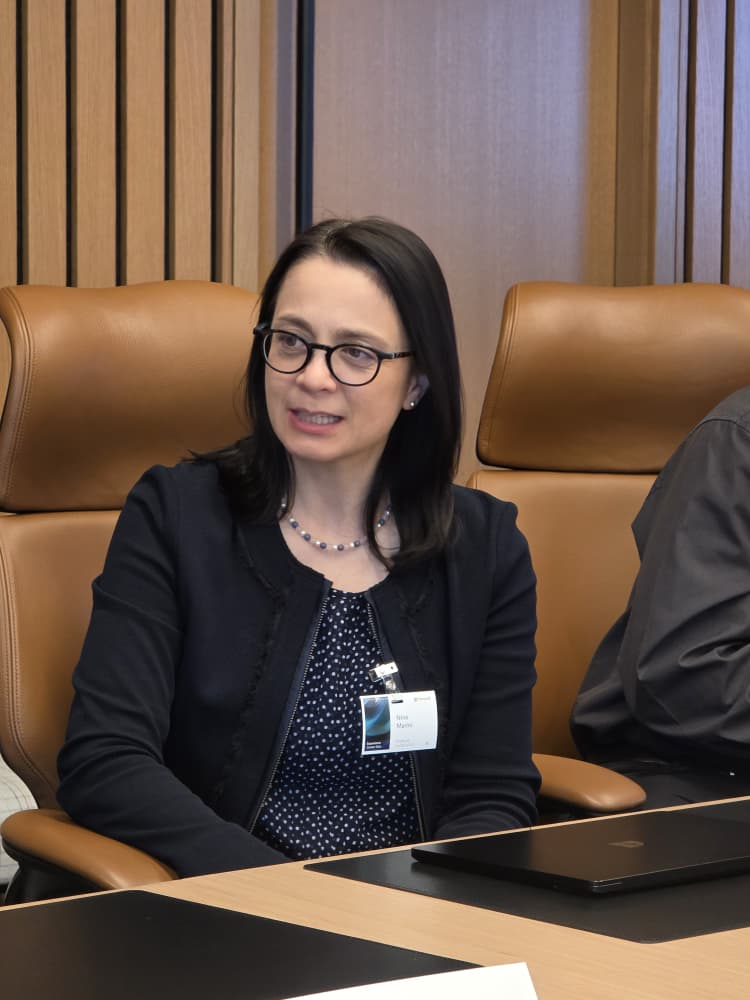
“By combining initiatives like One Million Coders, Microsoft Learn, and Microsoft Startups, we can build an economy of innovation and engineering to develop the next generation of innovators,” she said.
Marini noted that the vision behind Ashesi University was to train a new generation of ethical and entrepreneurial leaders.
“The premise of the university was to train a new generation of leaders who are entrepreneurial, who are ethical, to help lead Ghana and the continent,” she said.
She added that Ashesi’s educational philosophy was designed to develop critical thinkers and lifelong learners, rather than graduates focused only on job-seeking.
“It was never just about teaching a set of material for people to go and find jobs. It was about learning how to think critically, collaborate, communicate effectively, and always keep learning,” she stressed.
Marini further highlighted the growing importance of artificial intelligence and emerging technologies, describing the current moment as a major opportunity for Ghana to position itself at the forefront of digital innovation.
An investigator within Microsoft Security, Peter Anaman, also spoke at the session on the need to equip young people with the skills to use artificial intelligence responsibly, while addressing emerging cybersecurity threats.
He warned that cybercrime is becoming more sophisticated globally and said digital skills must go hand in hand with online safety and innovation.
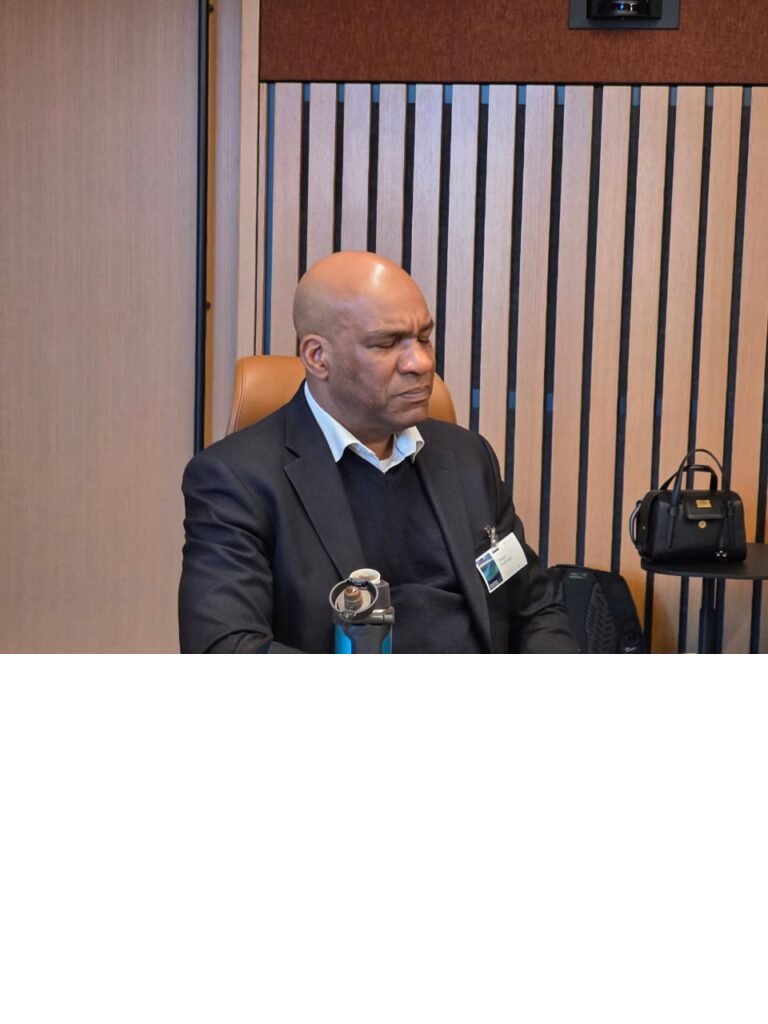
“We need to work on how we empower our youth to use AI to develop new solutions,” he said.
Mr Anaman noted that tools such as Microsoft Copilot and other AI platforms could help young innovators solve problems and speed up development if used responsibly. He also called for stronger collaboration between governments and technology companies.
“The conversation showed a lot of promise for the ways Microsoft and Azure can help Ghana achieve its goals around enabling the people of Ghana to meet their goals within the country,” he added.
Latest Stories
-
“Every genre we create doesn’t have to be ‘Afro’ something” – M.anifest
3 minutes -
GMTF marks first anniversary with lifesaving equipment for 9 more hospitals
21 minutes -
NAIMOS seizes 10 excavators in raid on illegal mining sites blocking River Pra’s flow
23 minutes -
Pump prices may stay unchanged as government holds TOR, Sentuo prices
38 minutes -
Akra Reads! 2026: Ladé Wosornu poetry contest expands to JHS
42 minutes -
K9 dog sniffs out 72lbs of prohibited Ghanaian food items at JFK
50 minutes -
If family planning is our choice, why isn’t it in our budget?
56 minutes -
Mahama, Lordina to attend World Assemblies of God Congress opening in Accra
60 minutes -
‘The power play is disgusting’ – Atta Akyea questions Baffour Awuah’s detention by EOCO
1 hour -
Ghana to review all public-sector AI acquisitions under new directive
1 hour -
NPP ready for national elections; 7,121 delegates to vote
1 hour -
‘I didn’t expect this under Mahama’ – Annoh-Dompreh on Baffour Awuah’s detention at EOCO
1 hour -
GRA welcomes Tribunal decision upholding US$393 million tax assessment
1 hour -
COMAC says Uniform Fuel Pricing Fund should not be confused with fuel subsidy
2 hours -
Mercy Ships targets over 2,000 surgeries, 3,500 dental treatments during Ghana mission
2 hours