

Audio By Carbonatix
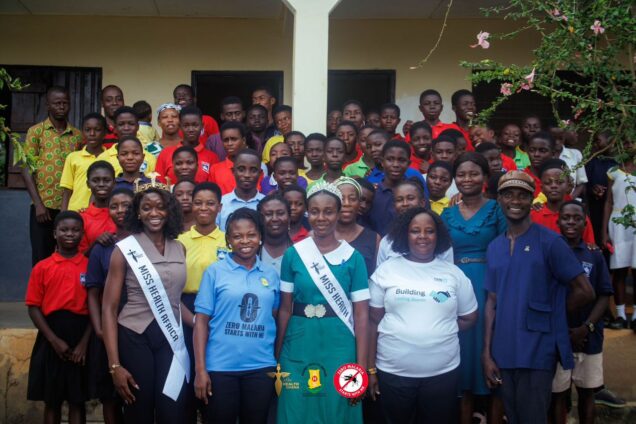
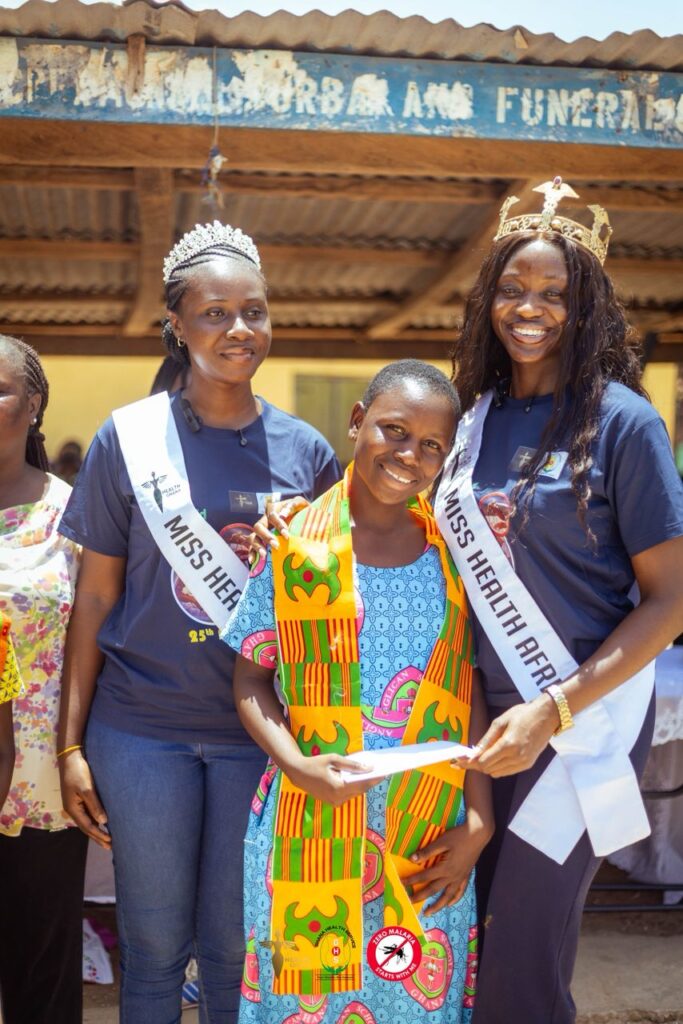
Miss Health Ghana has partnered with the National Malaria Elimination Programme (NMEP) to scale up awareness on malaria prevention and the health risks linked to illegal mining in the Atiwa West District of the Eastern Region.
The initiative formed part of activities marking World Malaria Day 2026 under the theme, “Driven to End Malaria: Now We Can, Now We Must.”
Health officials highlighted the growing link between illegal mining, commonly known as galamsey, and malaria transmission, noting that abandoned mining pits often collect stagnant water, creating breeding grounds for mosquitoes.
They also raised concerns over mercury contamination associated with galamsey, which can lead to Minamata disease, a serious neurological condition affecting exposed communities.
As part of the campaign, organisers embarked on a four-day sensitisation tour across 10 Junior High Schools in the district, reaching more than 1,000 students.
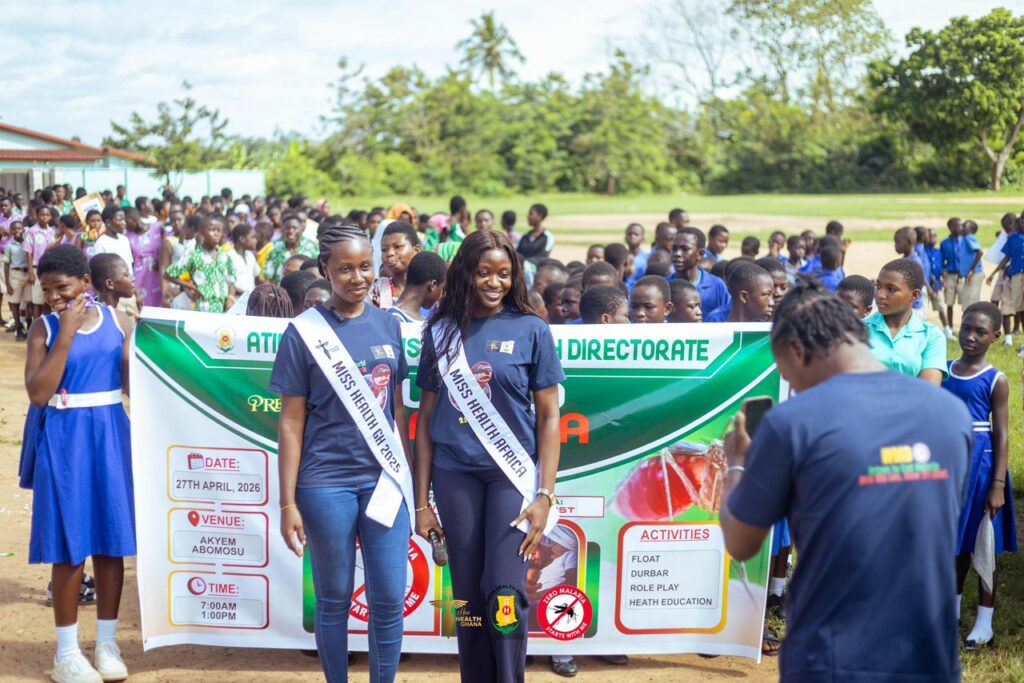
The outreach, carried out in collaboration with the Atiwa West District Health Directorate and the District Education Directorate, focused on malaria prevention, environmental protection and the dangers of mercury exposure.
An essay competition was also held to encourage students to propose solutions to both malaria and illegal mining, with participants demonstrating strong awareness and concern about their communities.
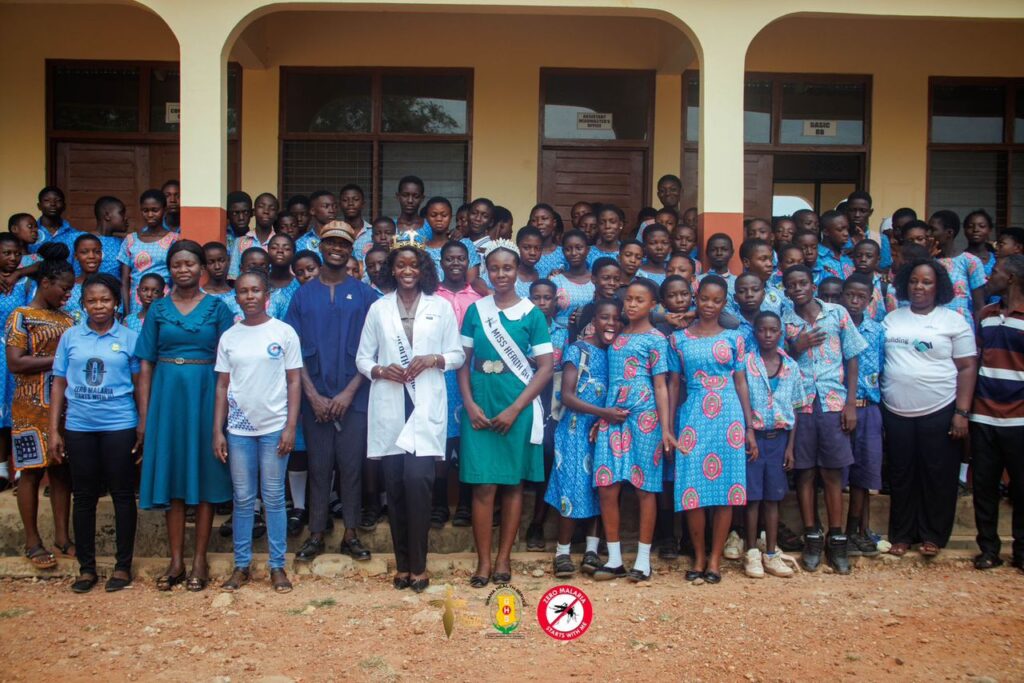
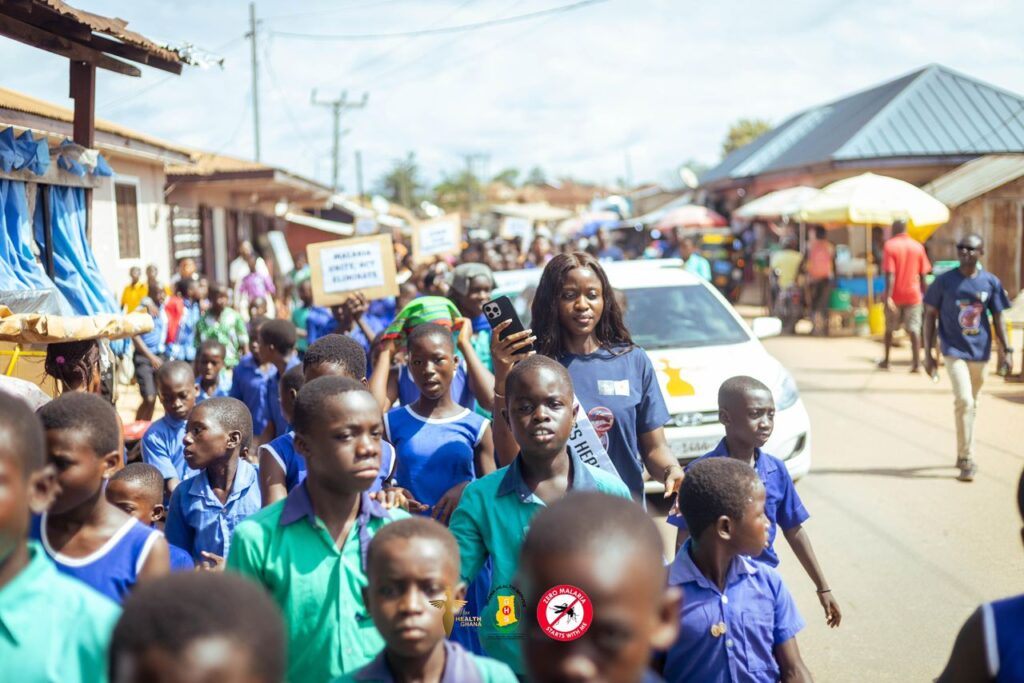
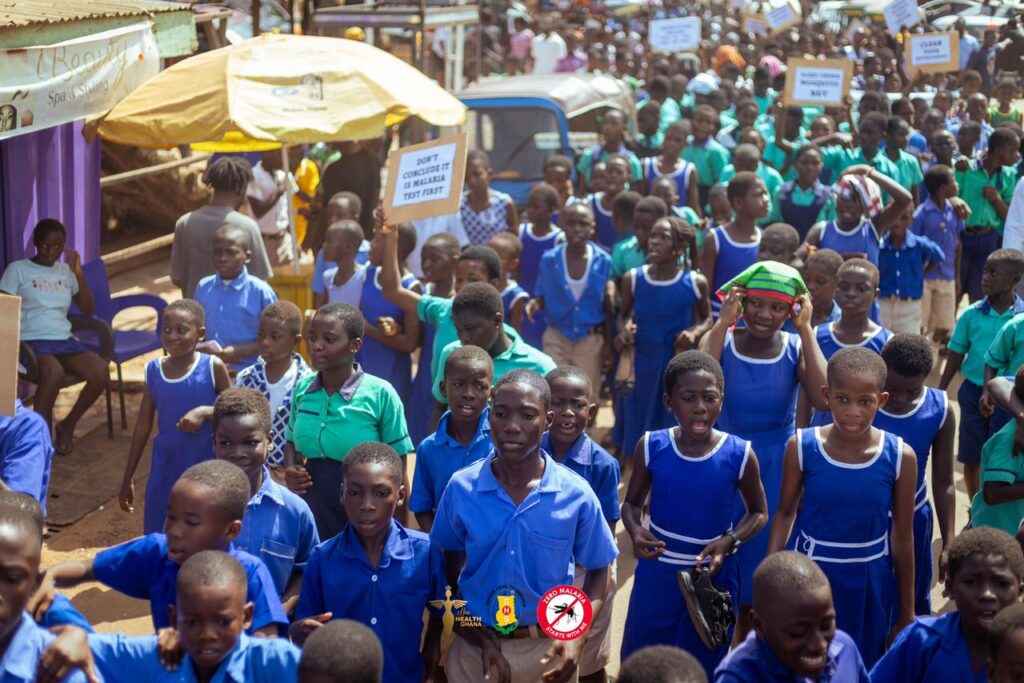
The climax of the programme featured a health walk through Abomosu, followed by a durbar attended by over 500 students and residents.
The Atiwa West District Director of Health Services, Janet Korkor Djangmah, warned that “malaria is deadly and must be treated with all seriousness,” adding that “every uncovered pit is a potential death trap.”
Executive Director of Miss Health Ghana, Gladys Rockson, said the initiative had created “1,000 new ambassadors” to champion health education.
The project was spearheaded by Esther Cachana, Doreen Afriyie and Chelsie Jomsentuh Malegho, with support from the Eastern Regional Health Directorate, traditional authorities and community leaders.
Stakeholders called for stricter enforcement of mining regulations and sustained public education, stressing that eliminating malaria in Ghana will require tackling environmental drivers such as galamsey.
Latest Stories
-
Conflicts among care providers linked to maternal, neonatal deaths – Expert
2 hours -
GIS marks 10th TIME conference, champions improved teaching practices
2 hours -
BRICS Or Balance? What Ghana’s bid really means
2 hours -
GPRTU wants full TRAFFITECH-GH implementation to start in 2027
2 hours -
Mahama announces plans to import electric wheelchairs for PWDs
2 hours -
KGL U17 Colts 2026: Western beat Prempeh Elite Academy to set up final final with Greater Accra Region
3 hours -
Late Solanke strike salvages 10-man Spurs draw at Man United
3 hours -
Gender Ministry to monitor welfare of Nana Akua Addo’s children amid domestic violence case
3 hours -
Benedict Okyere Yeboah: Ghana’s football problem goes beyond sacking a coach
3 hours -
GPL 2026/27: Darkwah Wiafe’s winner sees All Blacks beat Kotoko
3 hours -
ITF World Tour : Patel Wins Boys’ Singles Final at J100 Accra
4 hours -
Ghana must pursue BRICS partnership if it brings economic benefits – Kpebu
4 hours -
Success and Wright Claims J100 Accra Girls’ Doubles Championship
4 hours -
ITF J100: America’s Wright wins J100 Accra Girls’ Singles Title
4 hours -
Expedition hopes to find aviator Amelia Earhart’s plane on remote island
4 hours