

Audio By Carbonatix
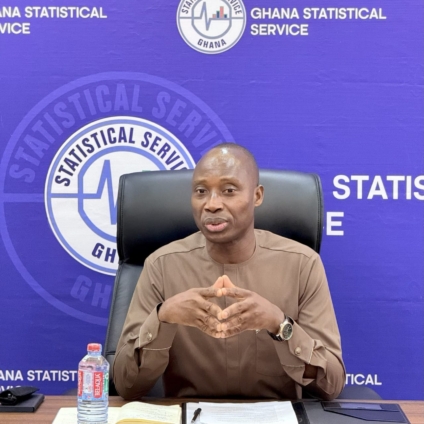
Multidimensional poverty in Ghana declined from 23.9% in the first quarter of 2025 to 21.9% by the third quarter, according to the latest Multidimensional Poverty Index (MPI) report released by the Ghana Statistical Service (GSS).
The report indicates that the decline reflects improving access to basic services and living conditions for many households.
Within a single quarter, more than 360,000 people exited multidimensional poverty between the second and third quarters of 2025. Overall, about 950,000 persons moved out of poverty between the third quarter of 2024 and the third quarter of 2025.
Despite the progress, regional inequality remains pronounced. The North East and Savannah Regions continue to record poverty incidence above 50%, while Greater Accra and the Western Region remain below 20%, highlighting persistent geographic disparities.
The rural–urban gap also remains wide, with poverty incidence in rural areas estimated at 31.9%, compared to 14.2% in urban areas, representing an 18-percentage-point difference.
According to the GSS, health and living conditions are the largest contributors to multidimensional poverty. Health-related deprivations account for 40.9%, largely driven by gaps in health insurance coverage. Poor living conditions contribute 33.8%, with overcrowding, inadequate nutrition, sanitation challenges, and housing conditions cited as key factors.
Education and employment continue to offer protection against poverty. Households with no formal education recorded a poverty incidence of 38.5%, compared to 5.7% among those with tertiary education.
Similarly, unemployed persons recorded a poverty incidence of 35.6 percent, while those in formal public and private sector employment recorded rates of about 5 percent.
The report also notes that vulnerable groups remain disproportionately affected, including persons with disabilities, households engaged in informal activities, female-headed households, and communities in high-poverty regions.
In addition, the share of the population facing a triple burden of unemployment, poverty, and food insecurity increased slightly. The proportion rose from 1.4% (208,000 people) in the second quarter of 2025 to 1.5% (227,500 people) in the third quarter.
The Ghana Statistical Service says sustained poverty reduction will require targeted social protection, expanded healthcare coverage, improved education outcomes, and decent job creation, particularly in rural and high-poverty areas.
Latest Stories
-
Ghana Psychological Association calls for greater involvement of people with lived experience in mental health care
20 minutes -
Ablakwa says Ghana could evacuate more citizens from South Africa if the situation worsens
48 minutes -
Violence against girls must be tackled through individual responsibility – Gender advocate
52 minutes -
Ghana’s BRICS bid must be guided by national interest – International Affairs Analyst
1 hour -
Journalists look back on a decade of breast cancer reporting in Ghana
2 hours -
President Mahama ends Resetting Ghana tour of Ahafo Region
4 hours -
African negotiators seek delivery of climate commitments at COP31
4 hours -
BoG develops AI rules for financial sector
4 hours -
‘Big Push’: Government assures contractors of prompt payments
4 hours -
Court fines miner for breaking into gold buying shop
4 hours -
Tarkwa court jails labourer for three years over GH¢123,000 theft
5 hours -
GAEC must retain nuclear scientists for Ghana’s nuclear ambitions – Minister
5 hours -
Man reportedly mistaken for game and shot by hunter dead in forest
5 hours -
19-year-old mason jailed 15 years for defiling seven-year-old pupil
5 hours -
Ghana’s banking sector assets rise 20.47% to GH¢500.2bn – BoG Governor
6 hours