

Audio By Carbonatix
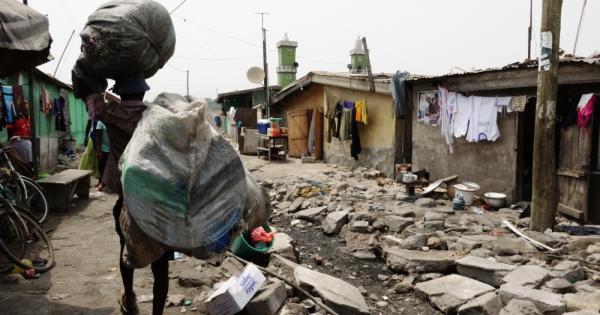
A new report published by the Ghana Statistical Service (GSS) has revealed that nearly one in every three households in Ghana lives in a slum or informal settlement.
Titled, “The Slums and Informal Settlements Report”, the survey indicated that 29.5 percent of Ghanaian households—representing an estimated 4.8 million people reside in conditions that fall below acceptable standards of housing and urban planning.
Speaking at the launch, the Government Statistician, Dr. Alhassan Iddrisu, described the findings as a wake-up call for policymakers. He emphasized the need for coordinated action, particularly at the local government level, to address the widening inequality within Ghana’s urban spaces. According to him, the report should inform budget planning and development strategies in districts and municipalities across the country.
The data showed significant regional disparities. The Greater Accra Region recorded the highest proportion of slum dwellers in rented accommodation, at 52.5 percent, followed by the Ashanti Region at 51.8 percent. In contrast, other regions recorded much lower rates, highlighting a concentration of slum-related challenges in Ghana’s two most populous regions.
The report also draws attention to demographic trends, particularly among women living in slum areas. Women between the ages of 15 and 49 in these communities tend to have more children compared to their counterparts in non-slum urban areas. The total fertility rate among women in slums is 2.9 percent, slightly higher than the 2.5 percent recorded in non-slum settings. The Northern Region emerged with the highest total fertility rate at 4.1 percent, while the Greater Accra Region recorded the lowest at 2.3 percent.
Despite increasing urbanisation, the report found that only about 10 percent of localities in Ghana are classified as urban. At the same time, slum characteristics remain widespread, with 46 percent of all households showing at least one slum feature. About 34.1 percent of neighbourhoods and 26.6 percent of localities across the country also meet the criteria for being classified as slums.
The GSS report calls for an urgent rethinking of housing and urban development policies, particularly in light of the growing urban population and the persistent lack of adequate infrastructure. It suggests that targeted interventions in housing, sanitation, family planning, and social services could help stem the expansion of slums and improve the quality of life for millions of Ghanaians.
Dr. Iddrisu urged decision-makers not to shelve the report but to use the data as a tool to tackle inequalities and inform planning at all levels of governance. “This data must not be shelved. It should inform how we plan, allocate resources, and intervene at the local level to reduce disparities,” he said.
Latest Stories
-
Hotline Documentary: ‘Silent Football’ to air on JoyPrime and JoyNews today
1 hour -
NDPC examines how evidence shapes Ghana’s development planning and policy decisions
1 hour -
Education Ministry calls urgent talks to break GAUA strike deadlock
1 hour -
NCCE engages women in North East Gonja on rule of law, anti-corruption
1 hour -
NDPC reviews 2004 planning guidelines to reflect changes in decentralised system
2 hours -
Trade Ministry commends Prisons Service for using art to drive inmate rehabilitation
2 hours -
Books, brushes and second chances: Dr Abena Asomaning launches three titles to support prison outreach
2 hours -
Treasury bill auction oversubscribed by 53.5% as yields fall across maturities
2 hours -
NPP warns aspirants premature campaigning could jeopardise eligibility for primaries
2 hours -
Ghana courts investors in Bangkok after exit from $3bn IMF bailout
2 hours -
8 arrested over alleged internet fraud initiation assault in Bono Region
2 hours -
SSNIT says Labadi Beach Redevelopment will create local economic opportunities
2 hours -
BoG proposes 30-day liquidity buffer requirement for banks
2 hours -
BoG plans reviews of banks’ cybersecurity compliance
2 hours -
GRA cautions taxpayers against attacking tax officials
2 hours