

Audio By Carbonatix
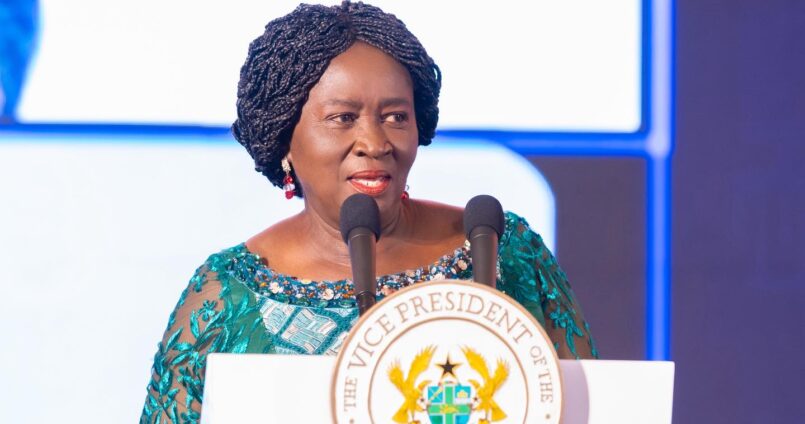
Vice President Prof. Naana Jane Opoku-Agyemang has signalled a robust pivot toward economic revitalisation, outlining a raft of strategic interventions aimed at curbing inflation, slashing the cost of living, and triggering mass employment.
Speaking to a packed audience of the Ghanaian diaspora in Canada on Friday, June 19, 2026, the Vice President articulated a vision of "economic restoration" built on the twin pillars of industrial expansion and aggressive infrastructure development.
A central plank of the government’s recovery strategy, according to Prof. Opoku-Agyemang, is the implementation of the "24-Hour Economy" policy. Designed to overhaul the nation’s productivity culture, the policy is aimed at incentivising businesses to operate outside the conventional nine-to-five window.
“Prof. Opoku-Agyemang explained that the government’s proposed 24-Hour Economy policy is expected to expand business operations beyond traditional working hours, stimulate productivity, and generate employment opportunities across various sectors of the economy,” the report noted.
The Vice President also doubled down on the "Big Push" infrastructure programme, which she characterised as a mission-critical intervention to dismantle logistical bottlenecks. By prioritising the overhaul of national road networks and enhancing rural-to-urban connectivity, the administration intends to lower transport costs and grant farmers more efficient access to major markets.
To bolster the agricultural value chain, the government is rolling out the Feed Ghana initiative. This programme focuses on the establishment of dedicated Farmer Service Centres, which are intended to provide the technical support and inputs necessary to supercharge food security and agricultural productivity.
Beyond structural reforms, the Vice President emphasised a commitment to social equity, spotlighting several flagship interventions designed to insulate vulnerable citizens from economic volatility:
- Educational Reform: The "No-Fees Stress" policy to remove financial barriers to higher education.
- Health Access: The roll-out of Free Primary Healthcare.
- Economic Inclusion: The Women’s Development Bank, specifically tailored to provide credit facilities for female entrepreneurs.
- Welfare Programmes: The MahamaCares initiative for targeted social support.
Concluding her address, Prof. Opoku-Agyemang issued a rallying call to the Ghanaian community abroad. She urged them to maintain active engagement with the homeland, framing their expertise and investment as vital catalysts for the country’s long-term economic transformation.
Latest Stories
-
Parliament questions proliferation of unapproved containers in East Legon
59 minutes -
Promotion arrears alone cannot end teachers’ strike — PRETAG
1 hour -
Ebi Bright alleges assault on driver in dispute with Tema Central MP
1 hour -
GH¢35m Darkuman 24-hour market to be completed in 16 months — MCE
1 hour -
NPP risks losing Karaga seat if Amin Adam doesn’t contest – John Boadu
1 hour -
Ghana Reference Rate falls to 10.04% in October as borrowing costs ease
1 hour -
53% of NPP delegates backed alternatives to John Boadu in chairmanship race – Mussa Dankwah
1 hour -
High taxes, water shortages push up hotel operating costs — Hotels Association
1 hour -
Catholic Bishops demand tougher action on tramadol, marijuana and other drugs
2 hours -
Government positioning Banda District to become major tourism destination hub – Housing Minister
2 hours -
Deputy Education Minister appeals to striking teachers to return to classrooms
2 hours -
Government to involve corporate Ghana in street maintenance – Ayariga
2 hours -
No contractor is untouchable because of political links — Agbodza
2 hours -
Contractors to resume work on Phase Two of Kejetia Market Project
2 hours -
Government committed to resolving teachers’ concerns - Vice President
2 hours