

Audio By Carbonatix
The Ghana Statistical Service (GSS) says more than 1.3 million young Ghanaians were out of work, school, or training in the third quarter of 2025, highlighting persistent labour market pressures and widening skills gaps.
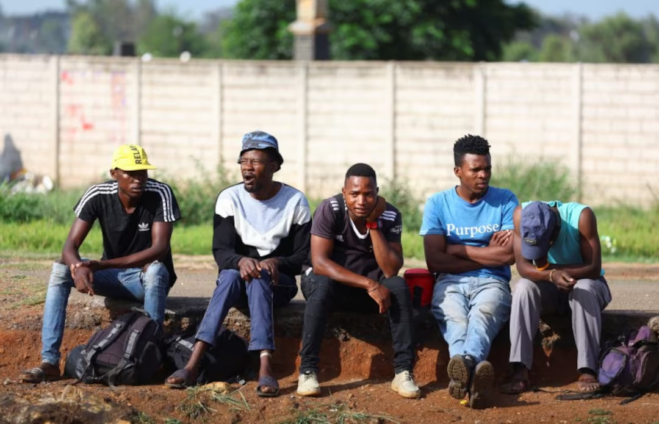
The data show that 1.3 million people aged 15 to 24 — representing 21.5 per cent of the age cohort — were classified as not in education, employment, or training (NEET), raising concerns over youth disengagement from productive economic activity.
The data also highlight sharp regional disparities in youth engagement. NEET rates for persons aged 15 to 35 ranged from a high of 25.3% in the Central Region to a low of 9.5% in the Oti Region, reflecting uneven access to jobs, education, and training across the country.
Labour underutilisation remains a significant concern. About one in five employed persons was underutilised, with the composite labour underutilisation rate holding at 23.0% in the second quarter and slightly rising to 23.4% in the third quarter, showing minimal variation by gender or locality.
GSS noted that underemployment was more pronounced in rural areas, averaging 15.3% in the second quarter and 14.9% in the third, compared with 9.5% and 9.7% in urban centres.
The GSS data also indicate persistent skills and education mismatches in the labour market. In the third quarter, 65.8% of employed persons reported that their skills matched job requirements, while over 10% considered themselves over-skilled—particularly men and urban workers. Conversely, 3.3% reported having skills below job requirements, with the highest shares among men in rural areas.
Education mismatches followed a similar pattern. While 58.4% of workers reported that their education matched their jobs, 8.2% considered themselves overqualified, and 15.7% underqualified, with under-qualification most prevalent in rural areas.
Youth unemployment remains significantly higher than the national average. In the second and third quarters, unemployment averaged 32.5 per cent among persons aged 15 to 24 and 21.9 per cent among those aged 15 to 35. Greater Accra recorded the highest youth unemployment, while Bono East had the lowest, highlighting the concentration of youth joblessness in urban economic hubs.
Latest Stories
-
Central Regional Minister urges use of religious platforms to change environmental, sanitation practices
4 minutes -
Henry Kweku Banning
5 minutes -
Execution of US murderer Christa Pike halted an hour before it was due to happen
7 minutes -
GoldBod generates US$1.87bn in FX in September, exceeds monthly target
10 minutes -
SOE comments controversy: ‘We must never abandon our humanity because of judicial office’ – CJ
20 minutes -
Samuel Kojo Brace declares intention to contest NPP parliamentary primary in Ahanta West
21 minutes -
Dr Apaak calls for evidence-based education response to emergencies
25 minutes -
Pilot may have sought to crash Israel-bound flight after stabbing other pilot, Netanyahu says
29 minutes -
Report flags potential money laundering, terrorist financing risks among Ghana’s NGOs
30 minutes -
Breast Cancer Awareness Month launched: 2,695 women die from breast cancer annually — Dr Ann-Dadzie
37 minutes -
Mahama’s proposed airline looks to South America, Caribbean as Ghana confronts mounting drug trafficking cases
53 minutes -
5% progress on Suame Interchange Phase One inadequate – Roads Minister tasks contractor to speed up work
55 minutes -
Photos: Vice President joins GAAS Awards to celebrate outstanding women leaders
56 minutes -
OSP vs Ken Ofori-Atta, SML and others: Court gives OSP four more weeks to serve Ofori-Atta with summons
58 minutes -
High Commission sends caution to Ghanaians in South Africa ahead of planned protests
1 hour