

Audio By Carbonatix
At a glance, the transformation might seem modest: a Cleaner, more conscious of disinfection routines, a Nurse adhering to protocols for wound dressing, or a medical officer being more attentive to patient interactions and documentation. But beneath these subtle changes lies a quiet revolution, SafeCare, which is impacting Ghana’s healthcare system—one facility, one worker, one patient at a time.
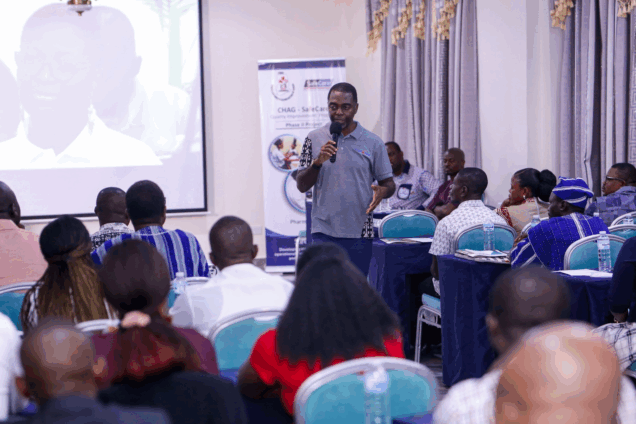
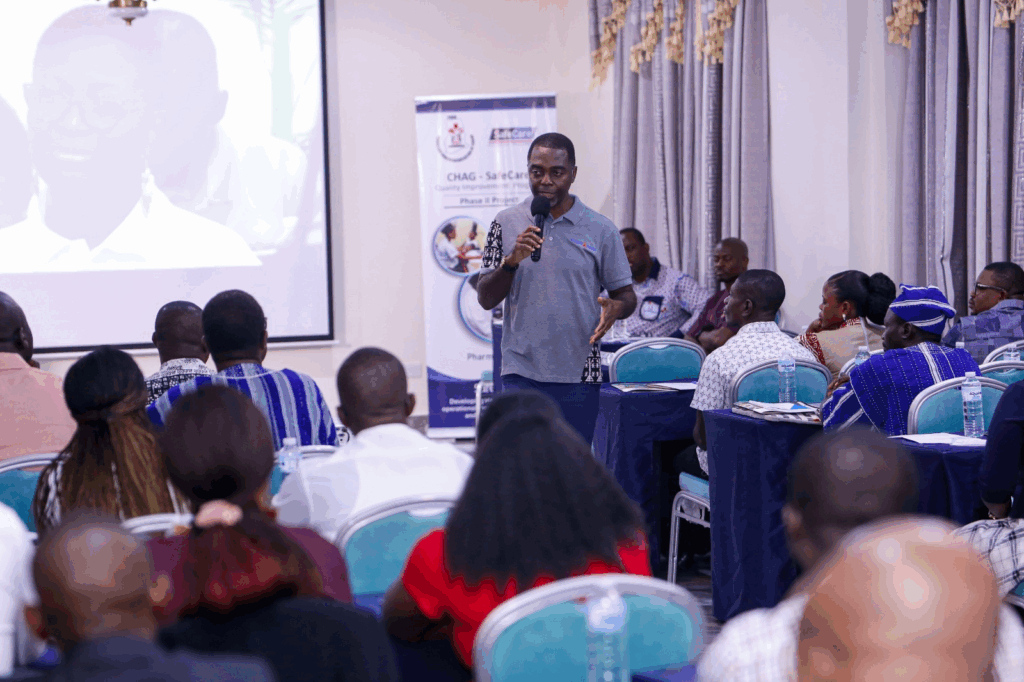
According to the internationally certified SafeCare assessors, who recently participated in the SafeCare Assessor Refresher Training in Koforidua under the theme “Consistency, Integrity, and Excellence: Elevating SafeCare Assessment Process for Facilities’ QI”, it may be the best hope yet for improving the quality of healthcare in Ghana.
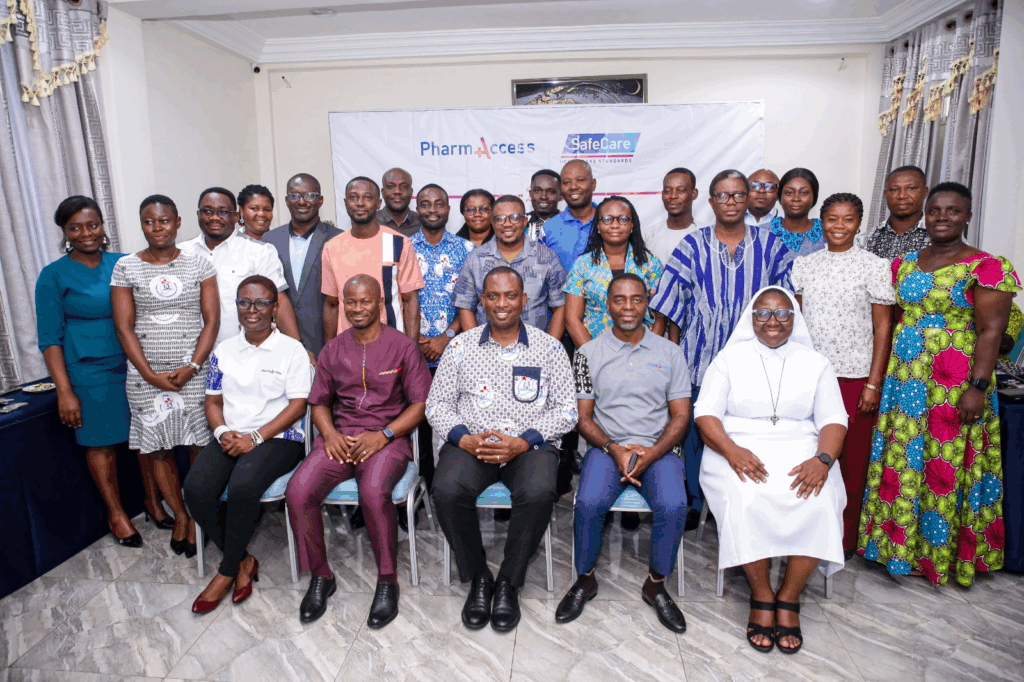
Silently and gradually, SafeCare is helping to shape quality in healthcare delivery in Ghana. SafeCare was introduced to Ghana in 2011, but took off on a larger scale through the strategic partnership with Christian Health Association of Ghana (CHAG) and PharmAccess in 2019.
Through the partnership, selected healthcare professionals are trained to become Internationally Certified SafeCare assessors, utilising the SafeCare standards to assess CHAG member facilities and supporting them through an improvement initiative using the digitally enabled quality improvement approach.
Healthcare facilities networks using the SafeCare programme get their facilities introduced to a system for measuring, improving and benchmarking quality using ISQuaEEA-accredited standards. The SafeCare standards are categorised into 13 service elements (covering both clinical and non-clinical areas) with focus areas including Accident & Emergency Care, HIV, TB & Malaria, Infection Prevention, Mother & Child, Life & Fire Safety, Customer Care, Business Performance, Staff & Training, Stock Management, and Clinical Management.
Since its introduction in Ghana, healthcare organisations and networks such as CHAG, private healthcare partners and now Ghana Health Service (GHS), are using the SafeCare system to progress in improving trajectories from low quality to high quality. —demonstrating that systemic improvement is possible even with limited resources.
“SafeCare has the key to unlock remedies to the quality challenges in our health sector,” said Dr. Jennifer Salman, a paediatrician at Sunyani Municipal Hospital. “It’s more than guidelines and SOPs. It’s a way of thinking that transforms everyone in the healthcare facility—from the cleaner to the medical director.”
Training the Change Agents
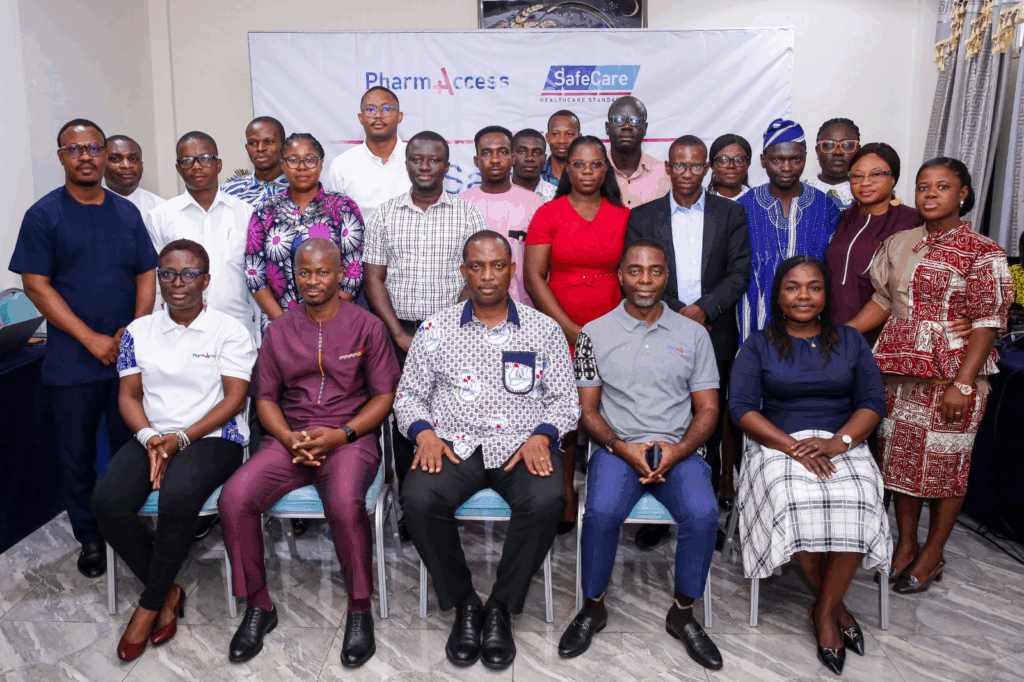
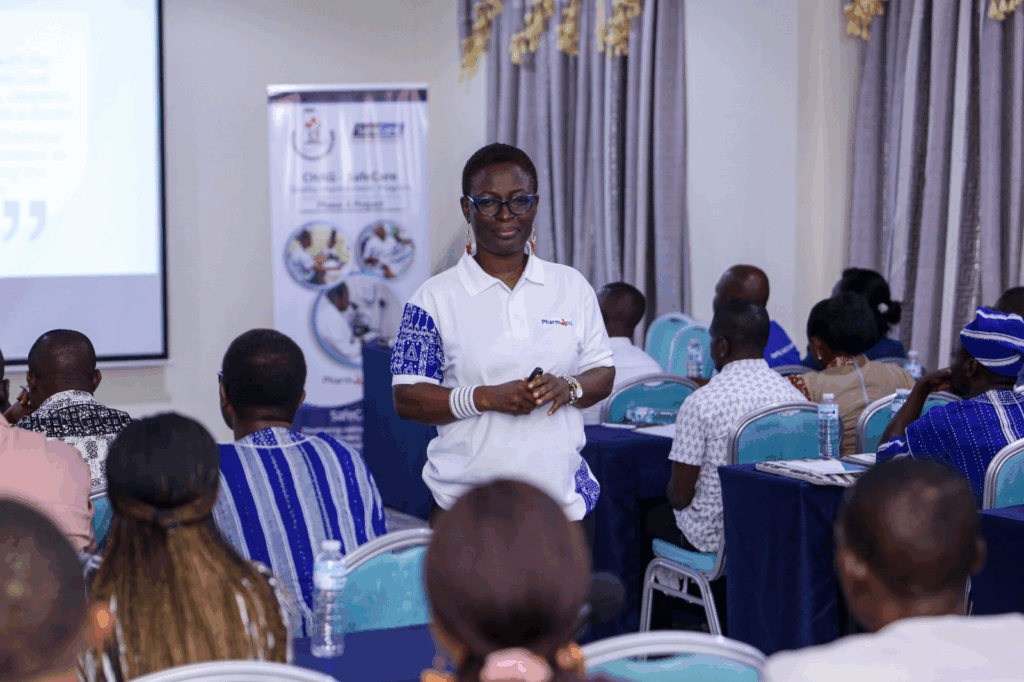
The Assessor Refresher Training Programme, organised by PharmAccess, aimed to empower individuals to become agents of change. Participants included doctors, nurses, pharmacists, hospital administrators, quality officers, all trained to use the SafeCare standards and improvement methodology to support healthcare facilities with the provision of safer, efficient and more compassionate care.
“As a nurse, I used to think quality improvement was just about bedside care,” said Severa Kyeremaa, a pediatric nurse specialist from the CHAG network and a SafeCare certified assessor. “But SafeCare helped me understand that even cleaners and orderlies contribute to patient outcomes.” “Now I walk into a facility with confidence, knowing I have the tools to help close quality gaps.” For many, the training was an eye-opener. It pushed health professionals out of their silos, encouraging them to engage with broader aspects of service delivery— From governance, management, procurement & resource management, care coordination to data systems and waste management.
“SafeCare takes you beyond your area of specialisation,” said Benjamin Amoa-Menyah, another SafeCare-certified assessor and a specialist ENT nurse, from the CHAG network. “You start thinking about laboratory, pharmacy processes, documentation—things that seemed outside your role before. It sharpens your practice.”
A Proven Model, A Growing Movement
The success story with CHAG is proof of concept. Since 2019, SafeCare has helped the faith-based facilities adopt and integrate a culture of continuous improvement. Under the guidance of the CHAG Director for Quality, Dr. Abraham Baidoo and with the support of dedicated professionals at the newly set up Quality Hub, CHAG has embedded the SafeCare approach as a major strategic direction to support effective and efficient service delivery among member facilities.
“We have institutionalised SafeCare within CHAG, and the results are evident,” said Dr. Baidoo. “Our facilities are safer, better managed, and more accountable. It is no surprise that Ghana Health Service has adopted the same model. We are proud to share what we've learned.”
The Ghana Health Service began a small-scale rollout of the SafeCare Programme in the Savannah and Bono East regions in 2022. In one year, several facilities recorded significant quality gains. Subsequently, after expansion into one hundred other healthcare facilities in ten additional regions, four of the facilities have obtained a SafeCare Level 4 quality rating in 2024. —a leap that would have seemed impossible without the programs’ structured guidance powered by digital innovation. The Ghana Health Service is looking to scale the SafeCare system to all healthcare facilities of the Service using a local ownership approach.
“We have moved from fragmented quality initiatives to a system-wide framework,” explained Joyce Amponsah, who works with the Quality Assurance Department at the Ghana Health Service Institutional Care Division. “SafeCare has made it possible to track real progress, not just intentions.”
Restoring Trust, Raising the Bar
With healthcare organisations becoming more sensitive to medico-legal issues and striving to gain public trust, the SafeCare system is helping facilities to restore confidence of patients, communities and healthcare professionals.
“SafeCare is not just a checklist,” said Bonifacia Benefo-Agyei, Country Director for SafeCare Ghana. “It is a culture of integrity. Our assessors are trained not just to evaluate, but to inspire change.”
“When patients know that every step of their care is being guided by internationally recognised standards, it creates trust,” added Dr. Maxwell Antwi, Country Director of PharmAccess Ghana. “Our goal is for every Ghanaian to feel safe seeking care here, not to feel they must go abroad for better service.”
The growing SafeCare movement is also aligned with Ghana’s national commitment to Universal Health Coverage (UHC)—not just coverage in numbers, but care that is safe, equitable, and effective.
What’s Next: Building for the Long Term
The Certified Assessors will continue to work across Private, CHAG and GHS networks of facilities to evaluate quality performance, support improvements, and track facilities’ progress through SafeCare’s digital assessment tools. But the work doesn’t stop there. SafeCare’s ultimate promise lies in its sustainability—training teams who can train others, embedding standards into daily operations, and changing mindsets from the inside out.
SafeCare has transformed my approach to work,” said Dr. Salman. “I now view quality not merely as a target to achieve, but as a responsibility to maintain.” This sentiment resonates with the experiences of nearly every health worker who has adopted the SafeCare model. For them, it is not just about improving scores; it is about elevating standards. And in doing so, fostering hope.
Latest Stories
-
UTAG-UG threatens strike on October 19 over unpaid allowance
51 seconds -
Let The Constitution direct Chieftaincy to deliver “All Development Is Local”
1 hour -
John Jinapor outlines renewable energy, nuclear power priorities for 2027
2 hours -
Ghana explores centre of excellence for hearing, communication and cochlear implant care
3 hours -
Schizophrenia-related disorders lead mental health cases recorded in Ghana
3 hours -
Dutch authorities enlist Ghana in hunt for fugitive drug lord Bolle Jos
3 hours -
Ghana housing finance conference adopts communiqué to improve affordable housing access
8 hours -
Special Initiatives Minister urges Wa Technical Institute to enrol more girls as EU-backed solar training lab opens
8 hours -
In the matter of my first year at the Bar
8 hours -
ActionAid Ghana calls for an end to child marriage, greater investment in girls’ rights
8 hours -
Newsfile to tackle World Cup visa scandal, beach demolitions, education strikes, BRICS bid
9 hours -
UK-Ghana Trade & Investment Summit: Trade Resource Centre to help businesses maximise UK-Ghana trade opportunities
9 hours -
Embassy of Denmark celebrates World Maritime Day
9 hours -
Linking LEAP to productive inclusion could cut extreme poverty by 2030 – UNICEF
10 hours -
Trade Ministry backs use of creative arts to rehabilitate prison inmates
10 hours