

Audio By Carbonatix
Scientists from Ghana, Nigeria, and the United States have published groundbreaking research in the New England Journal of Medicine, identifying a significant genetic factor contributing to kidney disease among West African populations. The study, conducted through the Human Health and Heredity in Africa (H3Africa) Kidney Disease Research Network, examined 8,355 people from Ghana and Nigeria, with Ghanaians comprising 36.7percent of participants.
This extensive research effort represented one of the largest genetic studies focused on kidney disease in African populations to date. The research revealed that variants in the Apolipoprotein L1 (APOL1) gene, which originally protected African ancestors from sleeping sickness (Trypanosomiasis), now increases the risk of chronic kidney disease.
According to Dr. Dwomoa Adu, lead researcher from the University of Ghana Medical School, "Almost a third of Ghanaians studied had two copies of the gene (29.7percent) and 43.7percent had one copy of the gene. Compared with patients with no gene, one copy of the gene increased the risk of kidney failure by 18percent almost by a fifth, and two copies of the APOL1 gene increased the risk of kidney disease by a quarter (25percent),” he added.
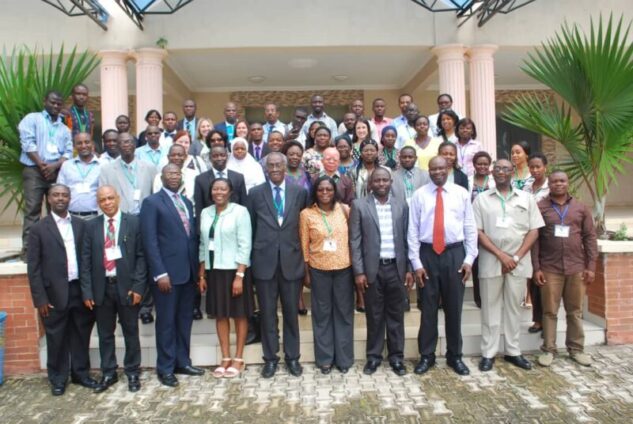
The collaborative research which was spearheaded by Dr. Dwomoa Adu, Professors Ojo and Salako received significant contributions from a team of doctors and scientists from Ghana and Nigeria.
In Ghana, the research team included scientists from three major institutions. The University of Ghana Medical School was represented by Dr. Charlotte Osafo, and Professor Vincent Boima. From the Kwame Nkrumah University of Science and Technology (KNUST), Professor Sampson Antwi and the late Professor Jacob Plange-Rhule contributed their expertise as did Professor Alexander Nyarko and Professor Anita Ghansah from the Noguchi Memorial Institute of Medical Research.
The gene variants' impact mirrors other evolutionary adaptations found in African populations. As Dr. Adu explained, "In this way the gene is like the sickle cell gene that protected people against malaria but can cause crises."
This evolutionary trade-off highlights the complex relationship between genetic adaptation and modern health challenges in African populations. The research team's findings suggest that what once served as a protective mechanism against a deadly disease has become a significant contributing factor for kidney disease in contemporary times.The implications of this research extend far beyond West Africa, potentially benefiting populations of African descent worldwide, Dr. Adu noted.
The identification of this genetic link opens new avenues for understanding kidney disease progression and could lead to more targeted treatment approaches. These findings represent a significant step forward in addressing the high incidence of kidney disease in African populations and their descendants globally.
The research received substantial support through core funding from the National Human Genome Research Institute (U54 HG006939), the National Institute of Diabetes and Digestive and Kidney Diseases (U54 DK116913 and U01 DK107131), and the Office of the Director at the National Institutes of Health, USA (1ZI AHG200362).
About H3Africa Kidney Disease Research Network: The H3Africa (Human Heredity and Health in Africa) is a pioneering initiative established in 2010, co-funded by the National Institutes of Health (NIH) and the Wellcome Trust, aimed at advancing genomics research across Africa. The program empowers African scientists to explore the genetic and environmental factors impacting diseases such as malaria, tuberculosis, sleeping sickness, bilharzia, and hearing impairment.
Latest Stories
-
Global InfoAnalytics poll puts John Boadu, Justin Kodua and Titus Glover ahead in NPP executive race
59 minutes -
Ghana to establish skills development university with $50m from German support package
1 hour -
Baffour Awuah under EOCO investigation over alleged financial loss and money laundering – Deputy AG
1 hour -
How healthy is Ghana’s health sector?
1 hour -
HACSA Tech4Girls graduates 80 young women with digital and technology skills
1 hour -
Arrest of Manhyia South MP should involve Parliament, not police station – Kpebu
2 hours -
Two Nigerians sentenced to 189 months in US prison over $2.4m cyber fraud
2 hours -
Cristiano Ronaldo leaves Portugal’s training camp after rift with Head Coach
2 hours -
Ghana Energy Awards opens nominations for landmark 10th anniversary edition
2 hours -
Aayalolo contra-flow: Are we treating the symptom instead of the disease?
2 hours -
GTEC orders Colleges of Education to begin 2026/2027 admissions despite fees approval delay
2 hours -
Legal reforms must solve real problems, improve justice – Bagbin
2 hours -
Ofori-Sarpong named Alumni President of the Year, honoured for PRESEC dormitory project
3 hours -
Germany commits $132m to Ghana for skills development and training university – Pelpuo
3 hours -
‘Influence should go beyond visibility’ – Taadi Banyinba GH launches The TB Impact
3 hours