

Audio By Carbonatix
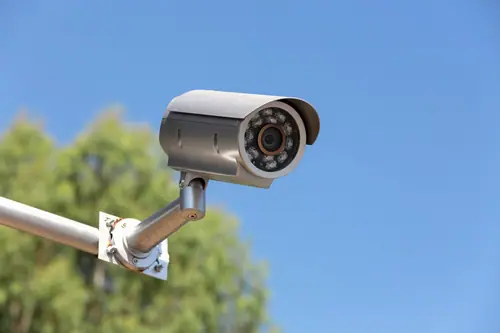
In an era where security concerns are escalating, the importance of Closed-Circuit Television (CCTV) cameras in public spaces, hotels, and university campuses cannot be overstated. These digital sentinels play a crucial role in crime prevention, investigations, and ensuring public safety. The recent tragic killing on the Kwame Nkrumah University of Science and Technology (KNUST) campus underscores the need for strategic surveillance. Reports indicate that CCTV footage has already provided vital clues that could expedite the investigation and bring the perpetrators to justice. This case highlights why Ghana must prioritise the widespread installation of CCTV cameras in critical locations across the country.
1. Crime Deterrence and Prevention
One of the biggest advantages of CCTV surveillance is its ability to deter criminal activity. Criminals are less likely to commit offences when they know their actions are being recorded. In places like hotels, university campuses, and high-traffic public areas, visible CCTV cameras act as a powerful deterrent against theft, vandalism, assault, and other illegal activities. Potential wrongdoers often reconsider their actions when they are aware they are under watchful eyes.
2. Strengthening Law Enforcement and Investigations
When crimes do occur, having video evidence can significantly aid law enforcement. The KNUST case serves as a prime example of how surveillance footage can provide crucial leads, including the identification of suspects, timelines, and movements before and after an incident. In high-risk locations like banks, shopping malls, and government buildings, CCTV recordings can help law enforcement track down criminals and build strong cases in court.
3. Enhancing Safety in Educational Institutions
University campuses should be sanctuaries for learning, not crime scenes. However, recent incidents have shown that they can also be hotspots for criminal activities, including theft, assault, and even homicide. Installing high-quality surveillance systems in hostels, lecture halls, libraries, and walkways ensures that students and staff are protected. Additionally, CCTV can help university authorities monitor unauthorized access and respond swiftly to emergencies.
4. Protecting Businesses and Hotels
Hotels, in particular, host a mix of local and international guests, making them attractive targets for criminals. Surveillance cameras in lobbies, hallways, and parking lots help ensure guest safety and prevent incidents such as burglaries, unauthorized access, and even violent crimes. Moreover, in the hospitality industry, CCTV footage can protect both guests and management from false claims, ensuring transparency in disputes.
5. Traffic and Public Safety Management
Beyond crime prevention, CCTV cameras play a vital role in monitoring road traffic, reducing accidents, and enforcing traffic laws. They help authorities track reckless driving, road violations, and incidents such as hit-and-runs. In densely populated areas like Accra, Kumasi, and Takoradi, an extensive surveillance network can enhance urban security and emergency response times.
6. Emergency Response and Disaster Management
In emergencies such as fires, riots, or terrorist threats, CCTV systems provide real-time monitoring, allowing security forces to respond swiftly and efficiently. Footage from these cameras helps emergency services understand the situation better, allocate resources effectively, and potentially save lives.
A Call to Action: Making CCTV Surveillance a National Priority
The tragic incident at KNUST should serve as a wake-up call. The government, universities, businesses, and security agencies must collaborate to expand CCTV coverage across the country. Every major facility—be it a school, hotel, or public infrastructure—should be equipped with a well-maintained and monitored surveillance system.
Investing in CCTV technology is not just about crime prevention; it’s about building a safer Ghana where people can live, work, and study without fear. The watchful eye of surveillance should not be seen as an invasion of privacy but as a necessary tool for justice, security, and peace of mind.
Latest Stories
-
Afenyo-Markin’s lawsuit against Sammy Gyamfi takes focus away from development – Kpebu
4 minutes -
FWSC urges media to guard against misinformation in proposed IPEC transition
4 minutes -
Zimbabwean author denies using AI to write award-winning story
26 minutes -
GTEC’s letter directing public universities to reopen by October 16 is unprofessional – GAUA
27 minutes -
Suspect in viral video assaulting wife jailed for 3 months
27 minutes -
GAUA insists strike will end only after Fair Wages addresses market premium issue
27 minutes -
Kpemka seeks compensation as he sues BOST over alleged unlawful termination
31 minutes -
GES asks applicants to check status of 2026 promotion applications on October 15
55 minutes -
Kobe Boujee joins Olympics.com team for Dakar 2026 Youth Olympic Games
1 hour -
Slaty egret’s shifting nesting sites offer clues to changing ecosystems
1 hour -
First phase of arrears for promoted teachers to be paid on Friday – Haruna Iddrisu announces
1 hour -
Caveman Watches partners with Mfantsipim School for 150th anniversary
2 hours -
We’ll pursue GH¢15m defamation suit against Sammy Gyamfi to its logical conclusion – Afenyo-Markin’s lawyers
2 hours -
Martin Kpebu urges Afenyo-Markin not to return to court over Sammy Gyamfi lawsuit
2 hours -
GRA submits preliminary report on drug shipment case to Mahama – Commissioner-General
2 hours