

Audio By Carbonatix
Fishermen in Ghana’s coastal waters may soon be returning home with a bumper catch of plastics instead of their highly sought-after protein.
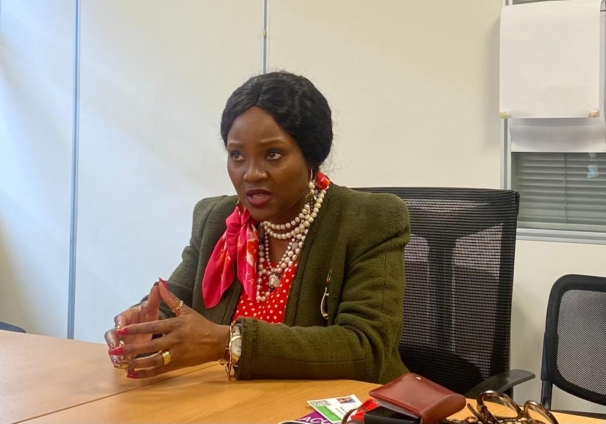
According to the Secretary-General of the Convention on Wetlands, Dr. Musonda Mumba, the continuous pollution of beaches and other Ramsar sites along the West African coastline with plastic materials has reached an alarming rate and would require immediate solutions.
The experienced environmentalist indicated that the "scientific information is showing that we are going to possibly have more plastics than fish in the sea."
Speaking to JoyNews, Dr. Musonda further explained that the Global Wetlands Outlook report issued in 2021 flagged the complexities of wetland loss, including the plastics menace, which, in her view, is getting out of hand.
Citing the Abijan Convention on Wetlands, which has countries such as Ghana as signatories, Dr. Musonda called for intergovernmental collaboration to effectively tackle plastic pollution.
The government of Ghana officially commenced intergovernmental negotiations on plastic pollution in Nairobi, Kenya, leading the pack of African countries calling for sustainable plastic production as nations worldwide attempt to formulate an internationally binding law aimed at tackling plastic pollution.
According to the Secretary-General of the Convention on Wetlands, the forum also portends significant influence over policy decisions on plastics going forward.
Ghana continues to grapple with what experts describe as a plastic menace, as an estimated 86 percent of the country’s plastic waste load is improperly disposed of, resulting in plastics clogging up stormwater drains, rivers, and streams and ending up in the oceans.
Aside from its contribution to perennial flooding, plastic waste also affects marine life and poses a danger to the global fight to tackle climate change.
"I am very much aware that one of your ministers of interior (Greater Accra Regional Minister) was even challenging a house of God, a religious institution because they were building their church in ramsar site,” she said while adding that Collectively and globally over 35 percent of wetlands have been lost since the 1900s.
"Wetlands are declining three times faster than forests. We need to be cognizant of the fact that when they decline and shrink, we are not going to have the water resources that we are supposed to be providing and this is where everybody has to get involved," the Secretary-General intimated.
Latest Stories
-
Hohoe floodwaters recede, leaving over 5,000 homeless
5 minutes -
Three arrested after drones allegedly flown over EOCO headquarters during Baffour Awuah probe
6 minutes -
Gender Ministry urges Ghanaians to see older persons as contributors, not beneficiaries
9 minutes -
Flydubai passenger describes hugging his children as plane nosedived during attack
9 minutes -
Africa’s richest man launches Kenya oil refinery despite land protests
10 minutes -
CSOs urge government to review 10,000 sq km offshore gold licences over fisheries concerns
11 minutes -
National Ambulance Service treats 8 casualties after Avenor fire in Accra
12 minutes -
Former Duffuor spokesperson, Antonio Asinyo enters NDC Youth Organizer race
13 minutes -
Zimbabwe tycoon Wicknell Chivayo and wife killed in helicopter crash
15 minutes -
Russia targets busy bridge in central Kyiv in broad daylight
15 minutes -
Putin shows no sign of stopping the war as Russia doubles down on Ukraine
17 minutes -
Gov’t outlines measures to support Ghana’s growing population of older persons
17 minutes -
Star Oil rejoins COMAC, calls for reforms to governance structure
23 minutes -
Norwegian government strengthens soybean value chain to expand market access for farmers
25 minutes -
NPP diaspora executives back proposal to allow dual citizens to contest parliamentary elections
26 minutes