

Audio By Carbonatix
The Chief Executive Officer of the Ghana Cocoa Board, Joseph Boahen Aidoo, has said he faced significant financial challenges when he assumed office in January 2017.
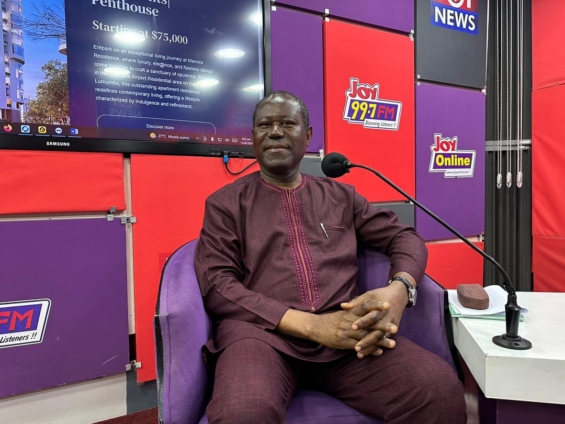
Speaking on Joy FM’s Super Morning Show, Mr Aidoo said although the previous administration secured an amount of $1.8 billion in 2016, by January 2017 no money was left when he took charge of Cocobod.
According to him, the money was spent on buying cocoa and other operational costs incurred.
“They bought about 600,000 metric tonnes before we came in. With cocoa, the peak harvest period is October, November, December, and January. So within the first quarter of the season, from October to December 2016, the previous administration bought over 600,000 metric tonnes.
“When we assumed office, there was no money, meanwhile, we had to buy cocoa till the end of the season from January to September,”he said.
Upon assuming office, Mr Aidoo said Cocobod faced the daunting task of continuing cocoa purchases without any funds available.
He said the best option was for Cocobod to seek assistance from the Bank of Ghana.
“We were forced to go to the Bank of Ghana to borrow. Within that period, we bought over 300,000 metric tonnes and we had to pay the farmers, we had to pay for haulage, the buyer’s margin, and operational costs.
“We sought help from the Bank of Ghana who became an intermediary between the Board and the consolidated banks and we got over GH₵2 billion,”he explained.
Ghana's cocoa has been ravaged by adverse weather, bean disease and illegal gold mining, which often displaces cocoa farms.
Ghanian farmers are also smuggling more beans to neighbouring countries to sell them at higher prices than the state purchasing price, further eroding what little crop is available for delivery in Ghana.
According to reports, the world’s second largest cocoa producer is looking to delay delivery of up to 350,000 tons of beans to next season due to poor crops.
Chocolate makers around the world are raising prices for consumers after cocoa more than doubled in value this year alone following a third year of poor harvests in Ghana and Ivory Coast, responsible for 60% of global production.
Latest Stories
-
‘It’s not a matter of evidence; it was a metaphor’ – Afenyo-Markin defends ‘drug lab’ comment
3 minutes -
Borrowing costs cut by more than half – Finance Minister
7 minutes -
KNUST students urged to look beyond Ghana for AI and robotics opportunities
9 minutes -
Odeibea Foundation extends energy equity initiative with solar streetlights in Akpato and Worwonyo
10 minutes -
Customs increases surveillance at ports, warns importers against concealing restricted items
13 minutes -
WERise urges women entrepreneurs to scale businesses, increase revenue and create jobs
14 minutes -
POWA calls for end to gendered attacks on Lordina Mahama, Samira Bawumia
19 minutes -
Zigx Foundation supports 50 vulnerable mothers in Akwapim North
19 minutes -
Nhyiramma Foundation calls for greater support for widows and single mothers
21 minutes -
Ghana must stop turning rivers into gutters through encroachment – Kwadwo Poku
23 minutes -
‘We’ll never compromise on quality’ – Agbodza tells Accra-Kumasi bypass supervisors
29 minutes -
Roads Minister urges motorists to drive cautiously on Accra-Kumasi Highway
29 minutes -
Hohoe MCE appeals for more relief supplies as flooding displaces residents
30 minutes -
‘Free Salomey now!’ – Women march to EOCO over Salomey Awitey Baffoe’s continued detention
32 minutes -
GES appeals to teachers to rescind strike and return to class as efforts to resolve concerns intensify
32 minutes