

Audio By Carbonatix
Research conducted by the University for Development Studies (UDS) has revealed high anxiety levels among pregnant women in the Northern Region.
The survey was conducted in health facilities in the Tamale Metropolis, Savelugu Municipal and Mion District.
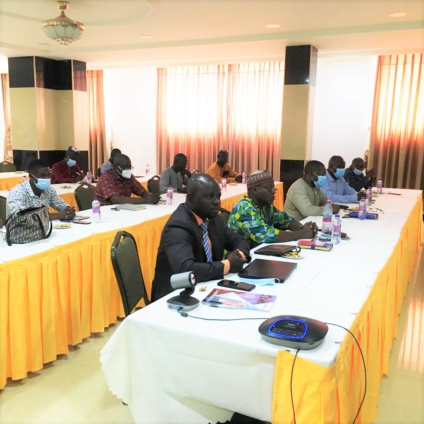
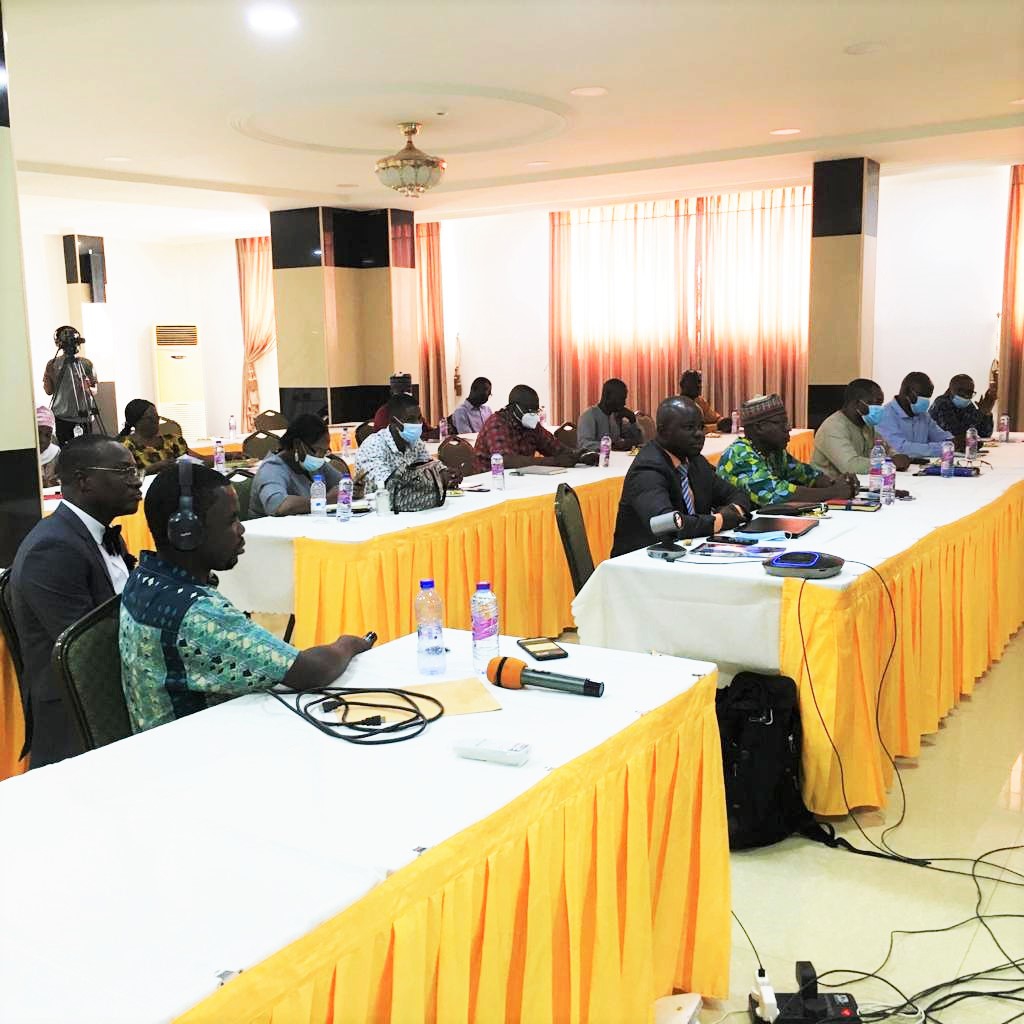
Speaking on the sidelines of an engagement dubbed 'Understanding and Measuring pregnancy-related anxiety in Northern Region', a Senior Lecturer at the UDS, Dr Gilbert Abiiro, said anxiety among women in the Savelugu Municipality and Mion District were high as compared to their counterparts in the Tamale Metropolis.
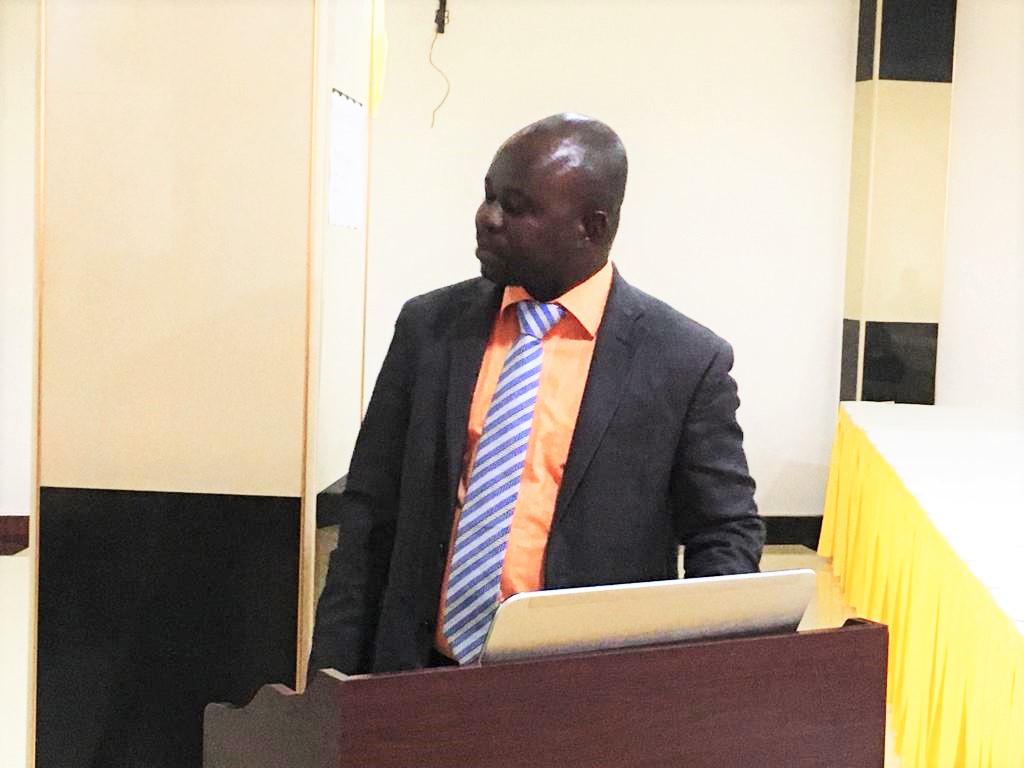
He said the reason for this disparity is because the Tamale Metropolis has more available health facilities as compared to the other areas he referred to as rural.
Dr Gilbert said issues triggering anxiety in pregnant women were not only limited to their issues but to factors from the health centres they visited.
He mentioned anaemia during pregnancy, pre-existing health conditions, challenges with daily economic activities, emotional, sexual and physical stress from spouses, among others, as some of the household triggers of anxiety in these pregnant women.
Dr Gilbert also outlined issues such as failure in the health financing system, poor attitudes of health professionals, and diagnostic errors in pregnancy as factors that trigger anxiety in the research area.
An assistant professor with Trinity College, Dublin, Ireland, Dr Kristin Hadfied, said the survey was conducted on pregnant women between the ages of 16 and 45 years in 200 hospitals and 225 other health centres, including CHPS zones.
She said 54.9 per cent of the women sampled had no formal education, with 78 per cent being Dagombas.
She added that 96.1 per cent of the women were married and lived with their husbands, whiles 57.7 per cent lived alone.
She also added that 22.9 per cent of the women previously had miscarriages.
Dr Kristin Hadfield revealed that pregnant women living with their rivals or in-laws turned to have more anxiety than those living with their husbands alone.
She also said those from affluent homes had less anxiety than those from poor homes.
Latest Stories
-
One of six inmates who escaped from Konongo police cells rearrested
2 minutes -
Sam George cautions ministers against reading unverified AI-generated speeches
6 minutes -
Ghanaian entrepreneur Mary Nyamekye Asamoah wins Africa Travel 100 award
8 minutes -
Obuasi SHTS abuse: Sanction all officials who failed to act – Moving Masculinity
14 minutes -
Lucy Agyepong honoured for excellence in engineering education at maiden GAAS Women’s Awards
16 minutes -
Harriet Afia Konadu Asiedu
23 minutes -
AFCON 2027: Sports Minister ‘convinced’ Black Stars will qualify despite losing opening two games
25 minutes -
CUTS welcomes VAT collection on cross-border digital services, urges fair treatment of Distance Learning students on overseas programmes
29 minutes -
Leave the Chiefs and fix the Galamsey Problem: Dr Solomon Owusu Advises President Mahama
32 minutes -
Pay attention to teachers and give them what is due – Ho District GNAT tells government
35 minutes -
Authorities knew of abuse allegations against Obuasi headmaster months before suspension – JoyNews investigation
40 minutes -
US teenager appears in court over alleged Hindu temple shooting plot
42 minutes -
Academic City donates paediatric rehabilitation staircase to Ga East Hospital
46 minutes -
Services drive 7.4% expansion in Ghana’s economic activity
58 minutes -
‘I don’t make music for awards, I make it to connect people’ – Rocky Dawuni
1 hour