

Audio By Carbonatix
I spent most of my clinical career overseas, much of it in stroke care. One lesson sticks. In any well-run A&E in the world, the bed is the last thing the patient needs. The first thing they need is to be sorted at the door.
When the ambulance arrives at a major teaching hospital in a system that takes triage seriously, the patient is met at the door by a triage nurse running a structured scoring system. Heart rate, blood pressure, oxygen, temperature, level of consciousness, all into one number, in under five minutes.
That number indicates where the patient goes. Resus. Majors. Minors. Or out the side door to the urgent care centre next door, because they actually have a sore throat and never needed A&E in the first place. The bed is never the question.
The question at the door is: Does this person belong here? Most days, the answer is no. And the people for whom the answer is yes get seen quickly, because the front door is doing its job.
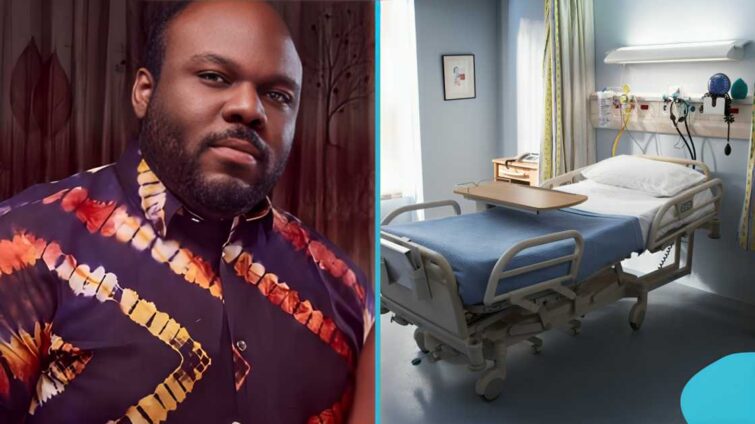
I watched the committee’s briefing at the ministry on Charles Amissah’s death this week. Nothing in it surprised me. We turned that young man away from three hospitals in three hours not because Accra had run out of beds. We turned him away because nobody at any of those doors was deciding who should be inside in the first place, and the people inside on that night were in many cases people who should never have been there.
Walk into Korle-Bu A&E on a Sunday evening and tell me what you see. It is not full of road traffic accidents and stroke calls. It is full of hypertension reviews, antenatal worries, suspected malaria, a child with a fever who has been sick three days, a young woman with abdominal pain that started yesterday, and one or two real emergencies somewhere in the corner trying to find a trolley. Those routine cases did not arrive at Korle-Bu by accident. They arrived because everybody in this country knows the same thing. The polyclinic might not have the doctor today. The district hospital might not have the drug. The CHPS compound is a small building with a midwife and a thermometer. So you skip the queue. You drive to Korle-Bu. You sit in A&E for nine hours. And when Charles Amissah’s ambulance pulls up later that night, there is no slot.
This is not the patient’s fault. They are doing the rational thing in the system we built.
The Ministry knows this. The Deputy Minister has said it on the floor of Parliament. The spokesperson Tony Goodman said it on Channel One in April. The previous administration said it. The one before that said it. Saying it has never been the problem. Doing it is the problem, and we have not done it because the politics are ugly. Tell a market woman from Madina that she should drive past Ridge and go back to her local polyclinic, and you have lost her vote and her sister’s vote. Multiply that by fifteen million voters and you understand why every health minister for the last fifteen years has shrugged at the bigger reform and announced another bed expansion instead.
If I had one ask for the Minister, it would not be another bed registry. It would be a tariff rewrite. Cut NHIA reimbursement for non-emergency outpatient attendances at the three teaching hospitals by half within twelve months. Triple the reimbursement for the same encounter at a CHPS, polyclinic, or district level. The Ministry’s actuaries can show you the numbers. The financial gravity of the system would invert inside a fiscal year. Patients go where the resources go. So do clinicians. So do drugs. Do that one thing and you will not need to build half of the emergency centres currently on the drawing board.
The bed registry is fine. The emergency care law is fine. The Burma Camp facility is fine. None of those, alone or together, save Charles Amissah. The thing that saves Charles Amissah is a front door at Korle-Bu, Ridge, or Police Hospital that is not already occupied by people who never needed to be there, because someone at a CHPS compound forty minutes earlier had the drug, the doctor, and the authority to keep them where they belonged.
Fix the front door. Count beds afterwards.
Latest Stories
-
Gov’t to suspend GH¢1 D-Levy on diesel for October and November
25 minutes -
Fire destroys belongings in Akweteyman apartment
55 minutes -
Baffour Awuah to turn himself in to EOCO today – JoyNews sources
1 hour -
Government identifies payment discrepancy holding up teachers’ strike resolution
1 hour -
BoG signals no FX intermediation for October as GoldBod plans $1bn support for banks
1 hour -
When share ownership becomes personal: The African mindset of the Dangote IPO
2 hours -
Why MFWA Legal Fund matters to Ghana’s democracy
2 hours -
Fuel prices to rise from October 1; diesel could hit GH¢19.60 – COMAC
2 hours -
Parliament must investigate how 3.9 tonnes of cocaine left Ghana undetected – Samuel Jinapor
2 hours -
Government pledges to pay striking teachers as payment dispute is resolved
2 hours -
Government cannot investigate drug exports under its own watch – Abu Jinapor
2 hours -
Government extends GH¢2 diesel subsidy for two more months
2 hours -
GTEC flags over 100 tertiary institutions as unrecognised
2 hours -
Agric Committee chair commends NAFCO for turnaround from GH¢20m debt to GH¢96m profit
2 hours -
NPP: Judicial office requires judges to surrender some personal freedoms
2 hours