

Audio By Carbonatix
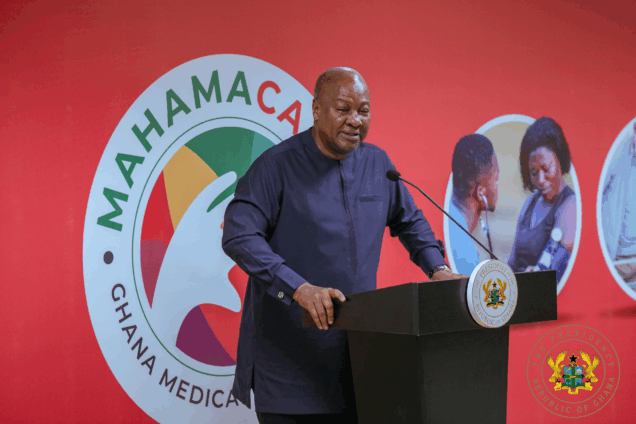
Research Fellow at CDD-Ghana, Dr. Kwame Sarpong Asiedu, says the passage of the Ghana Medical Trust Fund aka MahamaCares Bill has fulfilled a major demand from key stakeholders: the creation of a ring-fenced fund.
Speaking on JoyNews’ PM Express on Tuesday, July 29, the medical doctor recalled testing the bill’s content against outcomes from the JoyNews Stakeholder Dialogue on Non-Communicable Diseases (NCDs)
“When the bill was passed by Parliament, the first thing I did was to marry the bill against the outcomes of the stakeholder dialogue that Multimedia held,” he said.
“Because you had the patients on, you had government on, you had the health professionals on, and you had advocacy groups like me on.”
For him, the bill checks all the boxes that mattered. “It satisfies all the requirements that the stakeholder consultation was looking for,” he stated, before listing four critical elements.
“Why do I say that we wanted a ring-fenced funding?” he asked. “Now the government has said 20% of NHIS, so we exactly know where the money is coming from.”
He explained that ring-fencing meant the money must be protected from direct government interference. “It means it has to go to an entity that technically is out of the reach of government.”
He praised the creation of a trust fund as a direct response to that demand.
“So a trust fund has been set. That’s another thing that Dialogue asked for. So that has been done.”
He noted that management on behalf of patients was another demand. “A board has been set up. That has been done.”
He added that sustainability was a major concern, and the bill addresses that.
“There is an index to say 20% of NHIS,” he pointed out. “Even though I have a problem with the funding model, and we’ll come to that.
"But I’m just going by what the dialogue [said], sustainability, so you know that whatever it is, when the NHIS funding is agreed and approved by Parliament, 20% of that goes to management of chronic diseases.”
Dr Asiedu concluded by highlighting how seriously he took the match between policy and citizen input.
“I assessed the manifestos based on what the dialogue expected,” he recalled.
“I met Titus downstairs with the doctor, and I was laughing at them, and I said, you people have put proposals, but you didn’t test the proposals against what the dialogue said.”
Latest Stories
-
Mahama’s proposed airline looks to South America, Caribbean as Ghana confronts mounting drug trafficking cases
8 minutes -
5% progress on Suame Interchange Phase One inadequate – Roads Minister tasks contractor to speed up work
11 minutes -
Photos: Vice President joins GAAS Awards to celebrate outstanding women leaders
12 minutes -
OSP vs Ken Ofori-Atta, SML and others: Court gives OSP four more weeks to serve Ofori-Atta with summons
14 minutes -
High Commission sends caution to Ghanaians in South Africa ahead of planned protests
17 minutes -
Okai Mintah outlines vision for NDC Youth Wing as he engages MMDCEs
22 minutes -
Mahama Ayariga leads renewed push for stronger local governance through partnerships
26 minutes -
NDC youth organiser aspirant Okai Mintah consults MMDCEs ahead of elections
27 minutes -
PHOTOS: Ayikuma Methodist Basic School wins National Juniors Challenge
29 minutes -
Silence has entered our homes : Salomey Awiti Bafoh and the chilling effect of free expression in Ghana
30 minutes -
UG Pro-VC calls for stronger research funding to curb brain drain
32 minutes -
Woman in critical condition after shooting at funeral grounds in Yeji
34 minutes -
Breast Cancer awareness must lead to action – Deputy Health Minister
37 minutes -
UK identified as leading destination for Ghana’s illicit cannabis exports – Report
38 minutes -
Drug money allegedly finances Ghana’s political parties and real estate – Global Organised Crime Index
43 minutes