

Audio By Carbonatix
Some rubber traders and aggregators in the Western Region have raised concerns about what they describe as unfair and unsustainable practices by certain local processing factories. While efforts to promote local raw material supply to domestic factories are ongoing, these traders allege that they are being marginalised in ways that threaten their livelihoods and the broader growth of Ghana’s rubber industry.
According to some of the traders and aggregators, local processors, who depend heavily on independent farmers and traders to feed their factories, have allegedly adopted pricing models and payment systems that disadvantage those working within the value chain.
Traders: The Quiet Pillars of Rubber Supply
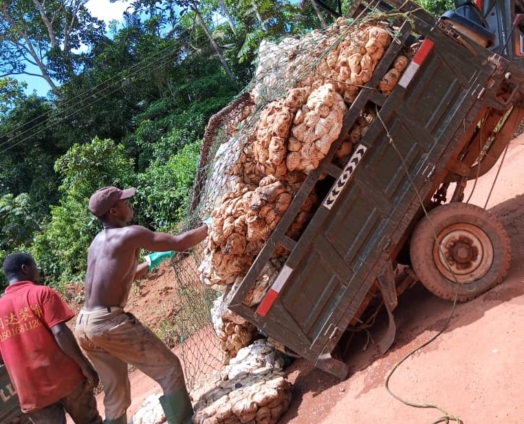
In the absence of strong plantation ownership by many processors, independent farmers and traders have become the main source of raw material. Some traders claim they now take full responsibility for managing farms, providing tappers, logistics, and interest-free loans to farmers.
“They rely on us to feed their factories, yet they treat us like a nuisance,” one aggregator alleged.
Several of them say they even rent entire plantations, manage farm operations, and transport the rubber from remote communities to the factories, often at their own cost.
Alleged Challenges
No Trader Price at Some Factories
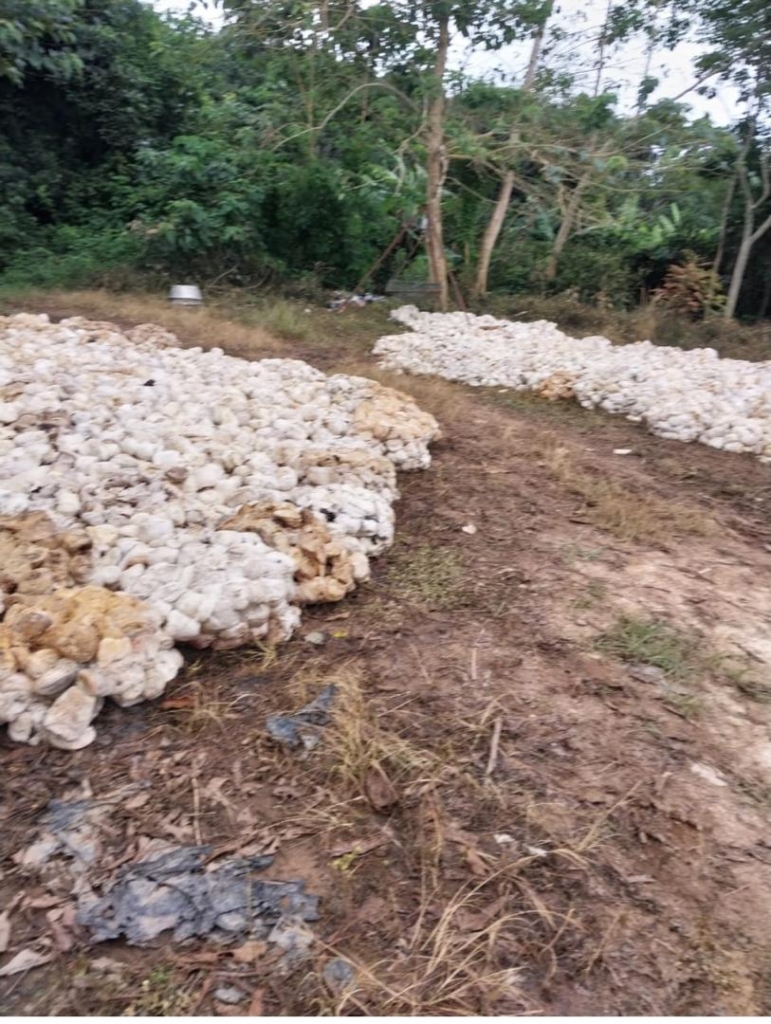
Some traders allege that certain local processors have no clear pricing structure for aggregators. They are reportedly offered the same prices given to farmers, without any consideration for water loss, transportation, loading, or minimal profit margins.
“We’re forced to sell at a loss just to stay in the game,” a trader claimed.
Unprofitable Margins
Even in instances where trader prices are offered, aggregators say they are far from profitable. “Sometimes you pay your tappers and transporters more than you earn,” another trader lamented.
Delays in Payment
Another major concern, according to the traders, is the delay in payments. While some local factories promise prompt transactions, payments are allegedly delayed for days or even weeks, stifling operations and preventing traders from re-entering the farms to buy again.

Inconsistent Absorption Capacity
Traders allege that many local processors are unable to absorb consistent supply, especially when export channels are constrained. During such times, traders who turn to local factories report experiencing abrupt price cuts or outright rejection of their goods.
“They tell us to wait, but by the time they’re ready, the rubber has deteriorated,” one trader said.
Calls for Balance and Fairness
Some aggregators are calling for the Tree Crop Development Authority (TCDA) and other regulatory bodies to step in and ensure fairness across the value chain. They argue that while strengthening local processing is important, it should not come at the expense of traders who have kept the industry afloat during its most challenging years.
“There’s a need for a proper regulatory framework that recognises our contributions and protects our investments,” a trader urged.
A Risk to the Entire Sector?
Stakeholders warn that failure to address these alleged injustices could lead to widespread abandonment of rubber farms. This could trigger ripple effects across rural economies, particularly in communities where rubber farming is a key source of income.
“If the traders withdraw, most of these farms will rot. Some may even be converted into illegal mining sites, like what we’ve seen before,” a concerned observer noted.
While the drive to encourage local processing is commendable, rubber traders and aggregators say the current path must be reconsidered. According to them, inclusive policies that protect and reward all contributors to the value chain are essential if Ghana’s rubber industry is to survive and thrive.
Latest Stories
-
51,000 teachers’ promotion arrears to be validated for October payment – Education Minister
9 minutes -
Kwabena Boamah appointed Board Chair for Impact Investing Ghana
16 minutes -
Striking teacher unions to meet Fair Wages and Salaries Commission on October 6
30 minutes -
EOCO working with AG to arraign Nana Baffour Awuah before weekend court
33 minutes -
Duraplast reassures customers after fire, announces October 5 reopening
42 minutes -
Call off strike, gov’t will not renege on promotion arrears pledge – Haruna Iddrisu appeals to teacher unions
44 minutes -
Committee set up to validate teachers eligible for 20% deprived-area allowance – Education Minister
48 minutes -
Five-member committee to search for new Black Stars coach after Sports Ministry-GFA meeting
1 hour -
Pinktober: Breast cancer survival exceeds 90% when detected early – Breast Society of Ghana
1 hour -
TCDA to adopt Upper West’s MATCO mango farm as northern prototype, issues warning against felling shea trees
2 hours -
‘Fear delegates’ tag: Afoko touts genuineness among delegates ahead of NPP delegates conference
2 hours -
John Boadu: The leader our party needs at this time – Amb. Edward Akwasi Boateng
2 hours -
Baffour Awuah: EOCO arrested, detained MP after hours of waiting, questioning – Afenyo-Markin
2 hours -
EOCO court warrant authorised search of Baffour Awuah’s law firm, not residence – Afenyo-Markin
2 hours -
NPP delegates conference: 3,000 to 4,000 police personnel deployed for security in Kumasi – Anthony Karbo
2 hours