
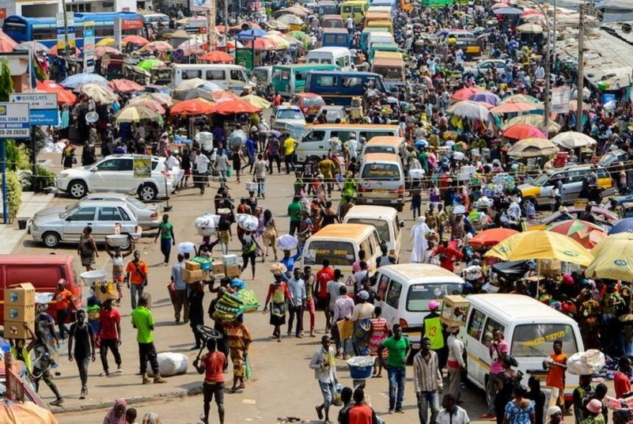

Audio By Carbonatix
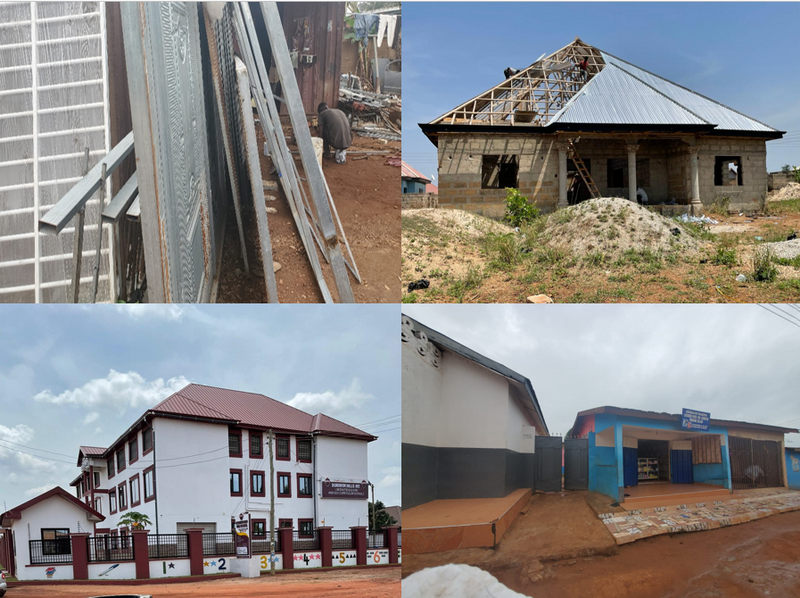
Ghana’s housing sector continues to be dominated by self-builders—individuals and households constructing their own homes—who account for 90% of the approximately 45,000 housing units delivered annually.
And according to the 2024 Ghana Social Development Outlook (GSDO) report by the Institute of Statistical, Social and Economic Research (ISSER) of the University of Ghana, the self-build sub-sector receives limited policy support despite its size and contribution to local economies and employment.
Highlights of the report presented by Dr. Martha A. Awo, Senior Research Fellow and Head of ISSER’s Social Division during the launch last Thursday, July 10, notes that poor land access and spatial planning, inadequate infrastructure such as roads and drainage, and the lack of sustainable building education remain key challenges.
The report provides detailed insights into the country’s pressing development issues and policy recommendations across education, health, housing, employment, water and sanitation, climate, gender, governance, and population.
Among other recommendations to enhance the housing sector, the report calls for improved land management in collaboration with state and traditional authorities, the provision of infrastructure support and the enforcement of urban planning laws, as well as support for self-builders through direct interventions and improved macroeconomic conditions.
Employment: Tackling Youth Unemployment
According to the report, Ghana’s youth continue to face high unemployment due to a mismatch between training and job market needs, and limited decent job opportunities.
While initiatives like the Nation Builders Corps and Youth in Agriculture Programme have been introduced, their effectiveness remains mixed.
Underlying the unemployment hurdle is lack of alignment between training market needs. There is also the lack decent work standards where beneficiaries are placed, while the youth are rarely involved in programme design.
The report calls for fit for purpose training, the provision decent, sustainable jobs, the inclusion of youth voices in policy and programme design and the conduct of tracer studies to measure long-term impact.
Water and Sanitation
While the Greater Accra Metropolitan Area Sanitation and Water Project (GAMASWP) has improved access for thousands, significant challenges persist.
Key Findings:
- 34,541 household toilets built, reducing open defecation
- Over 1,000 new water points and 6,000 household connections
- Challenges include irregular water supply, poor pressure, and high connection costs
Recommendations:
- Address infrastructure gaps and affordability issues
- Improve targeting of subsidies to reach the most vulnerable
- Strengthen community engagement for sustainability
Climate and Environment
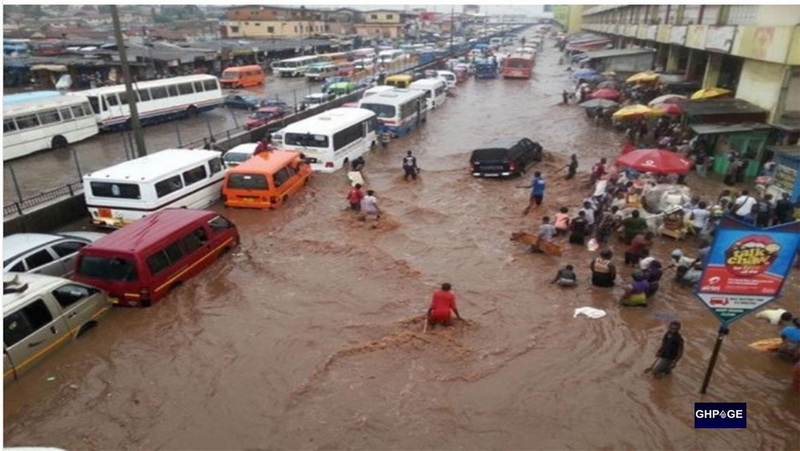
The report examines how awareness of Ghana’s climate commitments, particularly the Nationally Determined Contributions (GH-NDCs), affects public anxiety.
Findings:
- 88% of households unaware of GH-NDCs
- 55% report climate anxiety, especially among the educated
- Climate knowledge both increases anxiety and encourages adaptation
Recommendations:
- Expand climate education using media and schools
- Provide psychological support alongside climate actions
- Use anxiety constructively to promote behavioural change
Gender and Agribusiness: Bridging Inequality
Women, who provide 60% of labour in smallholder agriculture, face persistent gender inequalities in income, land ownership, and market access.
Challenges:
- Only 30% of women own land
- Inadequate credit access
- Poor roads and transport leading to post-harvest losses
Recommendations:
- Ensure equitable access to resources and fair pay
- Include women in agricultural governance
- Improve infrastructure in farming communities
Governance: A Democracy in Tension
Drawing on Afrobarometer data, the GSDO reflects on citizen attitudes towards governance over the Fourth Republic.
Findings:
- Support for multiparty democracy remains strong
- Rising discontent linked to poor service delivery and economic hardship
- A small but growing tolerance for military rule is emerging
Recommendations:
- Push back against harmful external policy prescriptions
- Rethink governance beyond electoral formalities
- Strengthen public service delivery to maintain democratic stability
Population and Urbanisation: Managing Growth and Inequality
Ghana’s population grew from 6.7 million in 1960 to 30.8 million in 2021, and is projected to reach 37.2 million by 2030. The country is rapidly urbanising, with Greater Accra alone projected to hold 18.9% of the population by 2030.
Key Observations:
- Shift from a child-dominant to a working-age population
- Urbanisation rising rapidly, with major regional disparities
- Greater Accra sees highest net-migration gains; Volta Region sees the largest losses
Policy Implications:
- Equip the youth with education and job opportunities
- Address urban-rural disparities and land-related conflicts
- Focus on elderly welfare and regional development equity
Speaking at the launch, Professor Peter Quartey, Director of the Institute of ISSER, called on industry players and private sector actors to actively support research and dissemination initiatives to help shape public policy and foster inclusive national development.
He also reaffirmed ISSER’s commitment to inclusive, evidence-based development and called for a collective effort to ensure that research continues to play a central role in shaping Ghana’s future.
The Executive Director of the Ghana Integrity Initiative (GII), Mrs. Mary Awelana Addah, who chaired the report launch underscored the need for Ghana’s development agenda to be rooted in justice, inclusion, and public participation.
She applauded ISSER’s effort to integrate not only statistics and data, but also broader implications for equity, dignity, and social inclusion in the GSDO.
Latest Stories
-
Stakeholders demand action against foreign-led illegal mining in Ahafo Region
1 hour -
Ghana handed tricky draw at 2026 Amputee World Cup
1 hour -
2024 Nyankpala election violence: Youth group petitions authorities over slow probe
1 hour -
Ghana, UNICEF strengthen partnership to advance child protection
2 hours -
Day Two of 3rd Republic Bank-JoyNews Habitat Fair ends with great homeownership offers and financing solutions
2 hours -
Guinness Ghana DJ Awards 2026 Pub Fest celebrates Ghana’s DJ culture as Accra turns up the energy
2 hours -
10th woman found dead in South Africa’s string of killings
2 hours -
French Embassy trains Ghana Police CTU in counter-terrorism operations
3 hours -
UPSA uncovers mass results manipulation involving 178 students, over 500 results compromised
3 hours -
ECG announces planned power outages in parts of Tema from Sept. 29 to October 1
4 hours -
Sylvester Mensah urges Latenu FM to promote trade, export opportunities in Ga
4 hours -
Ga language under threat of decline as children shy away from speaking it – Sylvester Mensah
4 hours -
‘Let every Ga child you raise know the Ga language and story’ – Sylvester Mensah
4 hours -
‘We are not deterred’ – Ablakwa responds to backlash over South Africa evacuation
4 hours -
Day Two: Republic Bank-JoyNews Habitat Fair gains momentum at Junction Mall
5 hours