

Audio By Carbonatix
Eight girls trafficked to Ghana to be sex workers have been rescued, with seven of them repatriated to Nigeria by the Ghana Police Service and the Cape Coast office of the Social Welfare Department.
The young girls, aged between 15 and 22, were trafficked into the country under the pretext of securing them white-collar jobs to enable them to improve their standard of living.
Two of the girls were rescued at Diaso, the Upper Denkyira West District capital, three at Mankessim in the Mfantseman Municipality, and three at Assin Awisen in the Assin South Municipality of the Central Region.
However, a 22-year-old lady among them was later freed by the Department when the caretaker of the Social Welfare Shelter reported that she was causing problems at the home.
Mr Alexander Ofosu Yeboah, the Unit Head in-charge of the Children Residential Home of the Department, in an interview with the Ghana News Agency, said human trafficking cases were mostly high during vacations.
The rescued girls were repatriated through the International Organisation for Migration after identifying their families in Nigeria.
He said the perpetrators deceived the victims, who were secondary school girls, of providing basic needs and giving them jobs that could change their lives and make them comfortable.
According to Mr Yeboah, the rescue mission was possible based on intelligence gathered by the police and the victims reporting the incident to them after realising they had been deceived.
The Department provided shelter for them throughout their stay in the country until they were identified and sent back to their country.
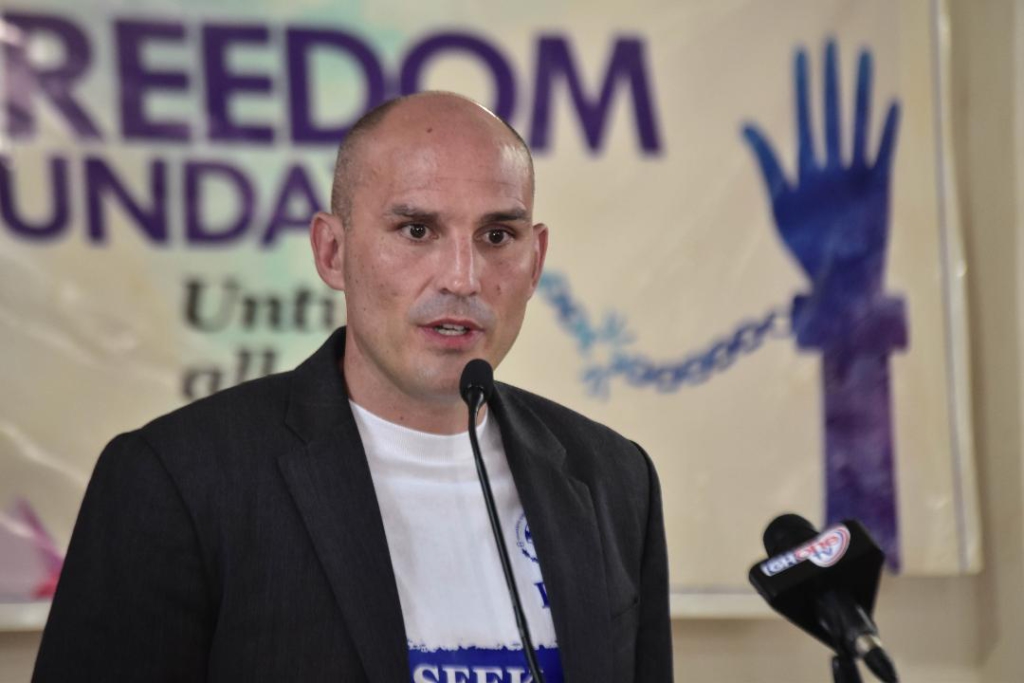
The perpetrators, all Nigerians, are on the run except one female who was arrested and sentenced to five years imprisonment in hard labour, Mr Yeboah said.
The menace was rife in mining, farming, and fishing areas of the region where many trafficked girls were sent to engage in sexual activities for their masters, he said.
Mr Yeboah said human trafficking is an inhuman practice that negatively affects the future of its victims and needed collective efforts to reduce to its barest minimum.
Laws governing human trafficking must be strictly enforced to scare perpetrators from involving in the act, he noted.
On challenges confronting the Department, Mr Yeboah said, sadly perpetrators of trafficking were mostly freed or released due to the 48- hour clause in police cells.
He said since most of the perpetrators were foreigners, granting bail was not guaranteed because they had no relative or family member in the country to stand in for them.
He, therefore, appealed to the Government to either extend the 48 hours period for trafficking perpetrators or enact a law to process them for court right after arrest.
Latest Stories
-
GPL 2025/26: Dreams FC stage stunning comeback to hammer Eleven Wonders
2 hours -
Livestream: The Probe examines Kumasi’s looming water crisis
2 hours -
MTN Ghana gears up to lead Africa’s AI revolution
2 hours -
Philanthropist Alhaji FuZak donates Da’wah bus to Ambariya Sunni community
2 hours -
GUTA calls for suspension of Publican AI system over trade disruptions
2 hours -
TTAG raises alarm over proposed recruitment of 7,000 teachers, demands national posting roadmap
2 hours -
Civilians feared killed after reports of air strike on Nigerian market
3 hours -
Bishop Simon Kofi Appiah installed as new Jasikan Diocese Bishop
3 hours -
Trump’s Strait of Hormuz blockade threat raises risks and leaves predicaments unchanged
3 hours -
US Court backs extradition of former MASLOC CEO Sedina Tamakloe-Attionu to Ghana
3 hours -
Seven arrested as NAIMOS dismantles illegal mining camp, seizes firearms at Boin River
3 hours -
Fire erupts at Madina Ritz Junction, destroys multiple wooden structures and containers
3 hours -
Daniel-Kofi Kyereh returns from long-term injury, registers assist for Freiburg U23
3 hours -
Knifeman calling himself ‘Lucifer’ slashes three at NYC’s Grand Central
4 hours -
Brands are built from within to without
4 hours