

Audio By Carbonatix
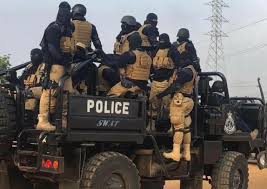
Vigilantism has been identified as the topmost security threat to the peaceful conduct of the 2020 elections on December 7, a survey by the National Commission for Civic Education (NCCE) has established.
The survey also established that the main causes of vigilantism was political influence and it also confirmed that young people, especially heavily built men, popularly known as ‘macho’ were prone to be used by politicians and political parties for the perpetration of violent acts.
The NCCE survey, made available to the Ghana News Agency, classified vigilantism as an emerging violent trend that the use of arms had increased, contributing largely to electoral violence.
Titled: “Election 2020 - matters of concern to the Ghanaian voter,” the survey had 9,541 respondents from all the 275 constituencies. The data was collected in September 2020.
To curb vigilantism, it recommended the need for government to guarantee the independence of state security services to enforce the laws.
To prevent violence during elections, the study recommended the increase in security presence at the various polling stations and intensification of public education by the NCCE on peaceful co-existence, with a special focus on the youth.
On the use of arms and its contribution to electoral violence in Ghana, majority of the respondent supported the fact that counter-arms could disrupt the peace before, during, and after the general election.
The survey also established that majority of Ghanaians were ready to tolerate the views of others before, during and after the general election, which was a positive element for controlling electoral violence.
The NCCE Chairperson, Josephine Nkrumah said the survey was to explore the willingness of the people to cast their ballots.
It would also serve as a database to provide political parties, presidential and parliamentary candidates with information to address key issues of concern and generate content to inform the Commission’s educational engagements.
The NCCE Chairperson said the survey was the fifth quantitative study to be conducted by the NCCE since 2004 on matters of concern to the Ghanaian voter.
Latest Stories
-
CAF Confederation Cup: Dennis Korsah confident Nations FC can overturn Mali defeat
3 minutes -
‘Avoid political comments’ – Domelevo advises Chief Justice
47 minutes -
‘I don’t trust OSP’ to probe GH¢70k ‘bribe’ allegation – Kwasi Kwarteng
1 hour -
Road inspections not to witch-hunt contractors – Kwame Agbodza
1 hour -
Inter Milan mount stunning comeback to beat Napoli
2 hours -
Modric plans to play for Croatia past 41st birthday
2 hours -
Bayern fail to score for first time in 59 games
2 hours -
Bawumia preparing new cocoa policy package for farmers – Annoh-Dompreh
2 hours -
Wa-Tumu-Bolga road upgrade will unlock agriculture, trade – Agbodza
2 hours -
Ghana Maritime Authority readies oil-spill response vessel for deployment
2 hours -
Ayariga turns to drones, AI to tackle Agbogbloshie waste mountain
2 hours -
Agbogbloshie waste heap must go – Mahama Ayariga declares
2 hours -
Government to upgrade all rural telephony sites to 4G – Communications Minister
2 hours -
Rural calls, data to become cheaper by Q1 2027 – Sam George
2 hours -
Labour minister urges ministries to show job-creation impact in budget proposals
2 hours