


Audio By Carbonatix
Breast cancer is the most commonly diagnosed cancer, but care for people with the disease has improved, and so have survival rates.
According to the global cancer Observatory, Breast cancer is the leading cause of cancer death among women in Ghana, with 4, 482 cases and 2, 055 deaths in 2020.
Though the incidence is lower in sub-Saharan Africa (SSA) compared to North America, current estimates suggest cases are increasing. This means that, improvement has not equally covered everyone.
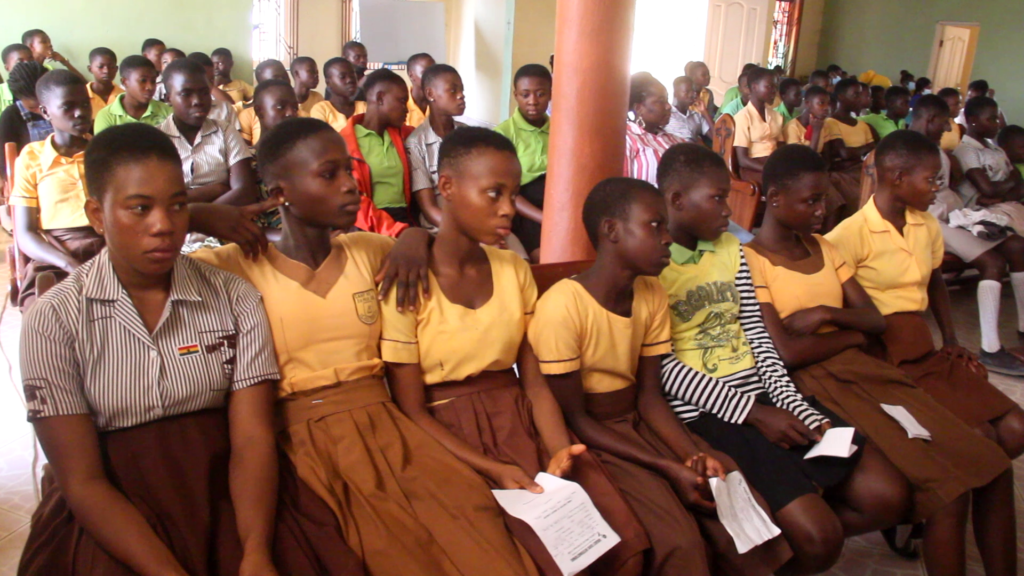
As with other diseases, people with breast cancer in rural Ghana are less susceptible to early diagnosis and treatment.
Dr. Mrs. Beatrice Wiafe Addai, President of Breast Care International (BCI), explains at Adwafo, a community near Kuntenase in the Ashanti region that, rural communities have higher cases of cancer, but that cannot continue.
It is important to understand the rural-urban disparities in breast cancer diagnosis and treatment to ensure that women do not die from preventable and curable disease.
That's why Dr. Addai is focusing on rural Ghana to save women in order to avoid unnecessary deaths.
“We should tilt our activities ( to rural communities) so that those people in these deprived communities will benefit from the free education and screening offered," she noted.
The point at which cancer is diagnosed determines the impact on treatment, recovery, and survival. The earlier breast cancer is detected and treated, the higher the survival rate. Unfortunately, rural women are less likely to be screened for breast cancer than urban women.
Dr. Addai is concerned about the continuing disparity between urban and rural women in breast cancer screening.
Rural women cannot afford to travel, prevent, and treat breast cancer or follow-up on an abnormal mammogram compared with their colleagues in the urban areas.
According to Dr. Addai, immediate follow-up after abnormal screening is crucial to treating cancer.
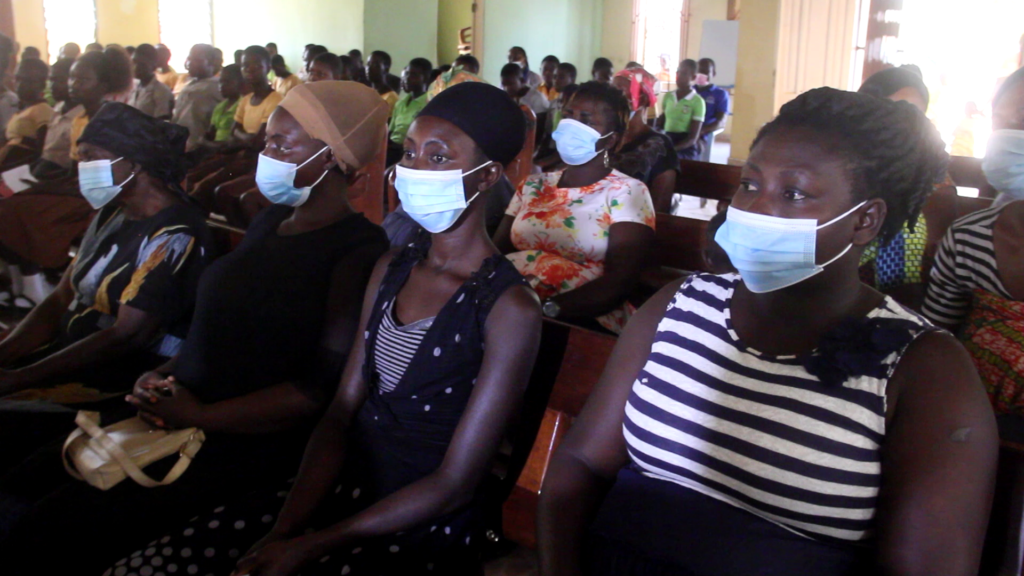
"We believe that where a woman lives should not determine whether she should survive or die from breast cancer, so we need to send the information to those in the communities. Do we have any palliative units and care-givers at these areas? We then need to educate the people and train more nurses to be stationed there to offer medical care to breast cancer patients.”
As part of Breast Care International’s rural community outreach programme aimed at educating and sensitizing rural folks, Dr. Addai said they need financial support to reach an equitable number.
John Davies of Compass Ghana, Katie Eccles, registered nurse specialist, both UK nationals and the medical team from Peace and Love Hospital were part of those who provided the free breast cancer screening and education.
Latest Stories
-
Chef Abbys: Feeding 50,000 people, putting food security on Ghana’s agenda
15 minutes -
Ho set to host Republic Bank–JoyNews Habitat Fair as multiple firms prepare to showcase housing solutions
23 minutes -
NPP demands public inquiry into alleged $600,000 World Cup visa fraud, wants Sports Minister, GTA CEO summoned
30 minutes -
I want my brand to be bigger than just music – Yaw Wazinga
33 minutes -
Houthi missile attack on Yemeni presidential palace kills two, minister says
34 minutes -
I hoped to win an award; I worked hard – 2026 Best Graduating Law Student
44 minutes -
Fraudsters increasingly target bank customers instead of banking systems – Fraud detection expert
44 minutes -
44 teacher sexual abuse cases tracked since 2015; school heads feature in 40% of recent cases — JoyNews Research
47 minutes -
Unchecked imports and the Middle East crisis threaten Ghana’s fragile food inflation anchor
1 hour -
Ecobank Junior Saver Big Pitch to reward 10 winners with GH¢2,000 each
1 hour -
AMA demolishes unauthorised pigsty obstructing Agbogbloshie waste evacuation exercise
1 hour -
I was filled with disbelief – Akosua Achia Sarpong Esq. shares her first reaction
1 hour -
Snake Village: A look at Volta Region’s hidden snake village and its tourism potential (Video)
1 hour -
Election Watch Ghana calls for constitutional reforms to strengthen Electoral Commission independence
1 hour -
NACOC, Postal and Courier Services Regulatory Commission intensify efforts to curb drug trafficking
1 hour