

Audio By Carbonatix
World Bank (WB) Country Director to Ghana, Pierre Frank Laporte, says Ghana’s energy sector debt is a major contributor to her debt woes.
In an interview monitored by GNA, the country director indicated that his outfit had identified certain factors that were driving the country’s debt situations.
According to Mr Laporte, one of the factors the bank has identified is the energy sector.
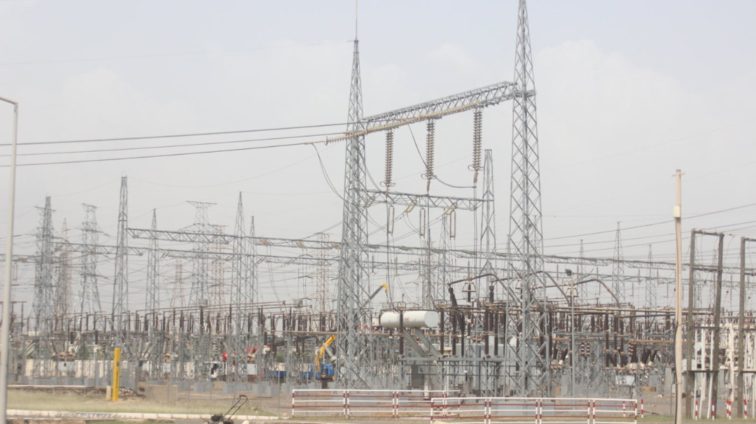
He said the deficiencies in the sector characterised by the tariff systems and management issues coupled with expensive power purchases by the state in addition to the transmission losses, were the major problems in the energy sector driving Ghana’s debts.
He said the mismatch between the production cost of the Independent Power Producers (IPPs) vis-à-vis how much consumers paid led to an upsurge of debts since the Government could not make financial commitments to them (IPPs).
Mr Laporte also said the Power Purchasing Agreements (PPAs) the Government had signed were expensive. In addition to the exorbitant power purchases the country was paying for energy it does not use due to the ‘’take or pay contracts.’’
‘’In the case of Ghana, those contracts that have been signed as PPAs are just expensive and the kind of PPAs signed are take or pay. You pay although you do not use it. The fact is that in the past few years, Ghana entered into an agreement at the wrong rate and the wrong price, and it has impacted the debts situation.’’
He asked the Government to pursue some reforms in the areas of tariff adjustments, addressing the transmission losses through improved infrastructure and restructuring the power purchasing agreements consistent with the energy demands of the country to reduce a significant portion of the debts.
The WB Country Director acknowledged the progress made thus far via the recent increment and subsequent approval in tariff by the Public Utility Regulatory Commission (PURC), saying much could be achieved if the intended reforms in the energy sector were implemented.
He subsequently advised the Government to take advantage of the West African Power Poll, to provide cheap electricity for its people and industry.
According to the Fitch Ranks, the energy sector is the biggest driver of the national debt as the West African Country currently owes independent power producers to the tune of $1.58 billion.
Fitch Ranks also says the country had initially reached out to the IPPs to restructure their debts in view of the External and Domestic Debt Restructuring but the companies objected to the proposal.
Latest Stories
-
ISS cooperation offers lessons for resolving conflicts on earth – Russian cosmonaut
3 minutes -
Laboma demolition: 48 Engineer Regiment denies claims of no prior notice
11 minutes -
Photos: Young Africans join global delegates in Russia for 2026 IYF
13 minutes -
100 young journalists lead coverage of International Festival of Youth in Russia
13 minutes -
Business owners, residents pack up belongings amid demolition at Laboma
15 minutes -
US Rep. Tom Tiffany says he sustained minor injuries after plane makes emergency landing
19 minutes -
Ebola infections top 7,000 in Democratic Republic of Congo, government data show
19 minutes -
Critics celebrate Céline Dion’s ‘high-stakes’ comeback show in Paris
20 minutes -
New report of attack on Strait of Hormuz shipping fans fears of threats to oil supplies
20 minutes -
African delegates join IFY 2026 clean-up, collect 22 cubic metres of waste from Russian lake
22 minutes -
48 Regiment Engineers leads demolition exercise at Laboma Beach resort
38 minutes -
Laboma demolition: Laboma Director calls for halt, says over 3,000 workers at risk
38 minutes -
CIMA President Alfred Ramosedi to engage Ghana’s finance, business leaders
1 hour -
Digital skills training producing solution-driven youth for Ghana’s future – Sam George
2 hours -
GNFS responds to fuel tanker accident and house fire in Eastern Region
2 hours