

Audio By Carbonatix
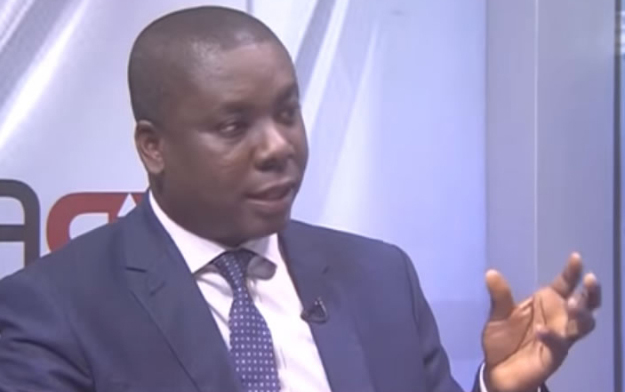
The spokesperson for Vice President Dr. Mahamudu Bawumia, Dr. Gideon Boako, has identified land acquisition challenges as the primary cause for delays in the completion of hostel facilities intended for head porters, commonly referred to as Kayayei.
Speaking on the matter, Dr. Boako underscored the importance of these hostels in providing a stable living environment for head porters, thereby facilitating their involvement in technical and vocational education and training (TVET) programs.
In an interview with Citi FM, Dr. Boako elaborated on the obstacles posed by land acquisition issues, which have significantly impeded the progress of many of these projects.
He emphasised the critical role that the completion of these hostels plays in addressing the housing needs of Kayayei and enabling their access to educational and training opportunities.
Dr. Boako highlighted the broader objectives of the TVET initiative, stating that it aims to establish a framework for managing migration inflows and devising employment strategies tailored to the needs of the Kayayei community.
By providing access to education and training within a supportive environment, he insisted that these initiatives seek to empower these individuals with the skills and resources necessary to improve their socioeconomic prospects.
The spokesperson reiterated the government's commitment to addressing the challenges faced by Kayayei individuals, particularly in securing stable housing and accessing educational opportunities.
He emphasised the importance of collaborative efforts between government agencies, local authorities, and relevant stakeholders to overcome barriers such as land acquisition issues and expedite the completion of hostel projects.
“We started from Agbogbloshie and land was given, and it became a whole tussle. There was another consideration with the Roman Catholic Church, partnering with Father Campbell, and we wanted to do that jointly with the Soup kitchen.
“There were some commitments from some of the landowners in Accra at a point, and it became a problem. I remember we had to go to the Ashanti region. We were looking for land, and we got some land at Bantama but people living around complained, and the main delaying factor was the land issue. Other than that, the government was prepared, and funding was available for this to be done," he said.
Latest Stories
-
Strong Day 1 turnout sets tone for Day 2 of Republic Bank-JoyNews Habitat Fair Clinic
27 minutes -
Ghana Army warns new soldiers against social media misuse, uniform abuse
33 minutes -
AMA calls for science-led action to tackle environmental health risks in Accra
46 minutes -
He entered at eight. He is now 16: Ghana’s children growing up in prayer camps
5 hours -
‘Development must not always begin from Accra’ — Anwelle Foundation launched in Jirapa
5 hours -
PKO trio eye victories at Odwira Festival
7 hours -
346 Ghana Navy recruits pass out after 26 weeks of intensive training
7 hours -
Newsfile to discuss EOCO-MP arrest, drug trafficking, speech arrests and $235m water debt
8 hours -
JoyNews gets results as listeners raise GH¢40,000 to help 17-year-old student with cerebral palsy attend SHS
8 hours -
Vice President calls for stronger local pharmaceutical production to reduce medicine imports
9 hours -
The brewing tension at KNUST; Beware the Ides of October….
9 hours -
Health Ministry moves to integrate traditional medicine into mainstream healthcare
9 hours -
550 pupils in Kintampo South get educational lifeline as ‘Seeds of Hope’ reaches farming communities
10 hours -
Opoku Mensah urges Christian Council, House of Chiefs to speak up on democratic freedoms
10 hours -
Teacher unions’ strike: Minority demands immediate payment of teacher arrears, 20% deprived area allowance
10 hours