

Audio By Carbonatix
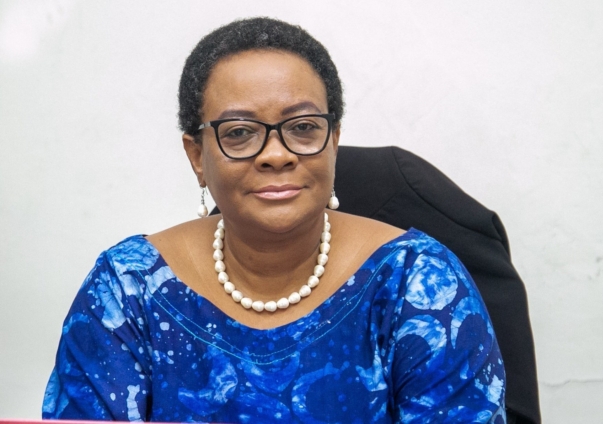
The Executive Director of the Ghana Integrity Initiative (GII), Mary Awelana Addah, has called for measures to address the rising instances of single-sourcing procurement practices within the public service.
She emphasised that while single-sourcing is legal under specific conditions, its increasing use has raised concerns about public sector corruption.
Single-sourcing procurement involves the buying entity selecting a particular supplier without opening the process to competitive tender.
This method, though legal under certain circumstances, is often seen as a gateway for corrupt practices within the public sector.
Madam Addah highlighted that many stakeholders have linked the prevalence of corruption in the public sector to the frequent use of single-sourcing procurement.
She argued that relying on a single supplier without competition undermines transparency and accountability in the procurement process.
To combat this issue, the GII Executive Director recommended that public procurement should be subjected to a competitive tendering process.
She believes that this approach would help eliminate corruption by ensuring that all suppliers have an equal opportunity to bid for contracts, thereby promoting fairness and transparency.
Madam Addah's call for reform comes amidst growing concerns about the integrity of public procurement practices.
She stressed the need for stringent measures to ensure that public procurement processes are fair, transparent, and free from corruption, ultimately contributing to better governance and public trust.
“Out of the total procurement window, almost 85 per cent of it is done through a single source. And if it is a single source, it means there are a lot of compromises being reached."
“If people are buying school materials, textbooks, and the rest in the education sector, health items, and we are procuring them through single source procurement, while the IMF has recommended that we do a lot more of the competitive tendering, then it means we are compromising on the regime and that affects mostly the private sector.”
Latest Stories
-
Ghanaian youth demand 40% of climate adaptation budget for four northern regions
57 minutes -
Wengam cautions African pastors against materialism, complacency
1 hour -
Nine of the best TV shows to watch this September
2 hours -
Lionel Messi scores 4 goals as Inter Miami net 7 in record win
3 hours -
‘No alcohol on duty’ — Bagbin warns parliamentary security officers
3 hours -
Canada installs large Lake Ontario sign in latest jab at US
4 hours -
Sand-winning destroys over 50 acres of farmland at Tsumkpo
4 hours -
Akufo-Addo praises Dagbon for upholding Peace Accord
5 hours -
Ghana High Commission to UK steps in as stranded musician Barosky considers returning home
5 hours -
Norway’s new king remembers ‘my dear father’ in first speech
6 hours -
5 Fiscal Council members cleared
6 hours -
At least 37 dead and hundreds evacuated after strike on Kyiv weapons depot
7 hours -
Guinea-Bissau chosen to pilot ECOWAS community health policy
7 hours -
Health service support centres to give patients in 3 West African countries a stronger voice in healthcare
7 hours -
Thieves steal 600-diamond necklace from Vienna museum in broad daylight
7 hours