

Audio By Carbonatix
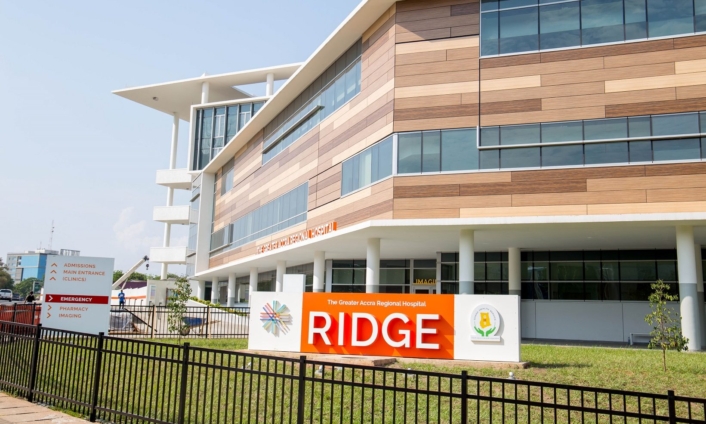
In March 2024 when the Global Fund threatened to suspend the shipment of crucial medical supplies to Ghana citing delays in clearing previous donations stuck at the Tema Port, the ripple effect was felt.
"As I sit here, those ARVs have not arrived. In fact, they cannot be traced," President of the National Association of Persons Living with HIV Elsie Ayeh said when the development came up.
In a Myjoyonline.com publication at the time, Mrs. Ayeh feared that the delays in releasing malaria commodities, such as malaria medicine, which arrived at the port in May 2023 and its untimely distribution could have increased malaria cases.
For thousands of Ghanaians living with HIV, each day became a battle against uncertainty. Their lifeline, antiretroviral drugs, risks running dangerously low, when stockpiles are depleted. With no clear answers on when or if new supplies will arrive, frustration and fear are mounting.
Even the Ghana Medical Association (GMA) weighed in and indicated that some facilities are already relying on others for important medications.
Now imagine this sentiment, but this time on a larger scale and for a reason that no one saw coming… well almost.
The US sneezed and Africa caught cold.
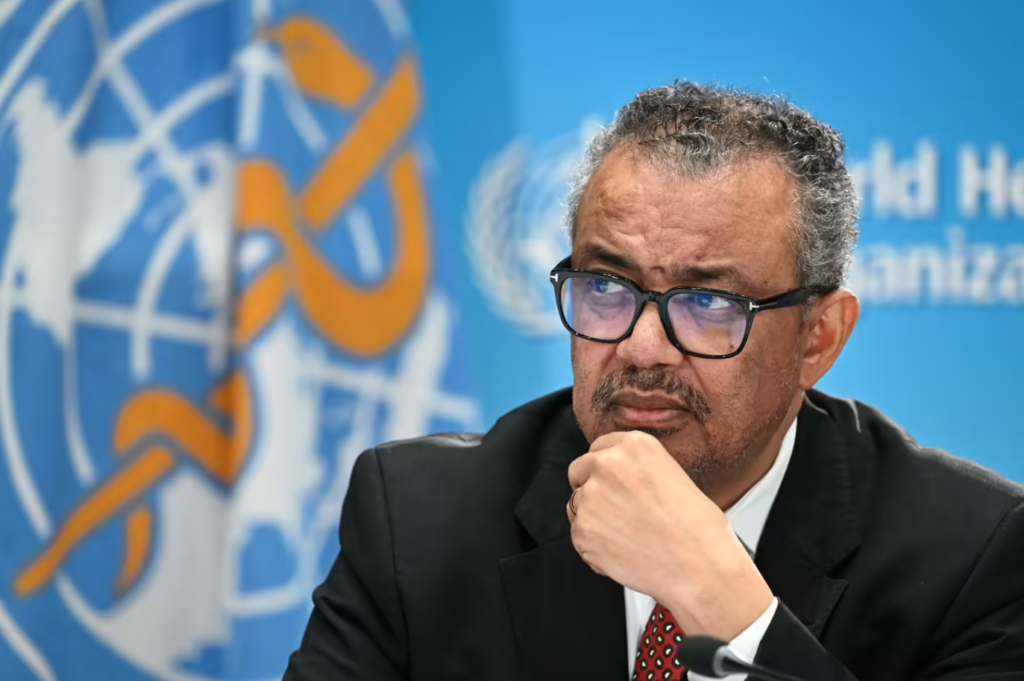
U.S. President Donald Trump withdrew the United States from the World Health Organization (WHO) on Day 1 in office, a move which has triggered a new potential crisis that threatens the fragility of global health supply chains and the dire consequences of disruptions.

WHO said in a statement it “regrets” Trump’s announcement and that it looks forward to constructive talks to maintain a partnership with the United States “for the benefit of the health and well-being of millions of people around the globe.”
The United States is generally scaling back its foreign aid commitments, and Ghana stands to lose a significant amount in the process.
With annual U.S. assistance averaging over $130 million, the withdrawal of aid will have notable implications for sectors such as health, economic growth, agriculture, education, and governance.
How Much Ghana is Losing
In the past year, Ghana received over $150 million in bilateral support from the United States Agency for International Development (USAID).

This year, Ghana had submitted a request for $138.7 million in aid under USAID, according to the Foreign Assistance Discretionary Request Report from USAID.
With the withdrawal of aid, this amount will not be disbursed, leaving critical funding gaps in key development areas like education, heath climate, agriculture, gender and digital technology.
The U.S. has historically been one of Ghana’s largest bilateral donors, contributing funds toward social and economic development. A report from the U.S. Department of State indicates that Ghana received over $500 million in development assistance over the past five years.

The withdrawal of such aid is expected to create a financial strain on crucial government programs and services.
The Impact on the Health Sector
One of the most affected sectors will be health. This year alone, Ghana requested about $69.2 million in aid for health-related programs. These funds were earmarked for tackling malaria ($28 million), strengthening health security ($9 million), improving maternal and child health ($13.25 million), supporting family planning and reproductive health ($13.5 million), and addressing nutrition ($5.5 million) challenges.

The potential funding shortfall could disrupt malaria prevention programs, including the distribution of insecticide-treated nets and medical supplies. According to Ghana’s Ministry of Health, U.S. aid contributes significantly to the procurement of essential medicines and capacity-building initiatives for healthcare professionals.
Without these funds, the burden on Ghana’s already stretched healthcare system may increase, leading to negative health outcomes for vulnerable populations.
HIV/AIDS Programs Take a Hit
The U.S. has been a major partner in Ghana’s fight against HIV/AIDS through the President’s Emergency Plan for AIDS Relief (PEPFAR). Since 2007, the program has invested over $132 million in efforts to prevent the spread of HIV/AIDS and support People Living with HIV (PLHIV) in Ghana. The withdrawal of U.S. aid could severely impact these initiatives, limiting access to life-saving treatment and prevention measures for thousands of Ghanaians.
According to UNAIDS, approximately 350,000 people in Ghana are living with HIV, with many depending on donor-funded programs for antiretroviral treatment. The U.S. aid cutback may force the government to seek alternative funding or risk a decline in treatment access, which could lead to an increase in HIV-related mortality rates.
What’s Next for Ghana?
The withdrawal of U.S. aid poses a significant challenge for Ghana’s development efforts. The government may need to explore alternative funding sources, including increased domestic resource mobilization, partnerships with other international donors, and private sector investments.
The European Union, the World Bank, and the International Monetary Fund (IMF) could play a role in filling part of the gap left by U.S. aid. However, these organizations often have different funding priorities, and their support may not fully replace the lost U.S. assistance.
Without strategic interventions, the impact of losing this aid could be felt across multiple sectors, potentially stalling progress in key areas of national development. As the situation unfolds, policymakers and stakeholders must assess the best course of action to mitigate the effects of this funding shortfall.
The question remains: How will Ghana adapt to this new reality?
Latest Stories
-
GNFS contains fire outbreak at Teshie Lekma Road near Lekma Hospital
4 hours -
Samia Nkrumah rejects the narrative that Ghanaians were happy after Nkrumah’s overthrow
6 hours -
A Mother’s pain: Tribute by Ivan Baidoo’s mother
6 hours -
‘Forgive us for staying away’ — Samia Nkrumah leads family back to Nkroful, pledges to preserve Nkrumah’s legacy
6 hours -
Ernest Nuamah scores twice as Lyon beat Rennes
6 hours -
‘My dear Ivan’ – A father’s tribute to a son tragically killed
6 hours -
GNPC Explorco advances Voltaian Basin drilling preparations with 13.5km access road
6 hours -
Cabinet approves facility manager for Borteyman Sports Complex – Kofi Adams
7 hours -
Sanitation is improving; critics may be ‘living in another world’ – Salaga South MP replies Bekwai MP
7 hours -
Government must do more to tackle sanitation crisis – Bekwai MP
7 hours -
World Cleanup Day: GFF begins sanitation education in local communities
7 hours -
EU Ambassador, IGP discuss stronger cooperation on policing and security
8 hours -
Africa Nations Volleyball Championship: Ghana set up quarterfinal clash with Cameroon after beating Chad
8 hours -
Meet Dr Benjamin Appiah Osei — Ghana’s three-time tourism awards winner
8 hours -
UEFA & CONCACAF demand Fifa pays $10m to all 211 members
8 hours