

Audio By Carbonatix
In contemporary Ghana, the chieftaincy institution—an indigenous political system that selects and installs leaders based on moral standing and adherence to native customs and laws—continues to coexist with formal political structures such as the Police Service, the Courts, Parliament, and the Electoral Commission.
Together, these institutions play critical roles in shaping the lives of individuals, who, in turn, owe allegiance to both systems. In everyday life, an individual seeking conflict resolution may choose to turn to either the traditional system or the formal legal framework.
Historically, the unity, peace, and security of kingdoms, chieftaincies, and communities were sustained by the leadership and protection provided by chiefs, sub-chiefs, and family or community leaders within the chieftaincy hierarchy. Traditional governance revolved around these leaders, with customary arbitration, conducted by chiefs and their elders, serving as the primary means of conflict resolution from the village to the state level.
Strong institutions are vital for political stability and democratic governance. They facilitate political participation, uphold the rule of law, and promote national cohesion. Conversely, weak or defective institutions expose a country to violence, instability, and the breakdown of democratic systems.
Despite the historically significant role of the chieftaincy institution, it is currently beset by numerous challenges, particularly conflicts. These disputes are neither new nor confined to a single traditional area. While some administrations have engaged the chieftaincy institution constructively, others have mishandled the relationship.
The Rawlings administration maintained a balanced engagement with chiefs, setting clear boundaries. The Kufuor and Mills administrations also managed these relationships with relative success.
However, under President Nana Akufo-Addo, the situation deteriorated as chiefs were allowed unchecked influence, resulting in impunity, increased lawlessness, and conflict.
I urge President John Mahama to avoid the path taken by his immediate predecessor—a path that stifled business and worsened the country's economic challenges. Today, some Ghanaians view the chieftaincy institution as having outlived its usefulness. Although some conflicts have been peacefully resolved through both customary and legal arbitration, many others remain protracted and destructive.
One of the most persistent issues is land disputes, often caused by unscrupulous chiefs involved in the sale and resale of lands. These actions have led to violence, civil conflict, and long-standing bitterness among families. Additionally, the galamsey (illegal mining) menace is impossible to sustain without the complicity or endorsement of some traditional rulers.
To address the issues undermining the chieftaincy institution, I propose the following recommendations:
Amend the Chieftaincy Act and Establish Specialized Courts: The law should be revised to reflect modern realities. Specialised courts should be established in all sixteen regions of Ghana to quickly and fairly adjudicate cases involving traditional rulers who use their position to perpetuate conflict and division.
I firmly believe that political parties like the NPP and NDC are not the primary threats to national peace—it is rather some deviant traditional rulers, especially those involved in land matters, who pose a greater risk to democratic progress.
Focus on Empowering Entrepreneurs Over Traditional Rulers: The government should prioritise the development of local entrepreneurs instead of investing heavily in traditional rulers. Only a small fraction—around 10 percent—of Ghanaian chiefs are truly industrious and committed to community development.
For instance, the New Juaben Omanhene has established one of the largest oil palm plantations in Ghana, while many of his peers remain entangled in land disputes.
Curb Excessive Political Patronage of Chiefs: Politicians must refrain from giving undue prominence to chiefs or lavishing them with state resources such as luxury vehicles.
This practice is detrimental to national economic development. The government should be honest with traditional rulers and hold them accountable, especially regarding land-related misconduct.
In conclusion, chieftaincy succession, land ownership, and party politics are widely perceived as the leading causes of violent conflict in Ghana. The recurring and often intractable nature of these conflicts poses serious risks to democratic development and national cohesion.
Latest Stories
-
Heritage Series Cedi notes to modernise cedi while preserving national identity – BoG
9 minutes -
Ghana’s business environment at ‘Inflection Point’ as private Sector takes greater lead — Vish Ashiagbor
15 minutes -
At least 2 new airlines could join domestic aviation market by 2027 – GCAA Director General
24 minutes -
What if Ghana’s next tourism boom begins with Ghanaians?
45 minutes -
Energy Commission to monitor EV charging stations
49 minutes -
Invest with confidence, Ghana’s golden era is beginning – Finance Minister
59 minutes -
Do Ghana to launch The Great Ghana Day Out on World Tourism Day
60 minutes -
Clean up our politics before politics cleans us up
2 hours -
2025 was a turning point, says Abradu-Otoo as NAFCO posts record GH¢91.7m profit
2 hours -
Today’s front pages: Friday, September 25, 2026
2 hours -
‘FA President has four clubs; what do you think he would do?’ – Nana Baffour Awuah fires back
3 hours -
Kurt Okraku doesn’t like criticism, but Ghana football is beyond him – Nana Baffour Awuah
3 hours -
Ghana’s Liquidity Paradox: Why capital is not reaching productive businesses
3 hours -
Ghana football has collapsed under Kurt Okraku – Manhyia South MP
3 hours -
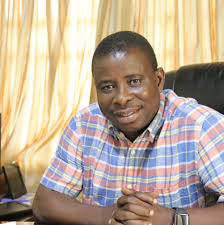
Mr John Blankson Adu Otu
4 hours