

Audio By Carbonatix
In the vaults of the global music industry, where beats are traded like bonds and lyrics become lucrative assets, a quiet but consequential phenomenon is unfolding: the sale of music catalogues.
For decades, this practice has been part of the industry’s DNA, artistes trading ownership of their works for immediate financial gain. But as the world tunes in to Africa’s sonic riches, a new question emerges: At what cost?
Across the Atlantic, the debate is alive and well. Global superstars like Taylor Swift and Rihanna have fought to regain control of their masters, their creative lifeblood. Swift’s high-profile battle with Big Machine Records reignited the ownership conversation, while Rihanna’s buyback was a silent, strategic power play. Meanwhile, legends like Bob Dylan and Dr. Dre chose differently, cashing in for hundreds of millions. Each choice is personal, yes, but it ripples far beyond the artist.
In Africa, the discussion is just beginning. And it’s urgent.
When Beats Become Business
The international spotlight on African music has never been brighter. Afrobeats has gone from Lagos to London, from Accra to Atlanta, conquering dance floors and topping charts. With that attention has come opportunity—and opportunists.
Catalog buyers—corporate giants with deep pockets and sharp legal teams—have turned their eyes to the continent. What they see is potential: raw talent, catchy hooks, global appeal. And they’re offering deals—big ones. For many artists, especially those emerging from hardship, the promise of a life-changing payout is impossible to ignore.
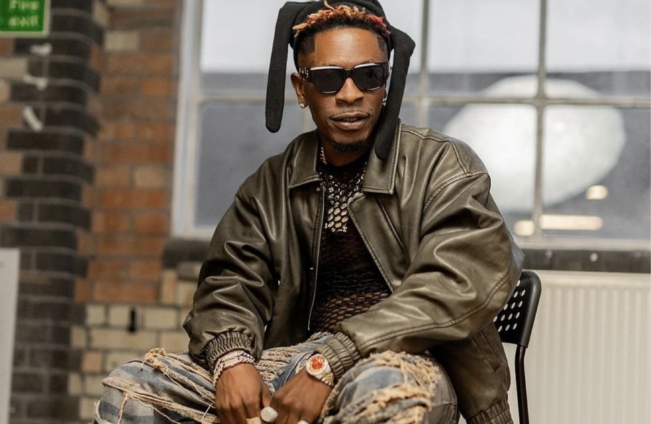
Take Shatta Wale, one of Ghana’s most commercially successful and polarizing musical figures. His recent catalogue sale sent ripples through the industry, confirming that even the biggest names aren't immune to the allure of an upfront cheque.
But the story runs deeper in Kumasi, the heartbeat of a movement once dubbed Kumerica.
The Rise (and Stall) of Kumerica
What began as a quirky cultural crossover—a mash-up of Ghanaian authenticity with American swagger—soon blossomed into a grassroots musical revolution. Kumerican drill, powered by gritty realism and youthful energy, gave rise to stars and put Kumasi on the global map.
But just as the movement began to find its rhythm, it started to lose its soul.
A slew of its pioneers, under pressure and lacking long-term guidance, sold off their catalogues. The buyers? International firms looking for the “next big sound.” The result? A creative slowdown, a cultural cut-off. Kumerica wasn’t just a genre—it was a voice. And that voice has been muffled.
Beijing Now Holds the Beat
In a twist both ironic and alarming, an increasing number of Ghanaian music catalogues, masters and all, are being snapped up by Chinese companies. Quietly and systematically, these firms have acquired rights to some of Ghana’s most commercially valuable music, including works from major acts and producers.
What began as isolated, hush-hush deals has now morphed into a trend. Today, a significant portion of Ghana’s contemporary music library—works that were born in Madina, bred in Kumasi, and boomed across Osu nightlife—is now legally owned and monetized by foreign conglomerates based in Beijing and Shanghai.
The symbolism is striking: music, once used to fight colonialism, to rally independence, to tell our stories on our own terms, is now being funneled into portfolios in boardrooms thousands of miles away. Songs about our struggles, victories, and spirit are now profit lines in corporate spreadsheets abroad.
This isn’t just the globalization of Ghanaian sound, it’s its outsourcing.
Who Really Owns the Soundtrack of Africa?
Therein lies the danger. When a song is sold, so is its power. It is no longer just melody and rhyme—it becomes a monetized asset, often controlled by those with no cultural stake in its origins.
Ghana’s music, like much of Africa’s, is more than entertainment. It is storytelling, oral history, protest, celebration, ritual. It is our identity set to rhythm. To allow it to be wholesale commodified without guardrails is to mortgage our culture.
Wizkid’s call for African artists to own their masters wasn’t just industry advice—it was cultural preservation. Ownership is agency. It’s the difference between creating for legacy and creating for liquidity.
The Case for Policy Intervention
Now, let’s be clear. Artists have rights. They should be free to profit from their labour and make decisions about their work. But the cultural weight of music in African societies calls for a more nuanced approach.
We are not advocating for censorship or state ownership of music. Rather, we argue for protection—legal frameworks, education, and industry standards that preserve the long-term value of our music for both the artist and the society that shaped them.
Bodies like Ghamro, MUSIGA, and the Ministry of Tourism, Arts and Culture must take a proactive role. They should:
• Establish guidelines for catalogue sales and transfers.
• Provide legal education and representation for young artists.
• Create national archives for important musical works.
• Incentivize local investment in music catalogues to retain ownership within the continent.
Because if we don’t act, Ghamro might soon be collecting royalties not for Ghanaian musicians, but for Chinese tech companies and foreign investors with no connection to the stories behind the songs.
Music is a Mineral
Let us be unequivocal: music is a natural resource. Like gold in Obuasi or cocoa in Tafo, it is a product of our soil, our struggle, our spirit. And like any precious resource, it must be managed wisely.
We cannot simply sell it off to the highest bidder, no matter how tempting the cheque. Because once it’s gone, it’s gone. And no amount of re-recording or buyback can fully reclaim a culture sold in haste.
We must treat our music as our future—not a fast-cash fallback. If that means hard conversations, uncomfortable policies, or even cultural legislation that dances on the edge of individual liberty, then so be it.
Because this isn’t just about who owns the rights to a song.
It’s about who owns the right to tell our story—and, increasingly, that storyteller doesn’t speak our language.
Latest Stories
-
Why must I renew my vehicle’s registration number every 2 years?
1 minute -
Parliamentary Privilege and the Limits of Personal Liberty: A study on the immunity of members of parliament from arrest in Ghana
2 minutes -
Kwabenya Court denies bail to six accused in alleged 3.9-tonne cocaine shipment
3 minutes -
Ghana opposes calls to abolish ICC, urges stronger action against crimes against humanity
10 minutes -
Cedi remains under pressure due to Christmas demand; going for GH¢11.90 at forex bureaus
11 minutes -
NDC opens nominations for 2026 regional executive elections on October 6
12 minutes -
Ghanaian nurses to receive higher pay, health insurance and rent allowance under new Saint Kitts and Nevis agreement
20 minutes -
JoyNews’ Emmanuel Adu Gyamfi named ‘Digital Tourism Icon of the Year’ in Ahafo Region
25 minutes -
Hurricane Polo makes landfall on Mexico’s Pacific coast
29 minutes -
US ban on Canadian alcohol and dairy comes into effect as trade war drags on
31 minutes -
GES orders SHS heads to refund unauthorised fees collected from parents
39 minutes -
AFCON 2027Q: ‘We don’t need to cry over spilled milk’ – Damba on Ghana injury concerns
42 minutes -
NDC communicator blames documentation, payroll validation for teachers’ promotion arrears delay
44 minutes -
2026 JoyNews Impact Maker Award winner brings clean water to Yoko Tsume after years of cattle dugout dependence
50 minutes -
Sarkodie commends Mahama for rejecting US health compact
51 minutes