

Audio By Carbonatix
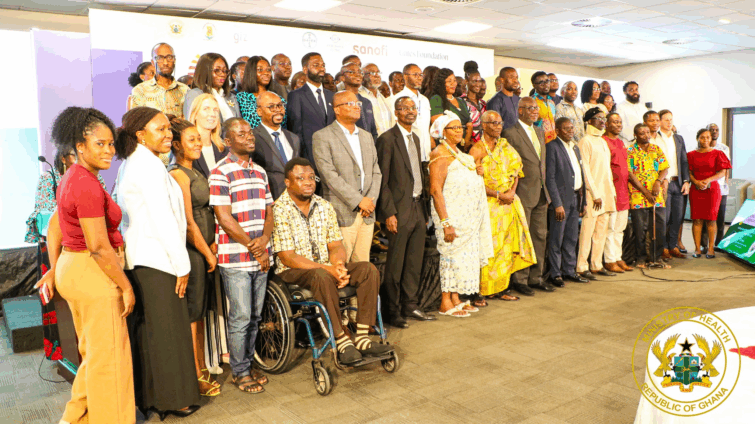
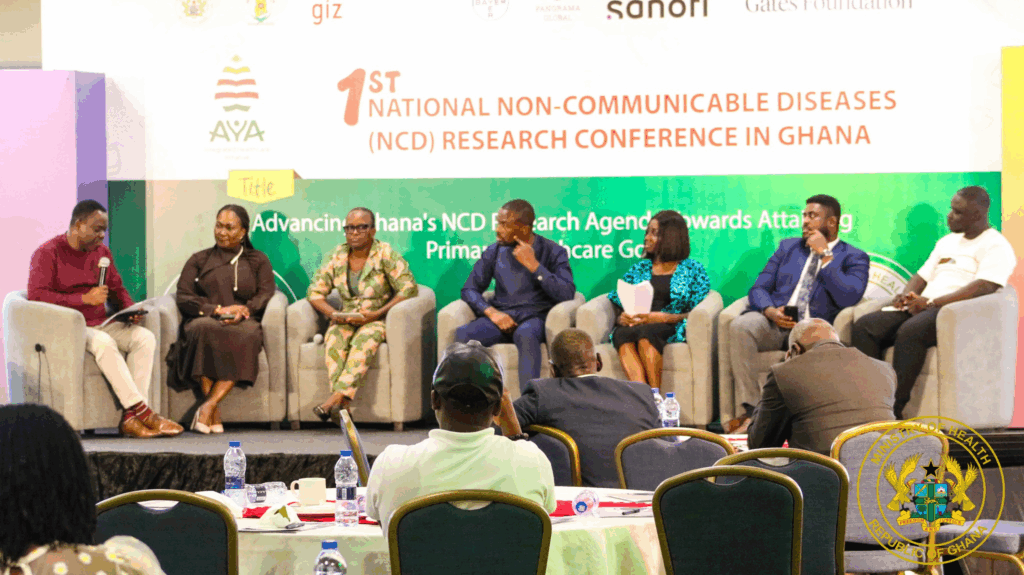
Ghana has launched its first National Non-Communicable Diseases (NCDs) Research Conference, an initiative by the Ministry of Health in collaboration with the Ghana Health Service, GIZ, and the AYA Integrated Healthcare Initiative.
The conference was held under the theme “Advancing Ghana's NCDs Research Agenda Towards Attaining Primary Healthcare Goals.”
The event brought together researchers, policymakers, development partners and health professionals to deliberate on the development of a National NCD Research Agenda.
The aim is to generate evidence to guide policy decisions, promote multidisciplinary research, and strengthen Ghana’s healthcare system for the prevention and control of NCDs.
Speaking on behalf of the Minister for Health, Kwabena Mintah Akandoh, the Director of External Health Cooperation at the Technical Coordinating Department of the Ministry of Health (MOH), Dr Hafez Adam Taher, stressed the government’s commitment to improving research and data quality.
He explained that the conference offers an important opportunity to convert research into practical policy.
He said the meeting would help build stronger links between Ghanaian and international NCD researchers and “enhance national policy for data collection and knowledge generation.”
Dr Taher added that the goal is to develop a national agenda that aligns with major health sector priorities, including the Ghana Medical Trust Fund (MahamaCares), free Primary Health Care, and the Universal Health Coverage roadmap.

In acknowledging the support of partners, the ministry praised the commitment of local research institutions.
He encouraged them to deepen their collaboration with the Ministry of Health and the Ghana Health Service so that research “transcends academic outcomes and becomes the backbone of policymaking.”
Delivering remarks on behalf of the Director-General of the Ghana Health Service, Dr Franklin Asiedu-Bekoe, Director of Public Health, stressed the importance of research in transforming NCD care.

He noted that strong research can lead to early detection, better clinical care, stronger health systems and improved monitoring and accountability.
He concluded that the battle against NCDs would be won through knowledge, research that informs practice, transforming systems, and saving lives.
Latest Stories
-
‘Carlos Queiroz not the sort of coach Black Stars need’ – Nii Lante Vanderpuye
10 minutes -
AFCON 2027Q: ‘Our Black Stars team is gone’ – Former Sports Minister
30 minutes -
Prof. Prempeh calls for public review of draft constitutional reform bills
42 minutes -
AFCON 2027Q: ‘I have never seen a poor performance from Black Stars like against Gambia’ – Nii Lante Vanderpuye
47 minutes -
Nigeria set to launch National Digital Address System 9 years after Ghana showed the way
1 hour -
Policy rate decision takes time to reflect in lower lending rates – BoG
1 hour -
Western Regional Minister applauds Karpowership’s role in Ghana’s power sector
2 hours -
Livestream: Road safety crises: Where are we getting it wrong?
2 hours -
Enterprise Life celebrates 25 years of protecting families and building trust
2 hours -
ICC London rules in favor of Ghana against Tullow over $400m tax charge
2 hours -
We are disappointed in ICC’s ruling over our corporate income tax assessment in Ghana – Tullow Oil
2 hours -
Cost of building inflation for August 2026 increases to 4.6% – GSS
2 hours -
Today’s front pages: Wednesday, September 30, 2026
3 hours -
Bawumia highlights agricultural, compulsory insurance reforms in IBAG engagement
3 hours -
Ghana will secure Tullow tax revenues while protecting Jubilee, TEN investments – Ato Forson
3 hours