

Audio By Carbonatix
Ghana’s growing indebtedness to universities in the United Kingdom, now estimated at £32 million, has triggered a significant disruption in government-sponsored education, effectively halting the placement of new Ghanaian students since 2025.
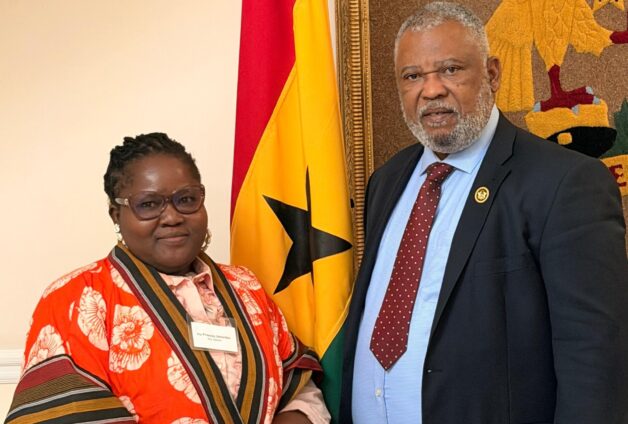
The Deputy High Commissioner to the UK, Aquinas Quansah, disclosed that the arrears, which date back to 2020, have strained relations between the Government of Ghana and several UK universities. According to him, institutions are increasingly reluctant to admit students under Ghana’s sponsorship scheme due to concerns over mounting unpaid tuition fees.
This development has left many qualified Ghanaian students in limbo, unable to access opportunities that were once considered a dependable pathway for higher education and professional development abroad.
Beyond the immediate disruption, the situation raises broader concerns about Ghana’s academic credibility on the global stage.
For decades, government-sponsored education in the UK has played a critical role in building Ghana’s human capital, particularly in sectors such as health, engineering, science, and public administration. The current impasse threatens to undermine these gains, with potential long-term consequences for national development.
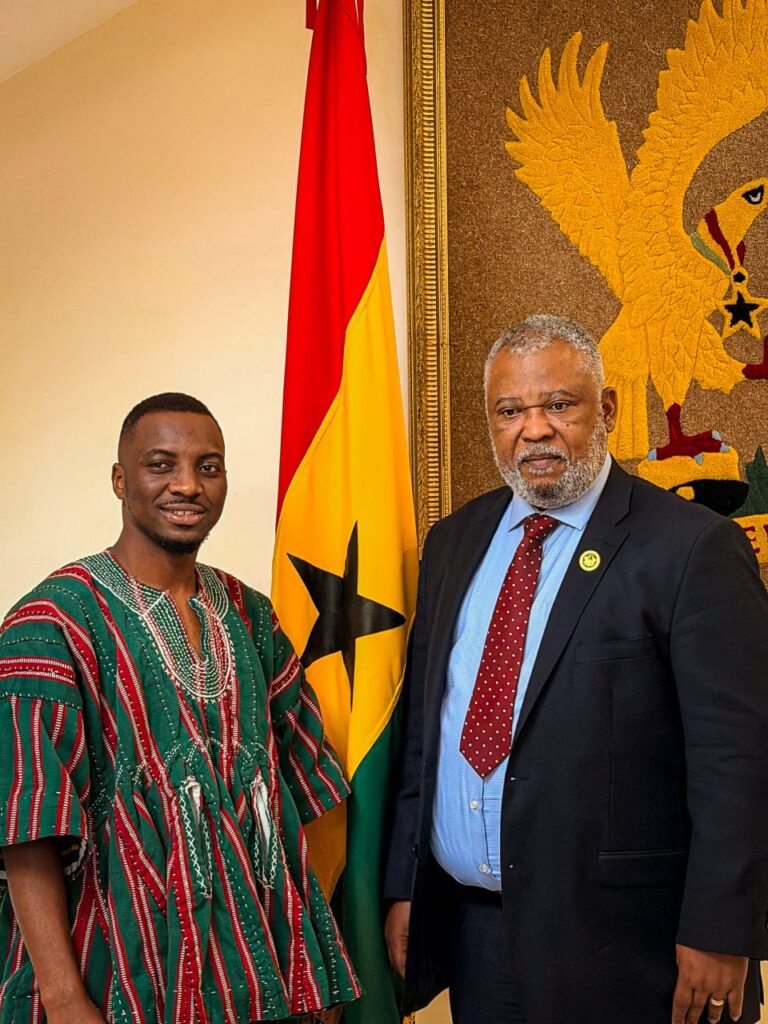
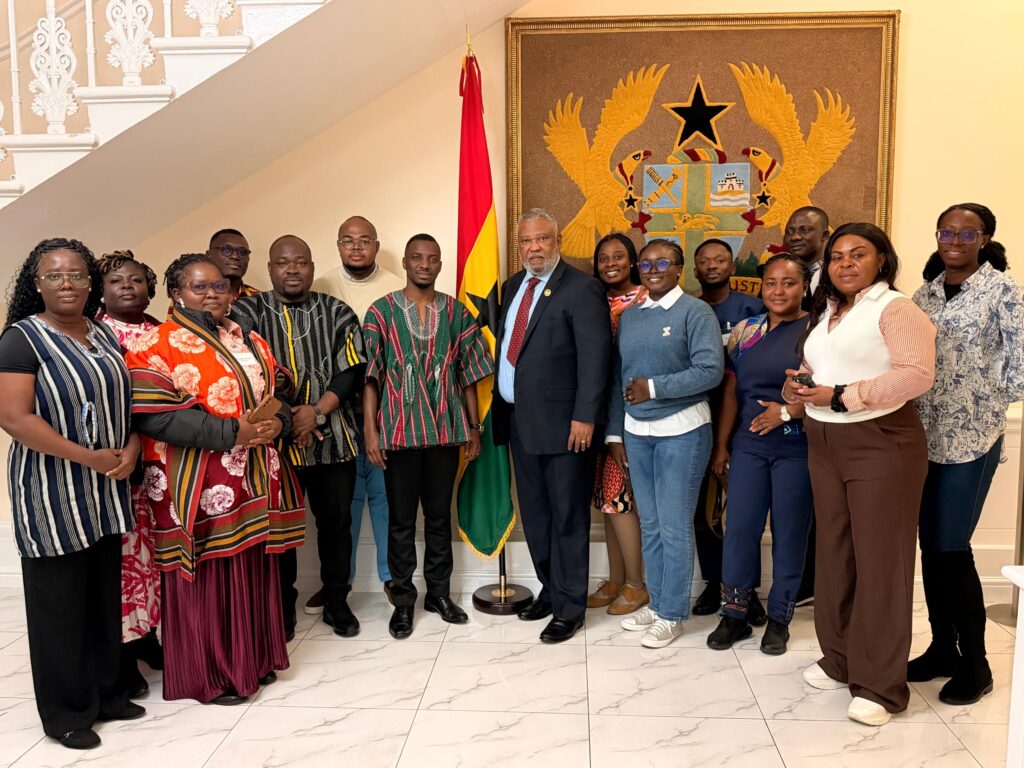
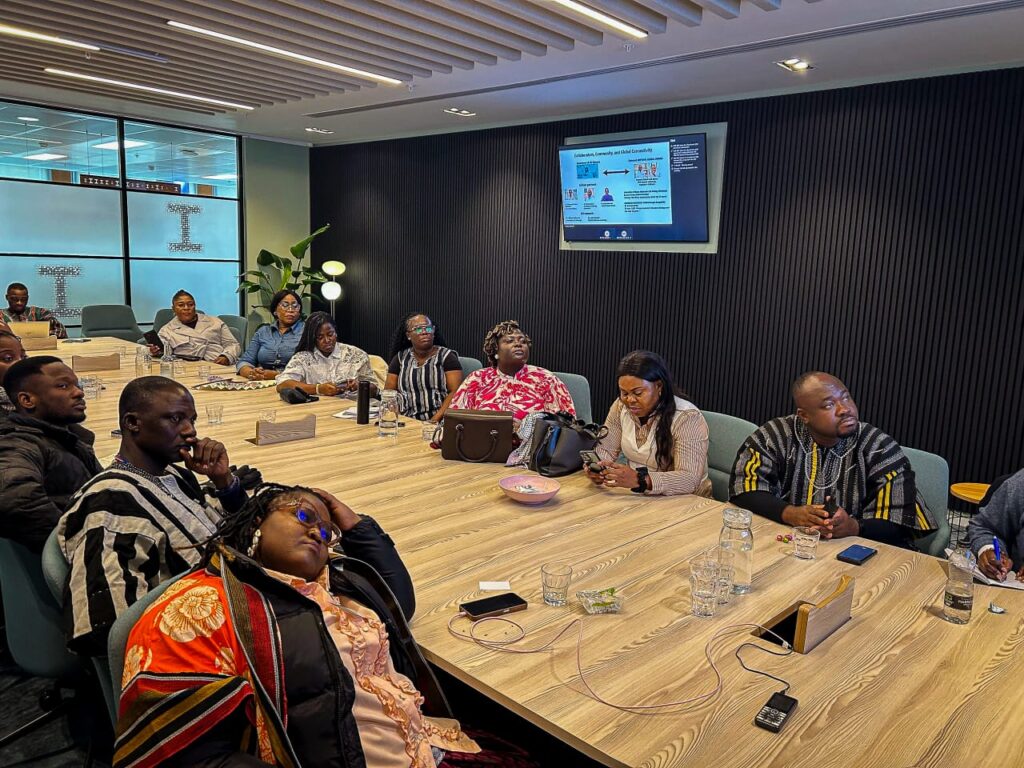
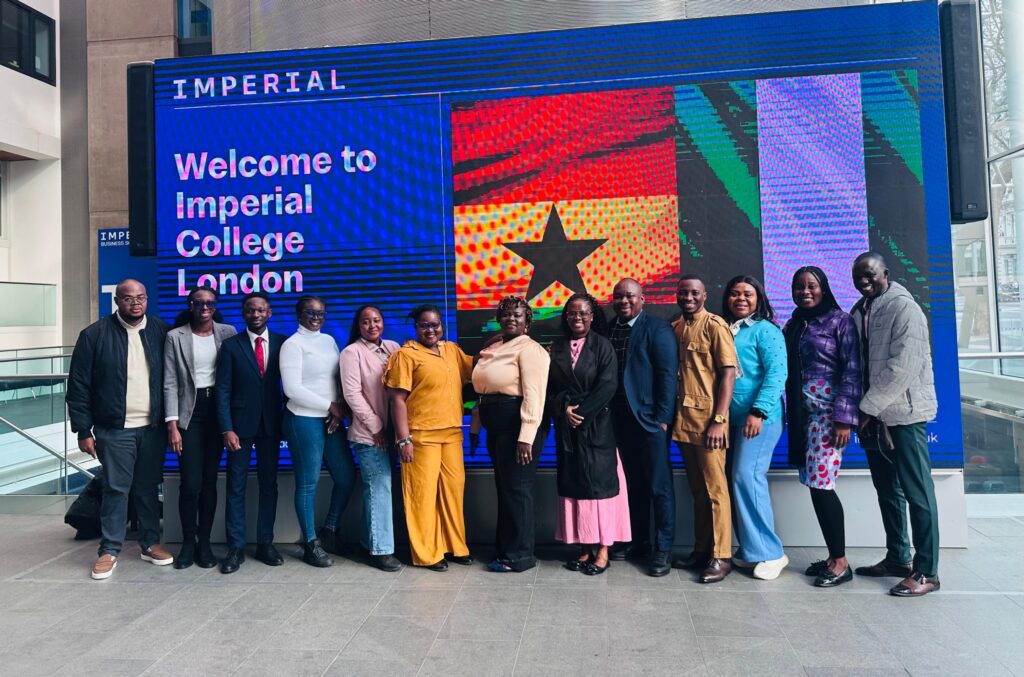
Speaking during an engagement with Ghanaian journalists participating in the UK–Ghana Science, Technology and Innovation (ST&I) Media Capacity Programme, Mr. Quansah acknowledged the seriousness of the issue.
He noted that ongoing negotiations with affected universities, as well as efforts to address the concerns of impacted students, are underway. However, he cautioned that resolving the matter is complex and will require careful coordination and sustained commitment.
Despite assurances of continued dialogue, the situation highlights the urgent need for more sustainable funding mechanisms and improved financial discipline in managing international education commitments.
Analysts warn that without swift intervention, Ghana risks not only losing access to critical academic partnerships but also diminishing its reputation as a reliable sponsor of students abroad.
As discussions continue, stakeholders are calling for transparency, accountability, and strategic reforms to restore confidence and ensure that future generations of Ghanaian students are not denied access to global educational opportunities.
Latest Stories
-
KNUST launches Ghana Photonics and Optics Laboratory
29 minutes -
Ghana’s reserve buffer shrinks to 4.2 months as BoG flags fresh external risks
34 minutes -
Ghana, China reaffirm commitment to deepen strategic partnership
38 minutes -
Mahama rings Nasdaq closing bell, declares Ghana ‘open for business’
44 minutes -
Judge blocks Trump’s White House media ban, orders access to be restored
46 minutes -
GNFS contains Dansoman, La fires and saves three adjoining buildings
48 minutes -
Parliament pushes for GH¢5.6m release to Petroleum Commission for data centre
53 minutes -
GNFS honours two officers for bravery during Sogakope flood rescue
54 minutes -
Bagbin pushes for direct election of ECOWAS Parliament members to deepen democracy
58 minutes -
Togbe Afede apologises for late start of Volta economic forum
1 hour -
Cedi depreciation hits 9.5% as renewed FX pressure weighs on currency
1 hour -
Togbe Afede calls for unity to accelerate Volta development
1 hour -
Finance Minister urges Ghanaians to demand tax invoices
1 hour -
Data Protection boss calls for connected regulators to tackle big tech power
1 hour -
Man arraigned before court for allegedly posing as soldier, stealing
2 hours