

Audio By Carbonatix
President of the Ghana Registered Midwives Association (GRMA), Mrs Netta Forson Ackon, has called on the government to prioritise the expansion of the midwifery workforce in national health planning, budgeting, and implementation to accelerate the recruitment and deployment of midwives.
She said this would ensure that conditions of service reflect the critical role midwives play in the country’s healthcare delivery system.
She underscored the need to sustain and deepen investment in midwifery training, infrastructure, and innovation, particularly in underserved regions.
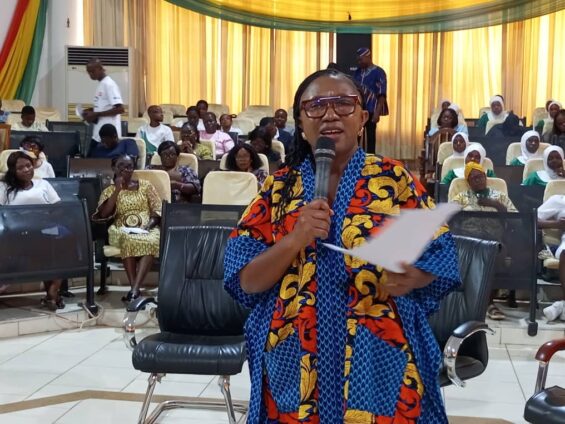
Mrs Forson Ackon made the call at a symposium organised by the GRMA in Tamale as part of activities marking the 135th national launch of the International Day of the Midwife.
The event brought together representatives from the Ministry of Health, Ghana Health Service, Nursing and Midwifery Council, traditional and religious authorities, students, the media, and other stakeholders and partners.
This year’s International Day of the Midwife is on the theme: “One Million More Midwives.” The symposium was held under the theme: “Scaling up Ghana’s midwifery workforce: Accountability, Action and Acceleration.”
Mrs Forson Ackon urged stakeholders to champion midwifery as a strategic investment in Ghana’s future, rather than merely a line item in the health budget.
She highlighted challenges facing the profession, including poor remuneration, heavy workload, inadequate recognition, and limited incentives for rural postings, all of which, she said, affect morale and retention.
“A midwife often takes care of more than one life at a time—the mother and the unborn child—yet the conditions of service do not reflect the level of responsibility,” she said.
She proposed a structured rotational posting system that would allow midwives to serve in deprived areas for a defined period before being reassigned to urban facilities.
President of the National Association of Registered Midwives (NARM) Ghana, Ms Leticia Asaba Atia, also called on the government to prioritise investment in specialised midwifery training and equitable deployment of midwives to reduce maternal mortality and improve healthcare outcomes for women and newborns.
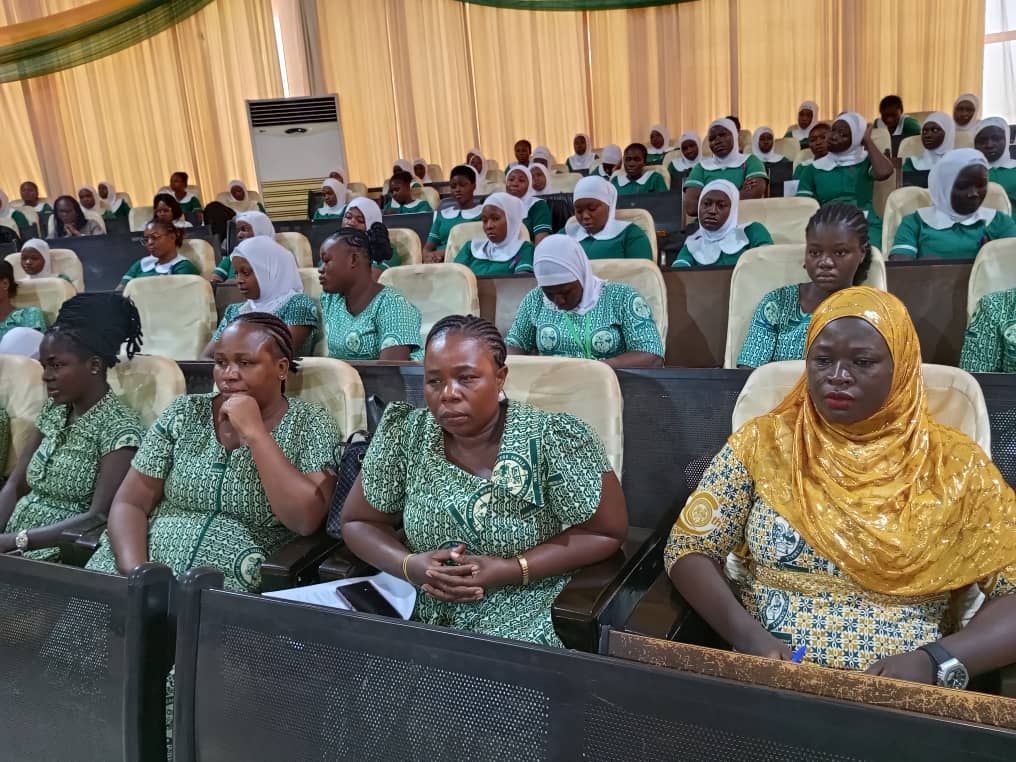
She said the lack of specialised midwifery skills remains a major contributor to maternal deaths in the country.
She explained that although midwives are trained to manage normal deliveries, many lack advanced competencies to handle life-threatening complications such as postpartum haemorrhage and pregnancy-induced hypertension.
“When midwives are trained in specialised areas, they can identify complications early, manage them effectively, and make timely referrals, especially in rural communities where doctors are often unavailable,” she said.
Ms Atia stressed the need to expand admissions into nursing and midwifery training institutions to produce more professionals with advanced skills, adding that such investment would significantly help save lives.
Acting Chief Programmes Officer at the Nursing and Midwifery Council, Ms Evelyn Amoako, who was the keynote speaker, said midwives are central to achieving maternal and child health targets under Sustainable Development Goal 3.
She noted that midwives can provide up to 90 per cent of essential sexual, reproductive, maternal, newborn, and adolescent health services when adequately supported.
MMsAmoako said data from the 2024 Health Labour Market Analysis shows that Ghana has 40,700 midwives, representing 26.9 per cent of the professional nursing and midwifery workforce, with more than 14,000 yet to be employed.
She added that although over 3,500 midwives graduate annually, disparities in deployment continue to favour urban areas, leaving rural communities underserved.
She also cited data indicating that 968 women died from maternal causes in 2025, while the institutional maternal mortality rate increased slightly from 109.22 per 100,000 live births in 2023 to 110 in 2024.
Skilled delivery coverage, she said, declined from 60.6 per cent in 2023 to 55 per cent in 2024, with significant regional disparities.
MsMsmoako further noted that migration of health professionals remains a major challenge, as many midwives seek better opportunities abroad due to improved working conditions and remuneration elsewhere.
She called for a bold, time-bound national midwifery workforce agenda to address gaps in training, deployment, and retention, while improving working conditions, particularly in rural areas.
She also disclosed that the Ministry of Health would soon introduce a managed migration policy to regulate international opportunities while safeguarding domestic healthcare needs.
Head of Midwifery at the Ministry of Health, Ms Estel Ruth Opoku, reaffirmed the government’s commitment to strengthening the midwifery workforce.
She said the Ministry is implementing interventions such as the National Nursing and Midwifery Preceptorship and Mentorship Policies to support newly trained midwives.
She added that the Midwifery Education and Practice Centres of Excellence Programme is being rolled out to improve training quality and bridge the gap between theory and practice.
Ms Opoku acknowledged challenges facing midwives, particularly in underserved areas, including inadequate accommodation, high workload, and limited access to essential equipment.
She emphasised the need to recognise midwives as autonomous professionals and involve them in decision-making within the health sector.
“Midwives remain central to safeguarding the health of women, newborns, and families, and their contribution is vital to achieving improved maternal and child health outcomes,” she said.
Participants at the symposium called for sustained investment, strengthened collaboration, and deliberate policy actions to accelerate progress towards achieving Sustainable Development Goal 3.1, which targets reducing maternal mortality to below 70 per 100,000 live births by 2030.
Latest Stories
-
NPP clears all 47 aspirants for 2026 national officers’ election
8 minutes -
Domelevo backs OSP probe into GH¢70k allegation
54 minutes -
CAF Confederation Cup: Dennis Korsah confident Nations FC can overturn Mali defeat
1 hour -
‘Avoid political comments’ – Domelevo advises Chief Justice
2 hours -
‘I don’t trust OSP’ to probe GH¢70k ‘bribe’ allegation – Kwasi Kwarteng
2 hours -
Road inspections not to witch-hunt contractors – Kwame Agbodza
3 hours -
Inter Milan mount stunning comeback to beat Napoli
3 hours -
Modric plans to play for Croatia past 41st birthday
3 hours -
Bayern fail to score for first time in 59 games
3 hours -
Bawumia preparing new cocoa policy package for farmers – Annoh-Dompreh
3 hours -
Wa-Tumu-Bolga road upgrade will unlock agriculture, trade – Agbodza
3 hours -
Ghana Maritime Authority readies oil-spill response vessel for deployment
3 hours -
Ayariga turns to drones, AI to tackle Agbogbloshie waste mountain
3 hours -
Agbogbloshie waste heap must go – Mahama Ayariga declares
3 hours -
Government to upgrade all rural telephony sites to 4G – Communications Minister
3 hours