

Audio By Carbonatix
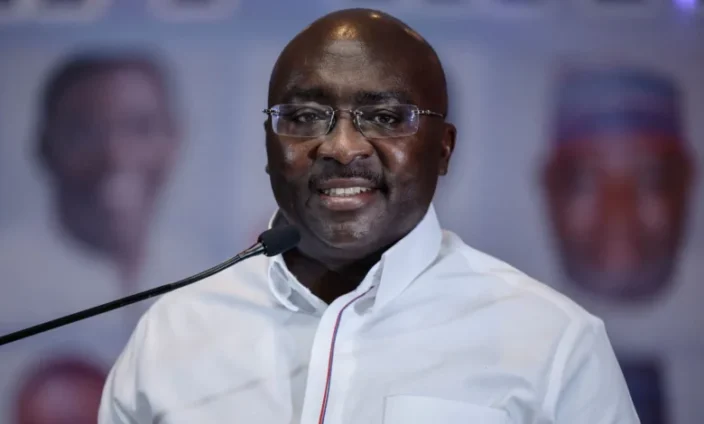
In a significant move widely being described by political observers as a major step towards internal cohesion, the Flagbearer of the New Patriotic Party (NPP), Dr. Mahamudu Bawumia, has appointed all four of his former presidential primary opponents as Co-Chairpersons of newly established party policy committees.
The decision, which has generated considerable discussion within political circles, forms part of a broader initiative by the NPP leadership to strengthen its policy development structure and reposition the party as a more research-driven and solution-oriented opposition force ahead of the 2028 elections.
Under the new framework, a central Policy Committee has been established to coordinate sector-specific working groups spanning key areas of national development, including employment, energy, education, health, transport, local governance, and security. The committee is chaired by Kojo Oppong Nkrumah, with Dr. Kwasi Nyame Baafi serving as secretary to ensure technical and administrative coordination.
The most notable aspect of the arrangement is the inclusion of Dr. Bawumia’s former internal competitors in senior policy roles. Kennedy Agyapong has been assigned to co-chair the Employment and Jobs Policy Committee, Kwabena Agyapong will serve on the Housing and Urban Development Committee, Bryan Acheampong takes a role on the Defence and Interior Committee, while Dr. Yaw Osei Adutwum will co-chair the Education Policy Committee.
Party insiders say the appointments are intended to harness the experience and influence of key figures within the party while reducing internal tensions following the primaries.
According to them, the move is aimed at transforming competition into collaboration within a unified policy direction.
A political analyst described the development as a strategic consolidation of party strengths, noting that each appointee brings a distinct support base and policy experience that could enhance the NPP’s overall organisational effectiveness.
The arrangement, he said, reflects a deliberate attempt to align individual influence with collective party goals.
The policy committees are expected to begin work immediately, engaging stakeholders and producing detailed proposals to serve as alternative policy options for national governance discussions.
Latest Stories
-
Governed differently: The political economy of state absence in Africa
2 hours -
Boakye Agyarko vows to rebuild NPP as over 50 constituency chairpersons back his chairmanship bid
2 hours -
APL poll puts Bawumia ahead of seven potential NDC contenders
2 hours -
Character, jobs and cost of living: APL poll shows what voters will use to decide 2028 election
2 hours -
Vieira named new Senegal head coach
4 hours -
Global borrowing costs hit fresh highs on oil, AI and inflation
4 hours -
American Airlines to bring back TV screens on US flights
5 hours -
Carney’s final chance to convince Trump as US-Canada trade deadline looms
5 hours -
BOSTenergies meets fuel tanker drivers over their concerns at the Kumasi depot
5 hours -
X1 Energy Drink-backed DOL Super Cup ends with Ebusua Dwarfs crowned champions
5 hours -
Disney and ABC sue Trump’s media regulator to stop early licence renewal
5 hours -
Luv FM High School Debate: Prempeh dethroned as CHRISSEC and KUHIS ignite quarter-final path
5 hours -
British couple on honeymoon killed in helicopter crash on Greek island
5 hours -
George Opare Addo to lead National Youth Forum in Accra
5 hours -
ECG invested GH¢710,965 in infrastructure replacement across Greater Accra – PURC
5 hours