

Audio By Carbonatix
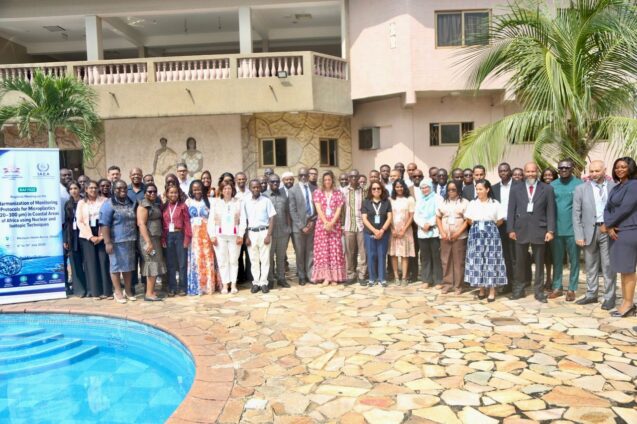
Scientists from 21 African countries are meeting in Accra to harmonise protocols for monitoring microplastics in coastal areas using nuclear and isotopic techniques, as part of efforts to strengthen Africa’s response to marine plastic pollution.
The five-day regional meeting, being hosted by the Ghana Atomic Energy Commission (GAEC) under the International Atomic Energy Agency's (IAEA) Regional Technical Cooperation Project RAF7022, opened on Monday, July 6, and will end on Friday, July 10, 2026.
The initiative is expected to help African countries adopt common scientific standards for monitoring microplastics measuring between 20 and 300 micrometres, generate comparable data and strengthen efforts to combat marine plastic pollution and protect coastal ecosystems through evidence-based environmental policies.
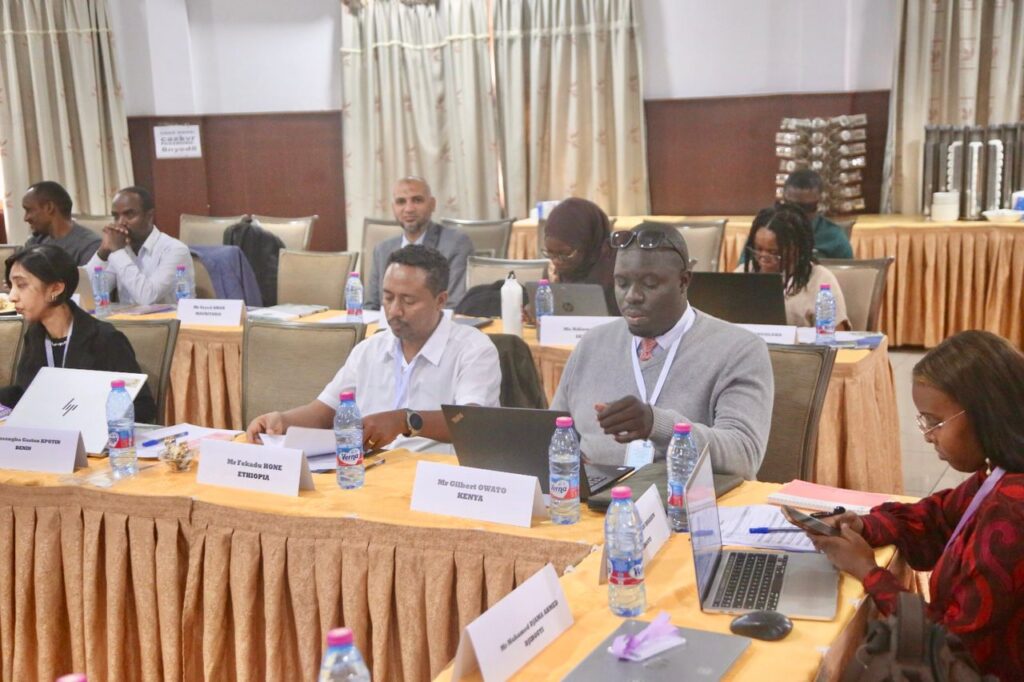
Participating countries are Ghana, Benin, Burkina Faso, Burundi, Comoros, Djibouti, Egypt, Ethiopia, Kenya, Mauritania, Mauritius, Morocco, Namibia, Nigeria, Senegal, Seychelles, South Africa, Sudan, Tanzania, Togo and Tunisia.
According to the United Nations Development Programme (UNDP), over 430 million metric tonnes of plastic are produced each year globally, with nearly two-thirds becoming waste after a short period of use. The United Nations Environment Programme (UNEP) also estimates that approximately 11 million tonnes of plastic waste enter aquatic ecosystems annually, posing a threat to marine biodiversity, fisheries, tourism, food security, and public health.
Scientists have also detected microplastics in seawater, marine sediments, seafood, drinking water and even the atmosphere, raising growing concerns about their long-term environmental and potential impacts on human health. These developments have heightened the need for coordinated scientific monitoring and reliable data to guide policy interventions and environmental management.
Addressing the opening session of the regional meeting, the Director-General of GAEC, Prof. Samuel Boakye Dampare, said Ghana was proud to be playing a leading role in the continental effort.
“For over six decades, GAEC has promoted the peaceful application of nuclear science and technology to national development. Through our strong partnership with the IAEA under the NUTEC Plastics Initiative and other AFRA programmes, Ghana has significantly strengthened its capacity for plastics research through enhanced laboratory infrastructure, modern analytical equipment and specialised training”, he stated.
Prof. Dampare noted that GAEC scientists were actively implementing IAEA Coordinated Research Projects on microplastics in marine and agricultural ecosystems while also advancing research into sustainable plastic alternatives and recycling technologies.
He reiterated that the Commission remained committed not only to strengthening national policy but also to supporting regional harmonisation and scientific excellence across Africa.
“We believe that Ghana’s experience demonstrates the value of investing in science, innovation and partnerships to address complex environmental challenges”, he said.
Prof. Dampare expressed gratitude to the IAEA for its visionary leadership through the NUTEC Plastics Initiative, which, he said, continues to equip African Member States with advanced nuclear and isotopic techniques, technical expertise and opportunities for collaboration.
He encouraged participants to actively engage, exchange knowledge and strengthen partnerships that will enhance Africa's collective response to plastic pollution.
The IAEA Technical Officer for the project, Mr. Carlos Alonso Hernández, stressed the need for African countries to adopt harmonised scientific methods for monitoring microplastics to generate reliable and comparable data for environmental decision-making.
He said that although countries monitored marine environments under different conditions, adopting common scientific protocols would provide a clearer understanding of the scale and trends of plastic pollution across the continent.
“The harmonised approach, being implemented under the IAEA’s NUTEC Plastics Initiative, would strengthen data quality, improve collaboration among participating countries and support evidence-based policies to tackle marine plastic pollution”, he explained.
“Nuclear and isotopic techniques offered scientists more accurate tools for tracking the sources, distribution and accumulation of microplastics in marine environments, enabling countries to better assess the effectiveness of measures aimed at reducing plastic pollution”, he added.
The Director of the National Nuclear Research Institute (NNRI) of GAEC, Prof. Samuel Ganyaglo, said the application of nuclear and isotopic techniques offered unique opportunities to improve understanding of the sources, transport, fate and impacts of microplastics in Africa's aquatic ecosystems.
“This meeting represents an important milestone in our collective efforts to harmonise monitoring methodologies across Africa”, he added.
Present at the opening session were the Deputy Director-General of GAEC, Prof. Francis Hasford, the IAEA technical experts for the regional meeting, Ms Nathalie Bernard and Ms Lorena Rios Mendoza, the Manager of the Environmental Resources Research Centre of NNRI, Dr. Kofi Bempah Crentsil, as well as other senior research scientists.
Latest Stories
-
Ghana pays $3.5m to University of Memphis over scholarship debt
21 minutes -
People don’t remember style of play – GFA Comms Director defends Quieroz appointment
57 minutes -
Finance Ministry needs ‘refresher course’ in own records over GES recruitment – Adutwum’s spokesperson
1 hour -
Techiman 24-hour market project on course as Regional Minister inspects work, hails construction quality
1 hour -
Bono East Regional Fire Command engages master artisans in fire safety drive
1 hour -
Hitz FM’s Mr Haglah earns 2026 Ghana Entertainment Awards USA nomination
1 hour -
Accra Turf Club to hit the streets over Race Course demolition
2 hours -
Ashanti GJA launches 2025 regional media awards to celebrate excellence in journalism
2 hours -
From doubt to delight: Prang mother who thought GH¢1m win was a scam now celebrates
2 hours -
Energy Ministry says proposed private sector participation in ECG is not privatisation
2 hours -
Sparrow Studios, OldFilm Productions launch three movies for Ghana at 70
2 hours -
Mahama is doing well – UT Bank founder Prince Kofi Amoabeng pledges support
2 hours -
All 6,300 GES staff recruited without clearance have been paid – Finance Ministry
2 hours -
Akwaboa chiefs decry health and economic impact of deplorable roads in the area
2 hours -
Local Government Minister inspects Aayalolo buses at Madina, Achimota and Kinbu
2 hours