

Audio By Carbonatix
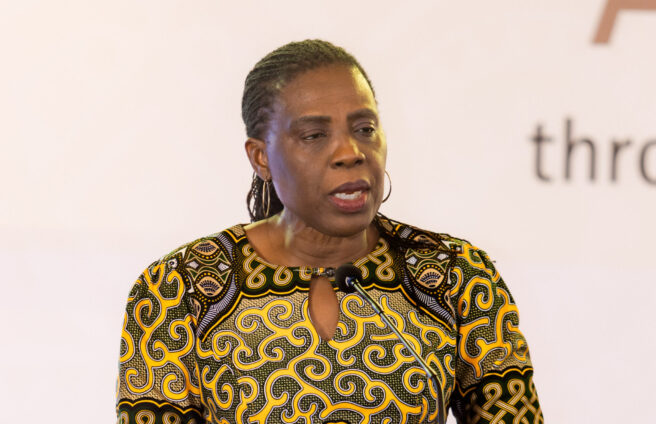
African Union Commissioner for Health, Humanitarian Affairs and Social Development, Ambassador Amma Twum-Amoah, has called on African governments to increase domestic investment in healthcare, warning that the continent cannot continue to rely heavily on external donors to build resilient health systems.
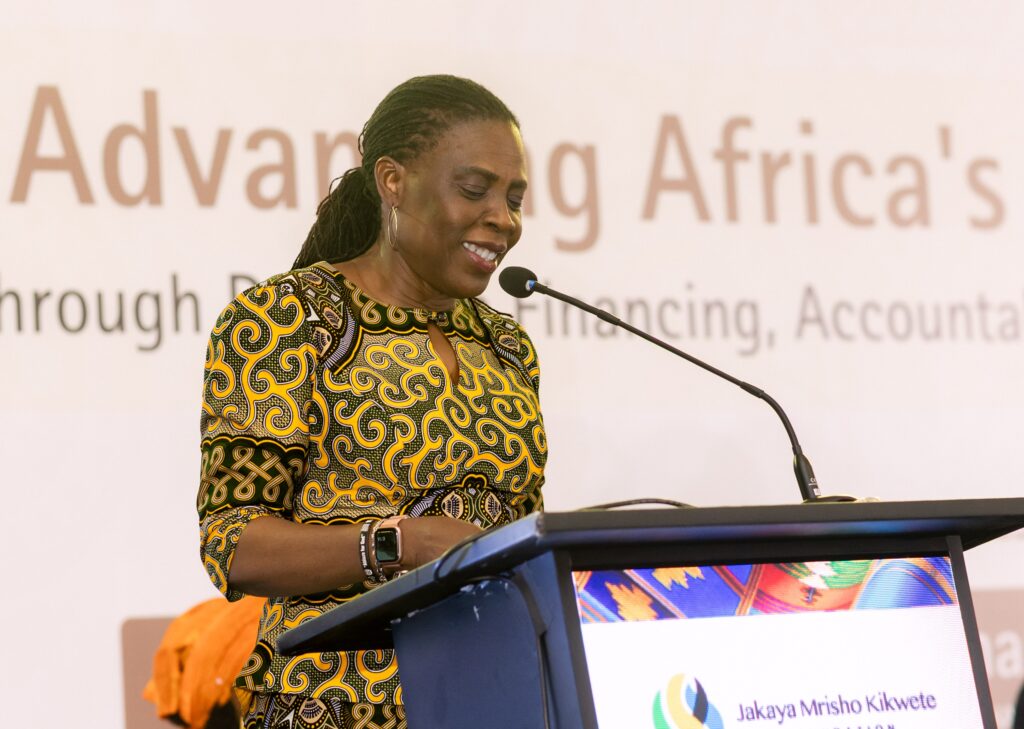
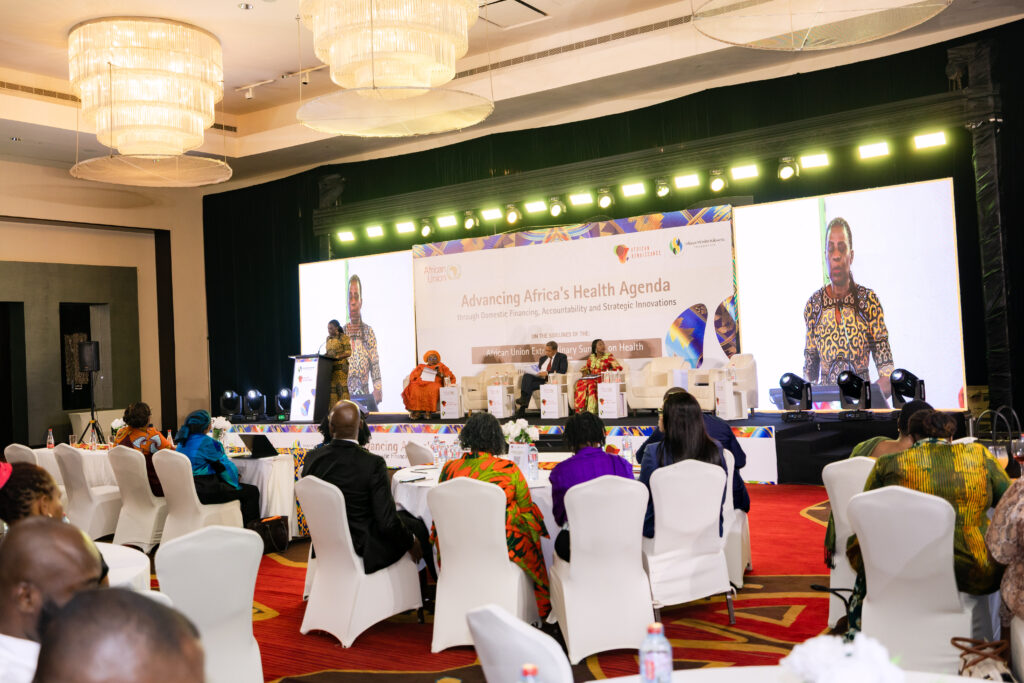
She made the call on July 20, during a High-Level Interactive Policy Dialogue jointly organised by the African Renaissance Trust and the Jakaya Mrisho Kikwete Foundation at the Kempinski Hotel Gold Coast City in Accra.
The dialogue, held under the theme "Advancing Africa's Health Agenda through Domestic Financing, Accountability and Strategic Innovations," brought together ministers, policymakers, regional economic communities, development partners, private sector leaders and global health experts to explore practical solutions for sustainable health financing across the continent.
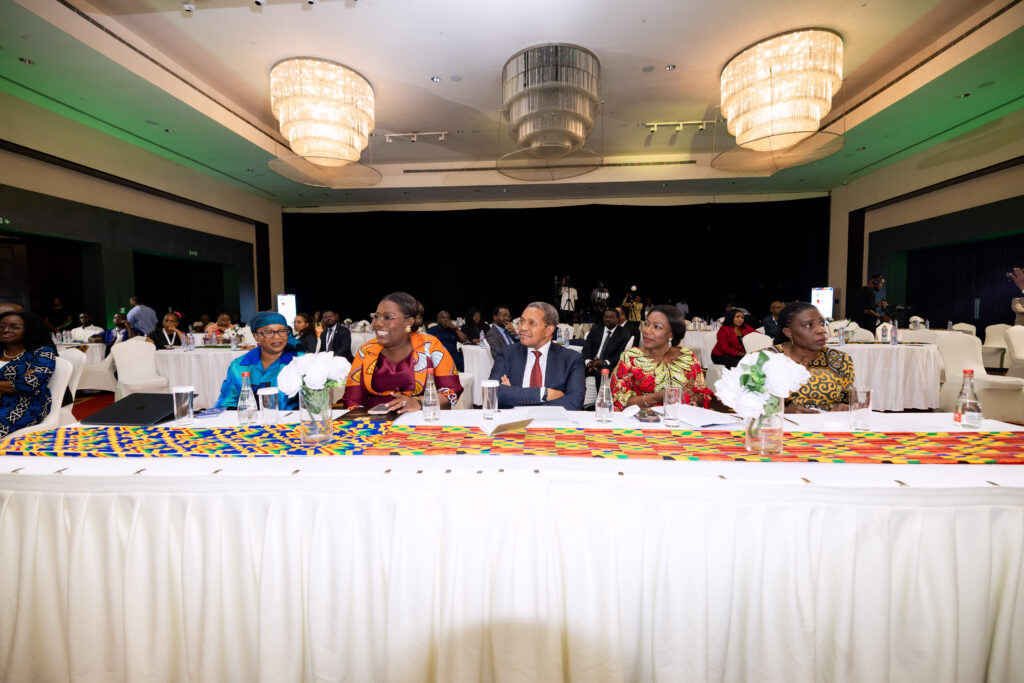
The event formed part of activities ahead of the African Union Extraordinary Summit on Ending AIDS by 2030, addressing preventable maternal deaths, communicable and non-communicable diseases endemic to the continent, and strengthening health systems by 2030.
Addressing participants, Ambassador Twum-Amoah described the current moment as a defining one for Africa's pursuit of universal health coverage and stronger health systems.
"Africa stands at a defining moment in its pursuit of universal health coverage, health security and sustainable development," she said.
"While our continent has made important progress in improving health outcomes, persistent financing gaps, emerging public health threats, demographic pressures and growing demands on health systems require renewed political commitment and decisive action."
She stressed that investment in healthcare should not be viewed as a social expense but as a strategic investment in economic growth, national security and resilience.
"Expenditure on health is not merely a social cost. It is a strategic investment in human capital, economic growth, productivity, national security as well as resilience," she said.
Although acknowledging the importance of international partnerships, the AU Commissioner said African countries must take greater responsibility for financing their own health systems.
"External partnerships remain important and deeply valued. However, no health system can be truly sustainable if it depends predominantly on external assistance. Africa's health security cannot be outsourced," she stated.
She urged member states to increase health allocations in national budgets, strengthen domestic resource mobilisation, improve public financial management and adopt innovative financing mechanisms capable of providing predictable and sustainable funding for essential health services.
The Commissioner also underscored the need for stronger accountability in the management of health resources.
"Financing without accountability risks inefficiency. Accountability without reliable data becomes difficult to enforce, and data without decisive action cannot improve lives," she said.
According to her, governments must strengthen transparent systems for planning, budgeting, procurement, implementation, monitoring and evaluation while ensuring that public spending translates into measurable health outcomes.
"We must be able to demonstrate not only how much is allocated to health, but also where the resources go, whom they reach and what results they achieve," she added.
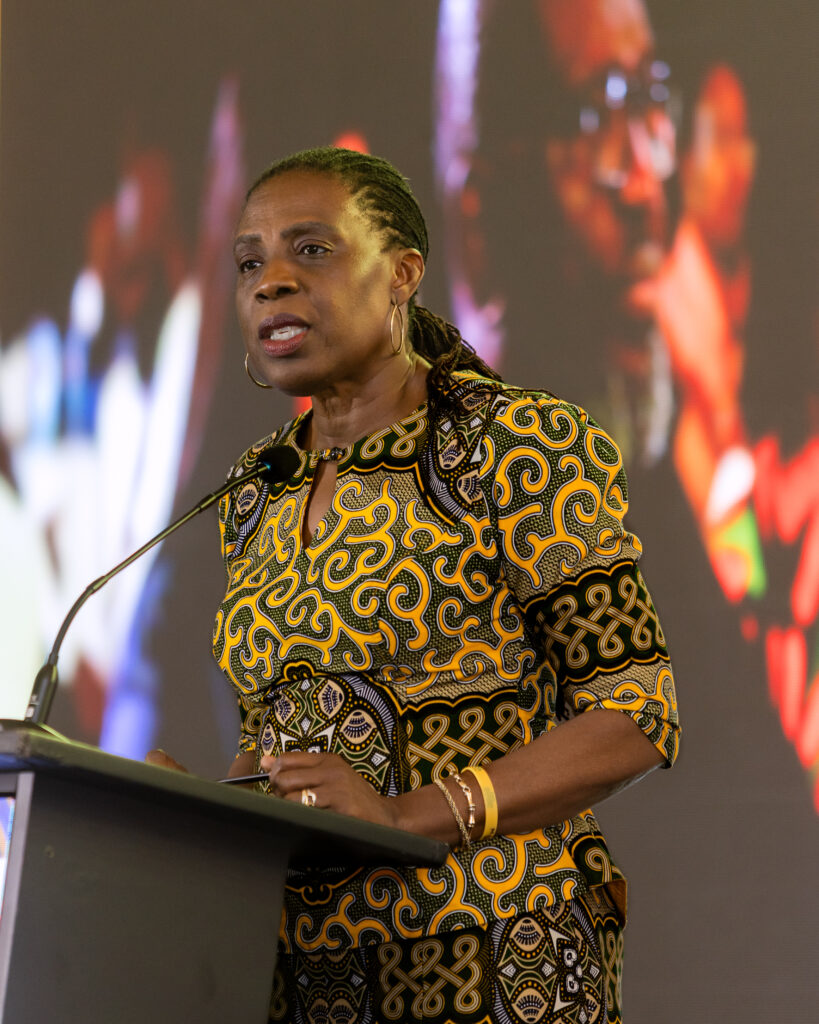
Ambassador Twum-Amoah further urged African countries to invest in digital technologies, artificial intelligence, integrated data systems and home-grown research to strengthen healthcare delivery.
"Africa cannot remain merely a consumer of health technologies developed elsewhere. We must become a continent that designs, produces and scales the solutions required to protect the health of its people," she said.
She concluded with a call for governments to translate political commitments into concrete action.
"The time for action is now. We've done enough talking; we have to put our words into action. Our communities must be reflected in our budgets, our priorities demonstrated through implementation, and our progress measured by improvements in the daily lives of our people," she said.
The dialogue examined ways African governments, regional institutions and development partners can better align political commitments with financing and implementation to accelerate progress towards universal health coverage and stronger, more resilient health systems by 2030.
Latest Stories
-
Stephen Kojo Adjei
5 minutes -
Govt building pathways for Ghanaian youth to compete across African markets – Opare Addo
14 minutes -
DCOP Rtr Kwaku Ayesu Opare-Addo
15 minutes -
Epiroc urges businesses to deepen support for education in mining communities
20 minutes -
Jay-Z rape accuser says her allegation was false
20 minutes -
KNUST SHS, OWASS, YAGSS progress to national stage of Public Speaking Competition
24 minutes -
10 rooms destroyed in Bebianiha house fire
27 minutes -
Government repatriates 180 Ghanaians from Libya
31 minutes -
GNAT demands independent probe into death of teacher at Gindabour
32 minutes -
Mark Carney says he has considered possibility of US military action against Canada
32 minutes -
Gindabour: GNAT demands GES statement on death of teacher
33 minutes -
6th Western Gospel Awards unveils nominees ahead of November ceremony
34 minutes -
GMTF, GNPC open talks on stronger support for specialised healthcare
36 minutes -
Adu-Boahene case: Atta Akyea files no-case submission, cites evidential gaps, inconsistencies and failure to call material witnesses
54 minutes -
Manchester City ‘found guilty of majority of 115 charges’
1 hour