

Audio By Carbonatix
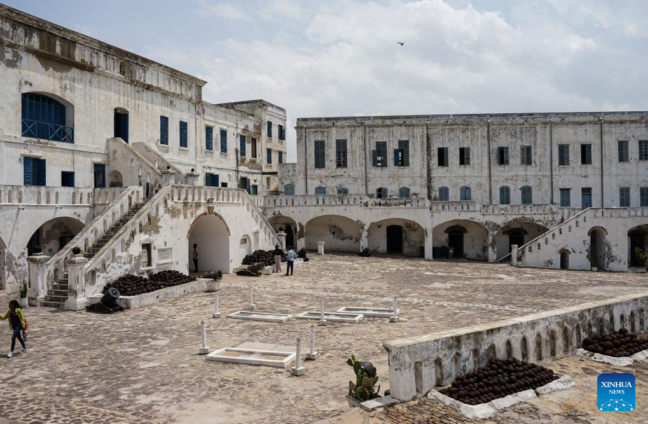
Vice President Professor Naana Jane Opoku-Agyemang says Ghana has a responsibility to protect and “honestly interpret” its historic forts, castles and other sites linked to the transatlantic slave trade.
She says preserving the physical evidence of the trade is critical to ensuring that future generations understand the scale of the injustice and the experiences of Africans who suffered, resisted and survived it.
“Cape Coast Castle and other forts, castles and sites must be fully preserved and honestly interpreted,” Prof. Opoku-Agyemang said.
She was speaking at a ceremony in Accra following the adoption of UN General Assembly Resolution 82/50, which recognised the trafficking of enslaved Africans and the system of racialised chattel enslavement of Africans as the gravest crime against humanity.
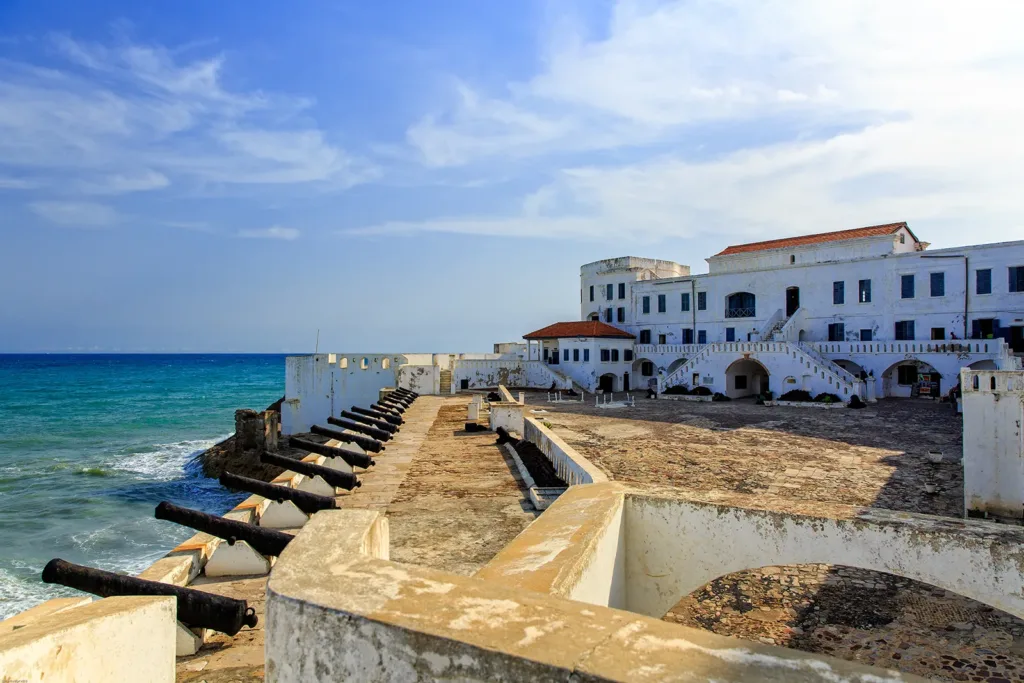
Prof. Opoku-Agyemang said Ghana is the custodian of some of the most significant surviving sites associated with the transatlantic slave trade.
But she said the responsibility goes beyond simply maintaining the structures. The history attached to those locations, she said, must be accurately preserved and communicated.
“Our responsibility is equally important here at home,” she stressed.
The Vice President also drew attention to lesser-known locations across Ghana that preserve memories of resistance to enslavement.
She cited Assin Manso, Sankana and Golu, where she said evidence of the history survives in written records, architecture, healing processes, oral accounts and the landscape.
She recalled encountering caves where communities sought protection from slave raiders and defensive walls constructed to keep them out. According to her, those sites tell an important part of the story that is often overlooked.
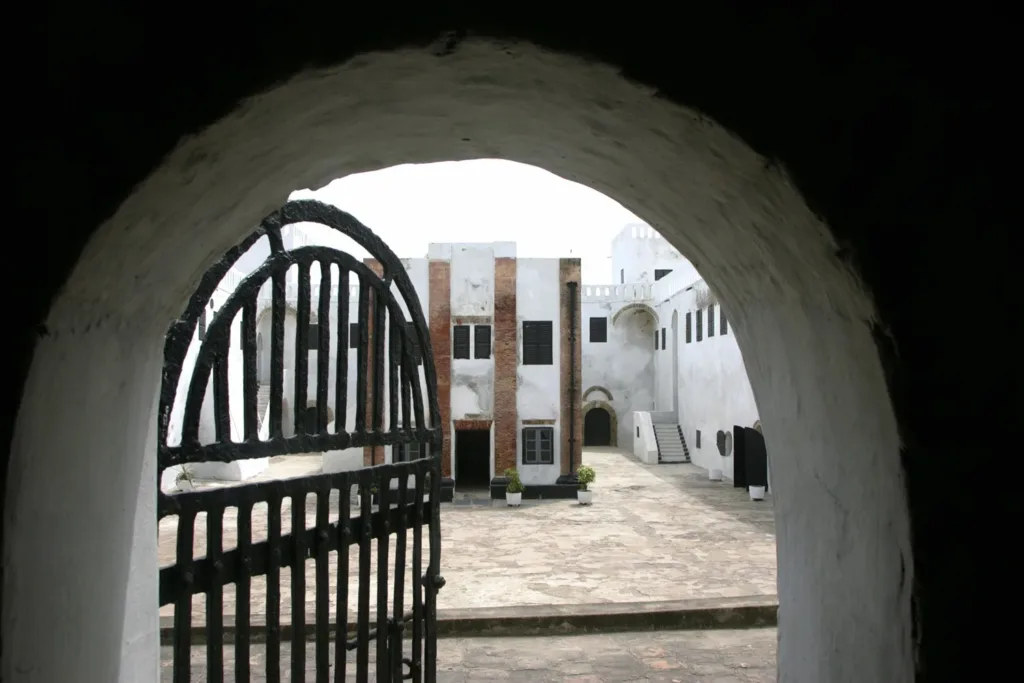
“Africans were more than the people to whom enslavement happened. They also resisted capture, defended their communities, escaped, organized and fought to preserve their freedom,” she said.
Prof. Opoku-Agyemang said the preservation of these sites must therefore capture both the suffering caused by the slave trade and the resistance of African communities.
She also linked the preservation of the sites to the broader reparatory justice agenda, saying historical understanding remains essential to strengthening ties between Africa and the diaspora.
Latest Stories
-
MMDCEs charged to ensure Landing Beach Committees do not sell premix fuel beyond approved prices
42 minutes -
The Inconvenient Truth: Democracy does not fail in The Chamber, it fails in the Committee Room
1 hour -
There is absolutely nothing wrong with what the Chief Justice said
1 hour -
App launched to help Ghanaians verify prospective partners’ marital status before marriage
1 hour -
‘I have gone through a lot these past 2 days’ – A-Plus reveals after New Winneba violence
1 hour -
DBG takes GH¢2.5bn development funding beyond Accra as it pushes industrial transformation
1 hour -
Vice President Jane Opoku-Agyemang calls for accurate teaching of slavery history in schools
1 hour -
Ghana has duty to preserve slave-trade sites and tell their full story – Vice President
2 hours -
West Africa can be self-sufficient in rice production – John Dumelo
2 hours -
Over 300 arrested over extremist recruitment attempts along northern border – Agalga
2 hours -
Housing Minister seeks shorter construction period for Kaneshie–First Light Road works
2 hours -
Ghana cannot afford complacency over extremist threats – Agalga
2 hours -
African leaders call for decisive investments to deliver a more sustainable food system for the continent
2 hours -
Ahmed Ibrahim orders traffic plan ahead of Pamprom Junction road closure
2 hours -
Full funding for Accra-Kumasi Expressway to be ready by year-end without borrowing – Ato Forson
2 hours