

Audio By Carbonatix
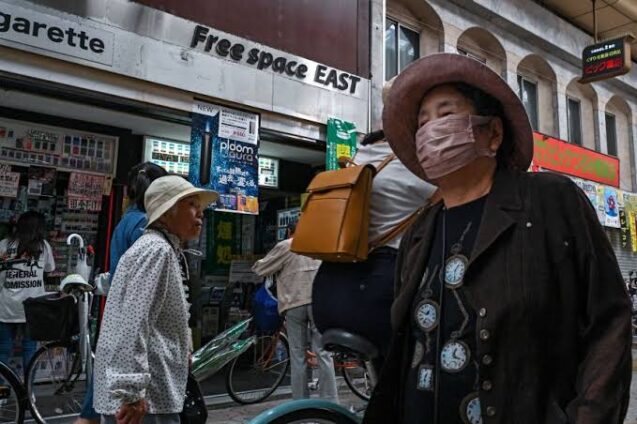
Japan has achieved a historic demographic milestone. The population of people aged 100 or older has surpassed 100,000 for the first time. The Ministry of Health, Labour and Welfare announced Tuesday that the number rose for the fifty-sixth consecutive year. The total reached 107677 in September. This figure represents an increase of nearly 8000 from the previous year in a nation renowned for exceptional longevity.
Women make up the overwhelming majority of this milestone group. Female centenarians account for eighty-eight per cent of the total, at 94298 individuals. Health Minister Kenichiro Ueno addressed the development during a press briefing. He expressed optimism regarding the trend. He stated, "I am very pleased that so many people are remaining active and healthy for so long."
Global comparisons highlight the nation's unique position in human life expectancy. World Bank data from 2024 shows Japan maintained an average life expectancy of eighty-four years. In contrast, the United States recorded an average life expectancy of seventy-nine years. Scientists attribute this longevity to nutrient-rich, wholesome diets and an advanced universal healthcare system. Also, many residents embrace the cultural philosophy of ikigai. This traditional concept encourages individuals to find personal value and daily joy in life despite urban corporate pressures.
The country now houses some of the oldest living individuals on Earth. Ministry records identify Fuyo Kishimoto as a 114-year-old woman residing in Kyoto. Hikaru Kato stands as a 112-year-old man living in Kumamoto.
However, this remarkable longevity creates severe economic and structural challenges. The rapid greying of society places intense pressure on the world's fourth-largest economy. Costs for comprehensive elderly care continue to surge. Simultaneously, the domestic workforce shrinks steadily.
These longevity records coincide with a severe national birth rate crisis. Japan's total population of 123 million continues to contract as annual births drop to unprecedented lows. To address labour shortages, the government has welcomed skilled and blue-collar foreign workers in recent years. Yet political leaders have recently tightened visa requirements. This policy shift follows a domestic rise in anti-foreigner sentiment across various urban centres.
Balancing this unprecedented human triumph against deep structural headwinds will ultimately test the resilience of modern governance. Policy analysts emphasise that securing a sustainable future requires harmonising social welfare modernisation with measured, inclusive economic reform.
Latest Stories
-
Africa Nations Volleyball Championship: Ghana’s Black Spikers lose to Tunisia in opener
2 minutes -
Ghana Baptist University College offers 50–100% tuition scholarships to 2026 SHS leavers
5 minutes -
Gender Ministry resolves 70% of complaints received through citizens’ engagement service
5 minutes -
Ghana gets new legal framework to coordinate social protection programmes
6 minutes -
DVLA plans 24-hour services as digital transformation gathers pace
10 minutes -
NACOC calls for stronger cross-border cooperation to tackle drug trafficking
13 minutes -
AFCON 2027Q: Partey back in training ahead of Côte d’Ivoire, Gambia clashes
20 minutes -
Cedi to end year at GH¢12.20 to a US dollar – Databank Research
23 minutes -
Ex-Spurs midfielder Bissouma completes Ajax move
27 minutes -
Gender Ministry targets 16 regional shelters for survivors of abuse
28 minutes -
Venezuela opposition leader Machado weighs return home amid US reticence
29 minutes -
37 Nsawam Prison inmates sit for Teacher Licensure Examination
31 minutes -
19,760 persons with disabilities benefit from Disability Common Fund – Minister
32 minutes -
Former Kosovo president Thaci sentenced to 25 years for war crimes
35 minutes -
‘Huge and heavily-laden’ SHS prospectus burdens parents, time to review – Dafeamekpor
36 minutes