

Audio By Carbonatix
Ask someone in Tema who ran a small business in 2014 what dumsor meant to them, and the answer rarely starts with megawatts. It starts with lost hours, spoiled stock, generators running on borrowed diesel. That year alone, the Institute of Statistical, Social and Economic Research (ISSER) put the economic cost of the outages at close to a billion dollars, with GDP growth losing an estimated two percentage points.
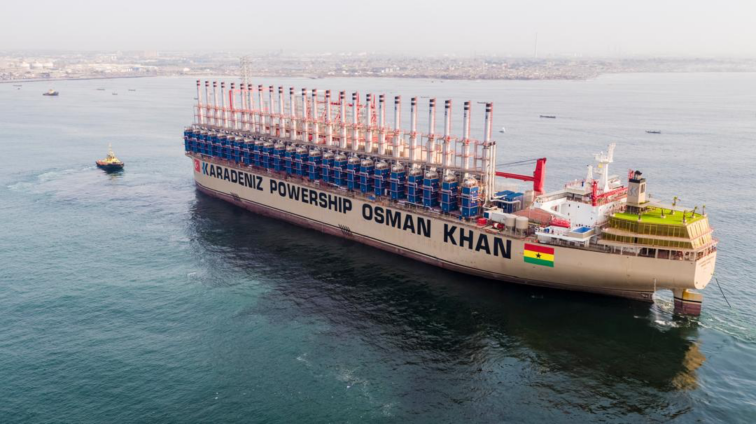
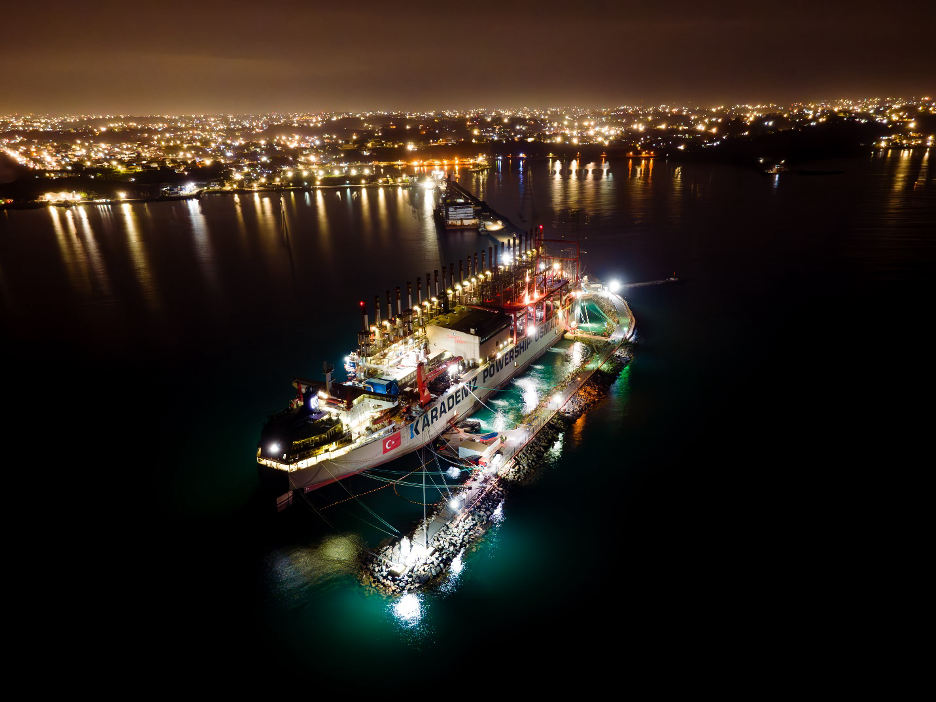
Karpowership arrived in that context in December 2015, when its floating power plant docked in Tema under a supply agreement with the Electricity Company of Ghana. Ten years on, the company holds a contracted capacity of 450 MW and covers close to a quarter of the country’s electricity demand.
From Tema to Sekondi: The switch to domestic natural gas
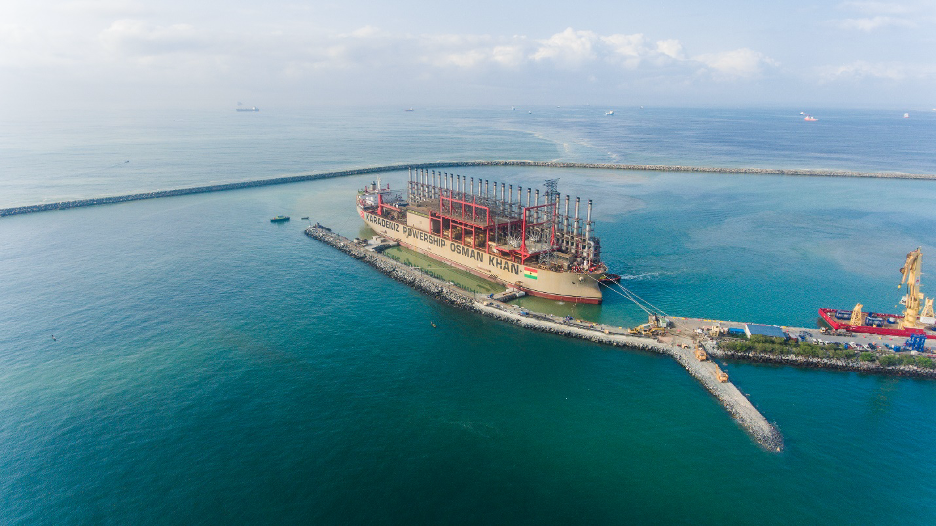
The company’s most consequential decision in Ghana was not its arrival but its departure from Tema. In 2019, once Ghana’s own gas from the Sankofa fields became available, Karpowership relocated its Powership roughly 250 kilometres south to Takoradi, in the Western Region, completing the physical move in a single day.
Running on domestic gas instead of imported liquid fuel resulted in an estimated $ 120 million in annual savings for the country. The move also deepened the company’s footprint in the Western Region, where it has continued to engage local communities, suppliers and institutions well beyond the terms of its power supply contract.
THE IMPACT BEYOND THE MEGAWATTS
A power plant employs more people than the ones who run its engines. Karpowership estimates around 500 direct and indirect jobs across its operations in Ghana, spanning technicians, logistics staff, and a wider network of local contractors. It has also opened space for Ghanaian engineers to build careers in the sector.
The value of that reliability shows up away from the plant too. A manufacturer keeps a production line running through the night. A cold store keeps a fish trader’s stock from spoiling. A student studies under a steady light instead of a candle. None of these is dramatic outcomes on their own, but they add up to the kind of stability an economy needs to plan ahead.
TEN YEARS OF A DIFFERENT KIND OF LEDGER
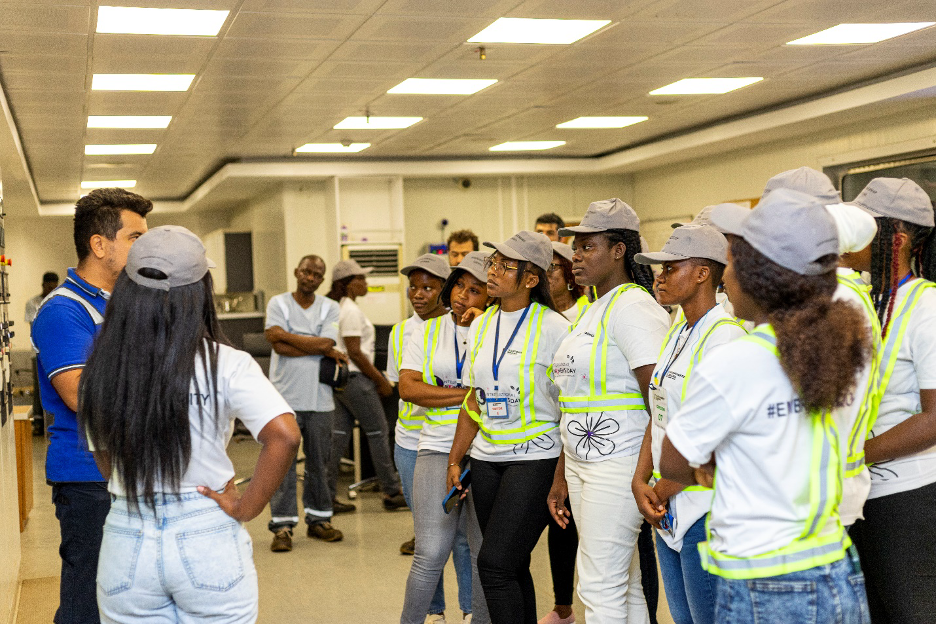
Karpowership’s social investment in Ghana is channelled through the One World Karadeniz Foundation, established in 2024 to coordinate the company’s community programmes across all countries in which it operates. Globally, these programmes span four areas (education & youth development, women’s empowerment, community development, and environment) and have created more than 100,000 local jobs while directly reaching over 300,000 people.
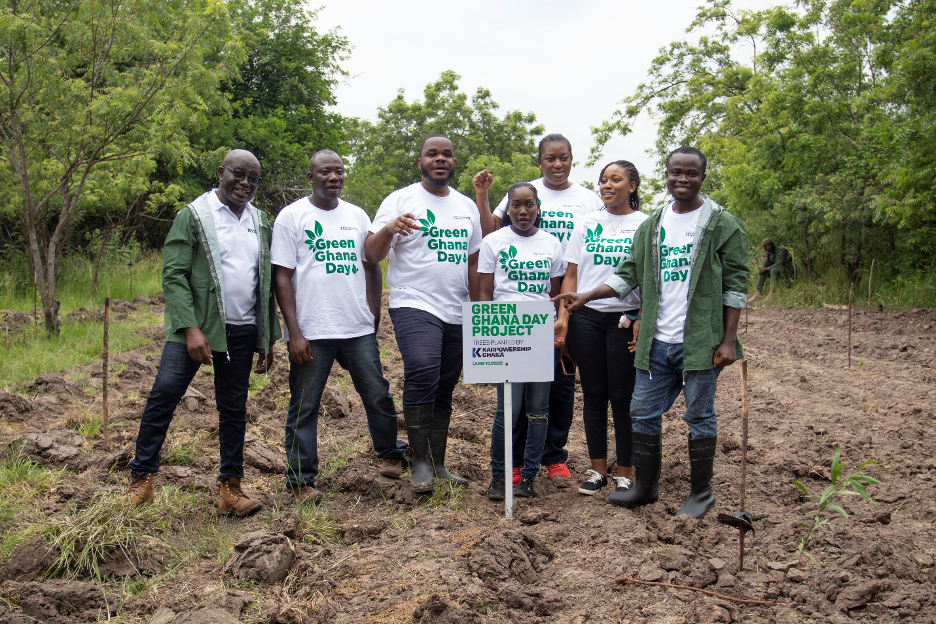
In Ghana, that global framework has translated into local commitments: support for schools and educational infrastructure, scholarships for students pursuing engineering and technical disciplines, community clean-up activities, and more than 15,000 trees planted through environmental initiatives in host communities.
WHERE THE NEXT DECADE STARTS
Ghana’s power sector has moved past the emergency footing of the mid 2010s. The challenge today is less about emergency intervention and more about ensuring a dependable power supply that can keep pace with industrial growth, a rising population, and increasing national energy demand, all while making fuller use of the country’s domestic gas resources.
Karpowership’s decade of operating history in Ghana, from helping address generation deficits to supporting the switch to domestic gas and investing in community programmes, gives it a track record few power producers can match. As Ghana’s power sector continues to evolve, Karpowership remains part of the broader mix supporting the country’s electricity needs.
Latest Stories
-
The Emergency was real, the System was not!
3 minutes -
Agbodza inspects neglected Kwabenya-Berekuso-Kitase road, says funding not protests drives projects
6 minutes -
Tensions intensify in Middle East amid high-stakes UN General Assembly
6 minutes -
COPEC backs possible transport fare increase but warns of impact on commuters
12 minutes -
Dr. Nyaaba calls for sustainable transport and organic inputs to support farmers
24 minutes -
MTN Ghana to extend earnings into second-half of 2026; share price going for GH₵6.69
28 minutes -
Bono Region faces doctor shortage as only 7 of 20 posted doctors report – Deputy Health Minister
35 minutes -
Mahama to cut sod for 160-bed referral hospitals in Oti, Savannah and Western North
36 minutes -
Dr Kwame Nkrumah’s birthday celebration: Africa must heed Nkrumah’s vision of unity – Prof. Lumumba
39 minutes -
Dr Nyaaba calls for green financing to help farmers switch to solar-powered irrigation
39 minutes -
Investor sentiment towards banking stocks to remain positive
44 minutes -
Ghana’s happiness index averages 4.70 as study flags concerns over governance, environment
44 minutes -
Parents urged to seek early treatment for childhood cancer
45 minutes -
AngloGold Ashanti Obuasi mine promotes inclusion through neurodiversity awareness programme
46 minutes -
TVET Service warns institutions against unauthorised fees during admissions
49 minutes