

Audio By Carbonatix
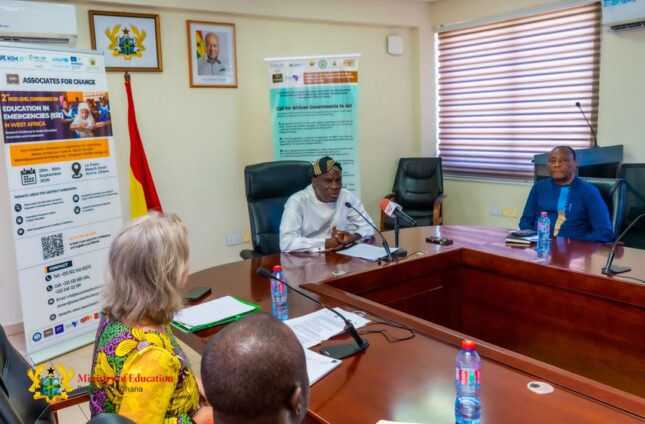
Ghana will host West Africa’s second high-level conference on scaling education initiatives in emergencies, bringing together researchers, innovators, financiers, and academics from across the world to deliberate on how education systems can remain resilient during crises.
The conference, scheduled for September 29 and 30, 2026, in Accra, will focus on practical strategies for protecting education during emergencies, scaling successful interventions beyond pilot stages and mobilising sustainable financing for education responses during and after crises.
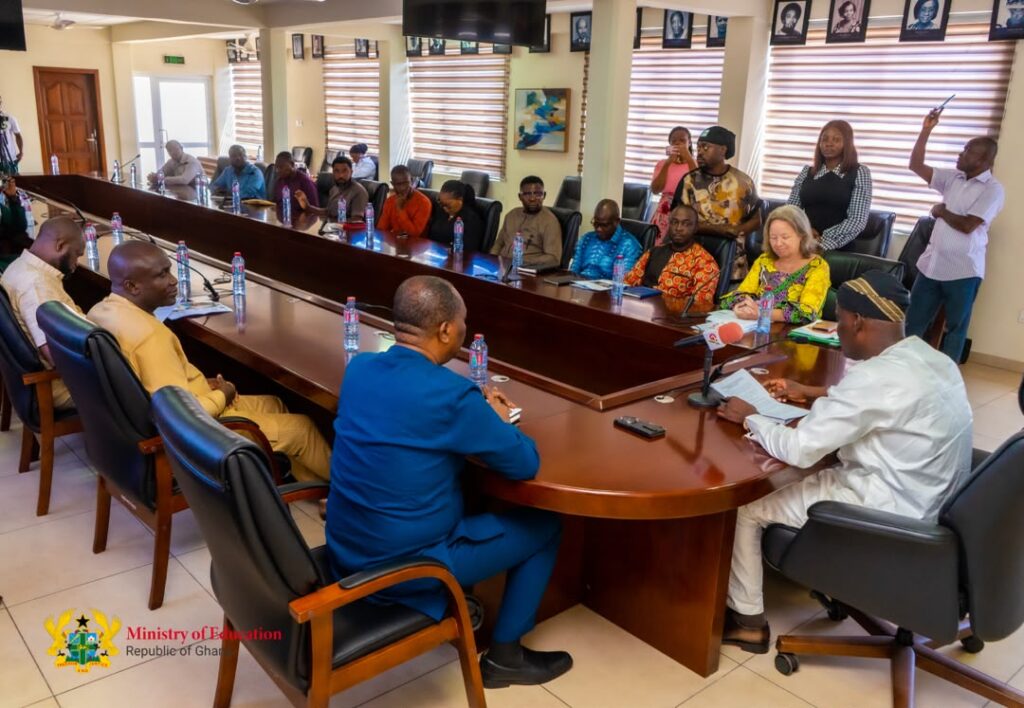
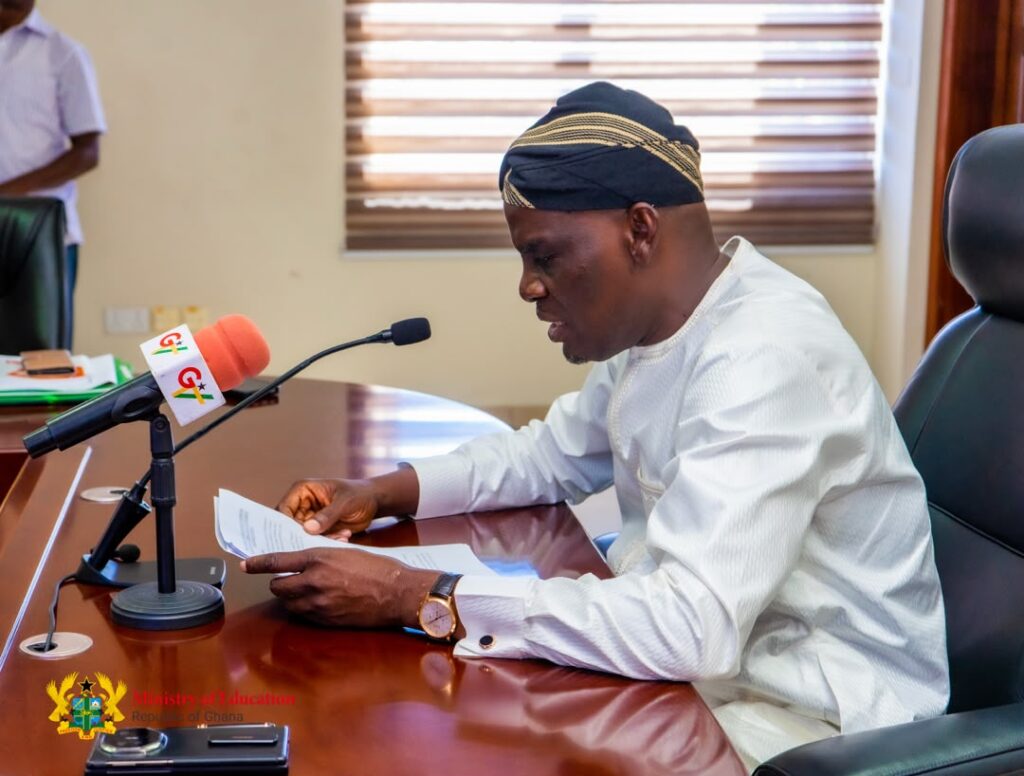
The Minister for Education, Haruna Iddrisu, in a press conference on Thursday, September 24, said the conference would seek answers to four critical questions: what works when a crisis forces schools to close; what it takes to scale successful interventions beyond pilot projects; who finances education interventions when ministries and their agencies lack emergency contingency funds; and what countries in the West African region can do collectively to protect education during emergencies.
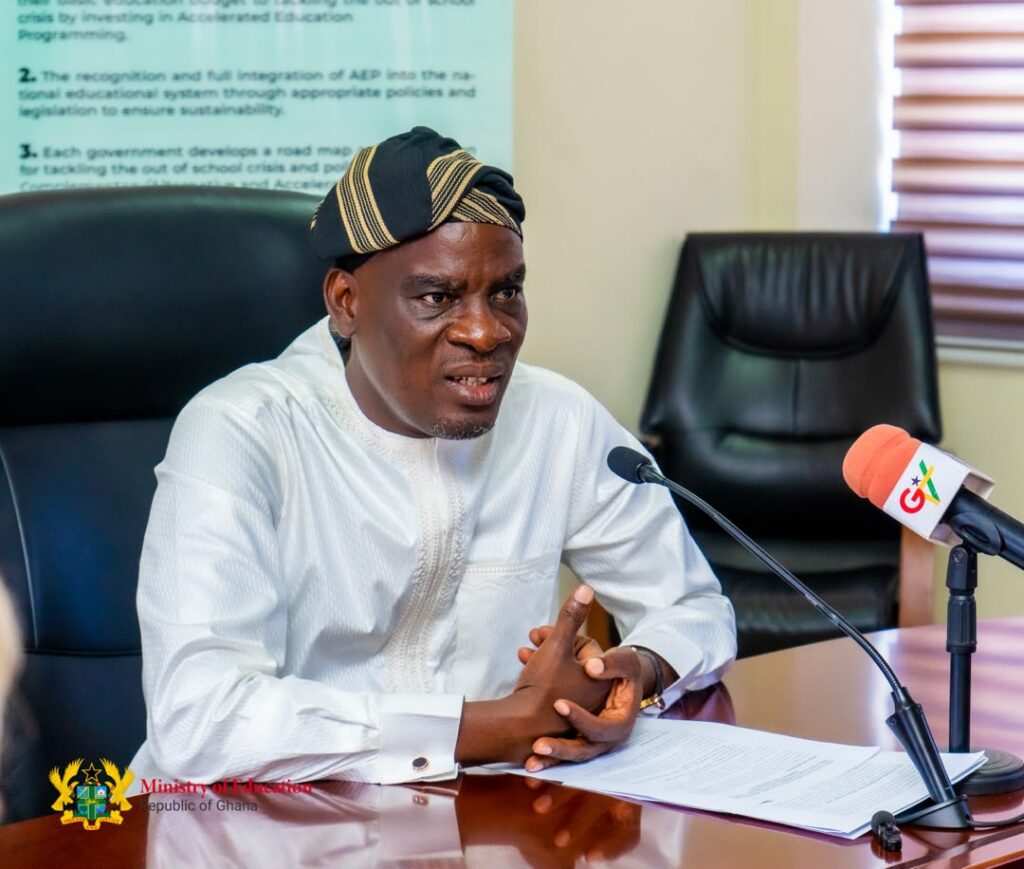
He cited the COVID-19 pandemic as a major example of the disruption emergencies can cause to education systems. Following the closure of schools in March 2020, millions of learners from kindergarten through to tertiary education were sent home, with many losing significant instructional time and some unable to return to school.
According to him, Ghana responded by introducing innovative and largely digital mechanisms to sustain learning during the pandemic.
He said the country was now seeking to introduce additional innovative digital education mechanisms, tools and equipment from kindergarten through the basic education level, building on interventions already undertaken at the secondary level.
The Minister noted that conflicts and other emergencies could have severe consequences for education, including increased dropout rates, teenage pregnancies, learning losses and worsening literacy and numeracy outcomes.
He cited conflicts in areas such as Bawku, as well as developments in Burkina Faso and Mali, as examples of how conflict can disrupt education, noting that teachers may be forced to leave communities and schools, while learners and their families may relocate to safer areas.
Mr Iddrisu also raised concerns about emergencies occurring in communities without access to electricity, radio, smartphones or other digital learning facilities, stressing that education interventions must therefore take into account the realities of vulnerable and underserved communities.
He further highlighted the impact of the Akosombo Dam spillage in October 2023, which submerged communities in parts of the North Tongu, Central Tongu and South Tongu areas of the Volta Region. Tens of thousands of people were displaced, while schools were either submerged or converted into shelters for displaced persons.
He said the disaster resulted in the loss of school furniture, textbooks, records and examination preparations, disrupting teaching and learning at a time when affected learners were still expected to participate in national examinations.
Other emergencies cited included tidal waves and coastal erosion affecting communities around Keta and other coastal areas, flooding in northern Ghana, the effects of the spillage of the Bagre Dam, seasonal floods in the Upper East, Northern, Savannah and Oti Regions, as well as communal and ethnic conflicts.
He stressed that such emergencies also place considerable pressure on teachers and educational infrastructure.
Despite these challenges, Mr Iddrisu said Ghana had not remained passive, pointing to interventions such as the expansion of Complementary and Accelerated Education for out-of-school children, particularly in northern Ghana, as well as investments in foundational learning.
He said strengthening basic and foundational learning would be a major priority, warning that failure to get foundational education right could leave the country's broader education system fragile.
Again, he highlighted the contribution of development partners and organisations supporting foundational learning and accelerated education initiatives.
On teacher development, he said efforts were also being made to strengthen teacher professionalism, including continuous professional education to improve teachers' capacity to respond effectively to changing educational needs and challenges.
The Minister called on innovators and implementers attending the conference to present not only successful models but also interventions that had failed, arguing that lessons from both successes and failures were important to improving education responses during emergencies.
The Minister commended the Director of Associates for Change, Dr Leslie Casely-Hayford, for her continued evidence-based analysis of education policies and government budgets.
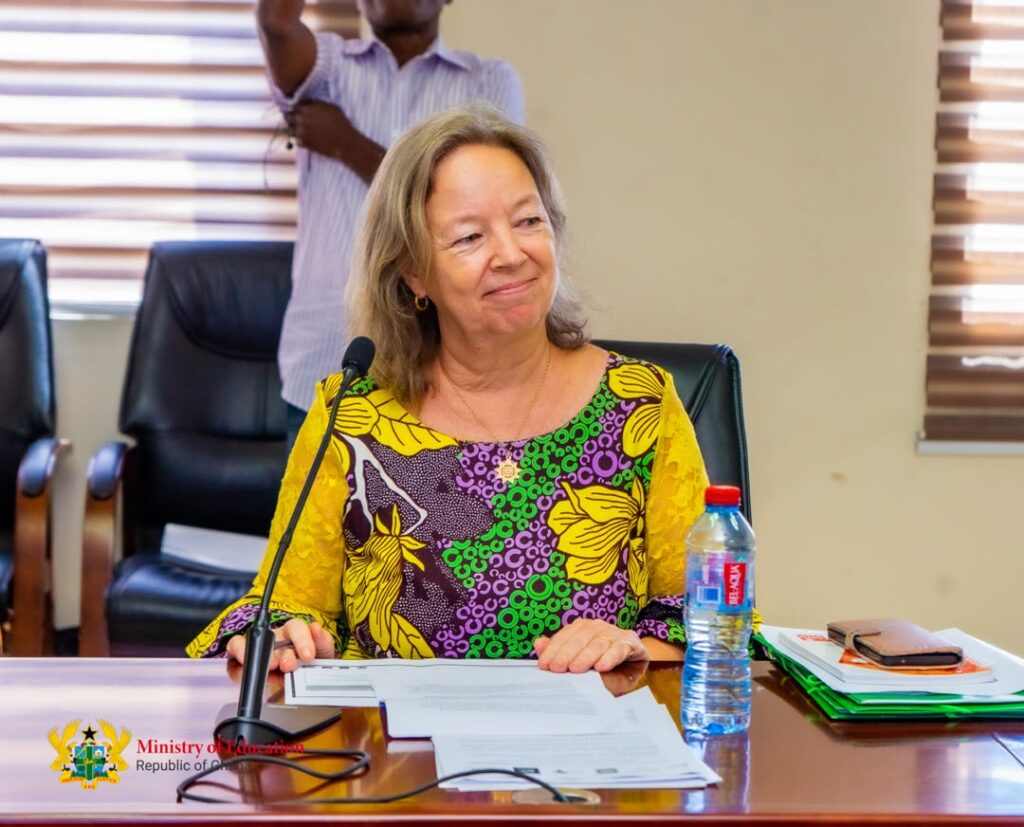
He said her professional scrutiny had contributed to public understanding of education-sector challenges and encouraged her to continue drawing attention to areas requiring greater government attention, including special and inclusive education.
He said the upcoming conference would provide an opportunity for Ghana and its international partners to move beyond discussions and develop practical approaches for ensuring that children continue to access quality education even when emergencies disrupt normal schooling.
Latest Stories
-
TVET Service, Bank of Ghana explore partnership to boost skills development
26 minutes -
Ghana TVET Service, OR Foundation partner to promote sustainable fashion
39 minutes -
Achimota, Accra Academy, PRESEC Osu qualify for next stage of National Public Speaking Event
42 minutes -
NCPTA challenges GES directive on PTA dues, cites High Court injunction
45 minutes -
Majority opposes parliamentary probe into cocaine busts while investigations continue
50 minutes -
Salomey Baffoe detention is a facade to divert attention from cocaine scandal – Weija-Gbawe MP
1 hour -
Francis-Xavier Sosu is doing well after GIMPA incident – Office
1 hour -
Deputy Minority Leader appeals to First Lady, Vice President over Salomey Baffoe’s detention
1 hour -
Ecobank Group commits US$2.6bn to women-led businesses and agribusinesses across Africa
1 hour -
Ghana to host high-level conference on scaling education initiatives in emergencies
2 hours -
Democracy must not be for sale: Who pays for Ghana’s politics, and how do we confront money, influence and accountability?
2 hours -
Aburi Amanfrom landowners appeal for government support for Atwapim development project
2 hours -
Cargill Ghana and International Cocoa Initiative celebrate 111 young graduates building skills for the future
3 hours -
Video: Madina MP Francis-Xavier Sosu collapses while addressing students at GIMPA
3 hours -
Hunnyboy reveals how social media landed him Shatta Wale feature
3 hours