

Audio By Carbonatix
For many Ghanaian families, a serious illness can quickly turn into a financial crisis, with prolonged treatment forcing some to exhaust their savings, rely on relatives or sell personal belongings to keep loved ones alive.
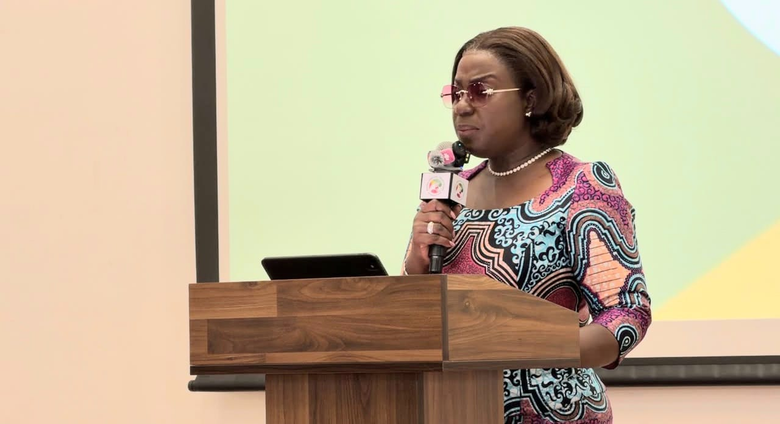
The Administrator of the Ghana Medical Trust Fund, Adjoa Obuobia Darko-Opoku, says the situation underscores the need for stronger financial support for patients battling chronic illnesses.
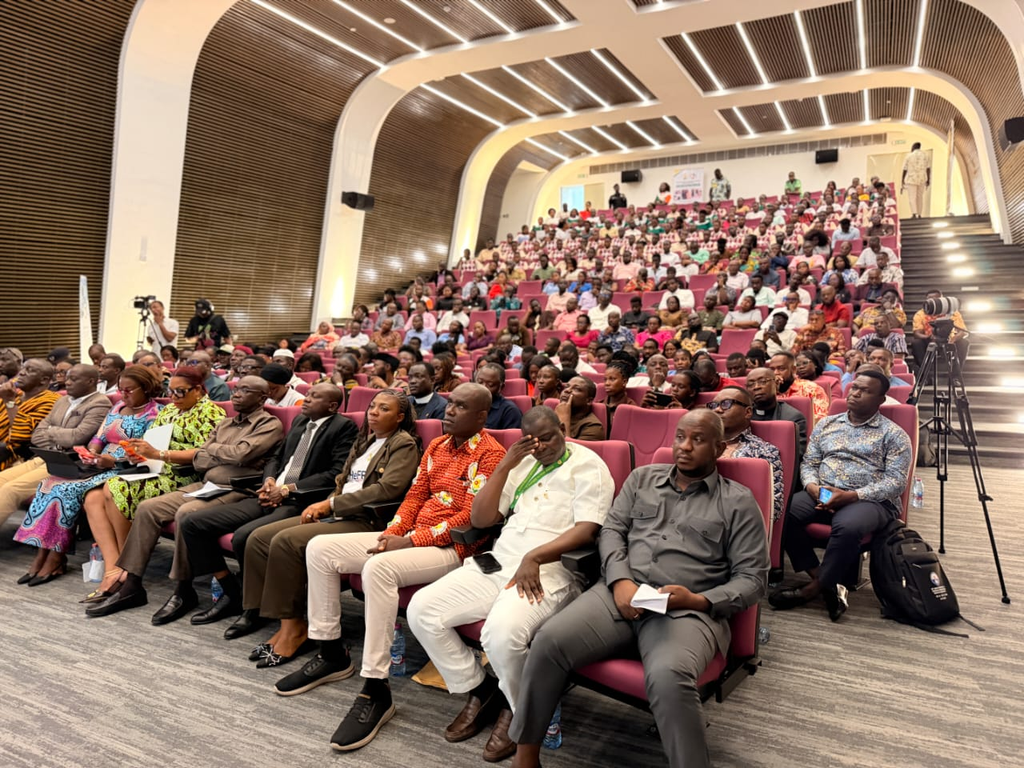
Speaking at a stakeholder engagement in Takoradi on Tuesday, October 6, she said families should not be forced to choose between paying medical bills and meeting other basic needs.
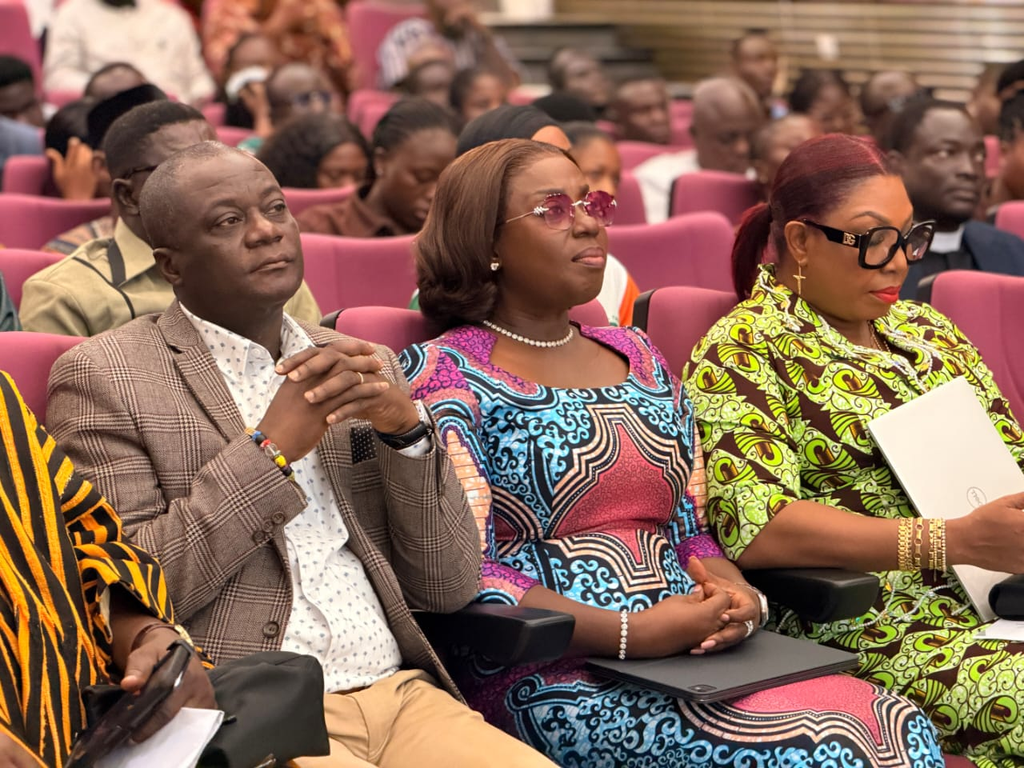
“A single diagnosis can place all those plans in jeopardy,” she said, describing the financial pressures associated with medicines, procedures, transportation and lost income.
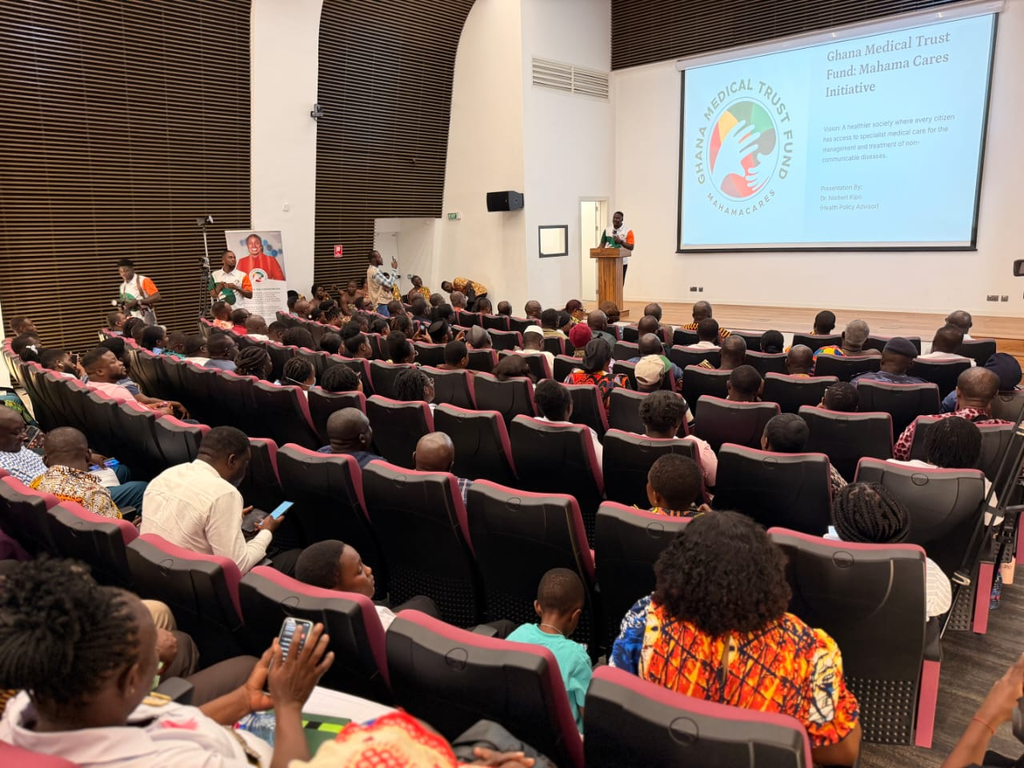
The Ghana Medical Trust Fund, popularly known as Mahama Cares, is expected to provide support for eligible patients requiring specialised treatment for chronic non-communicable diseases, while also strengthening healthcare infrastructure and specialist capacity.
Its other areas of focus include investment in medical equipment, specialist training, and research and innovation.
Madam Darko-Opoku said the Fund’s support must go beyond individual patients to strengthening the health system to make specialised care more accessible.
She cited the Western Region’s health facilities, including the Effia Nkwanta Regional Hospital, as important to efforts to bring appropriate care closer to patients.
“Distance should not deepen a patient’s suffering,” she said.
The Western Regional Minister, Joseph Nelson, said the Fund was a necessary response to the financial difficulties families face when confronted with serious and chronic illnesses.
He said its success would depend not only on funding but also on public awareness, transparency, accountability and collaboration among government, health institutions, traditional authorities, religious bodies, civil society and the private sector.
“Healthcare is not the responsibility of Government alone. It is a shared national responsibility,” he said.
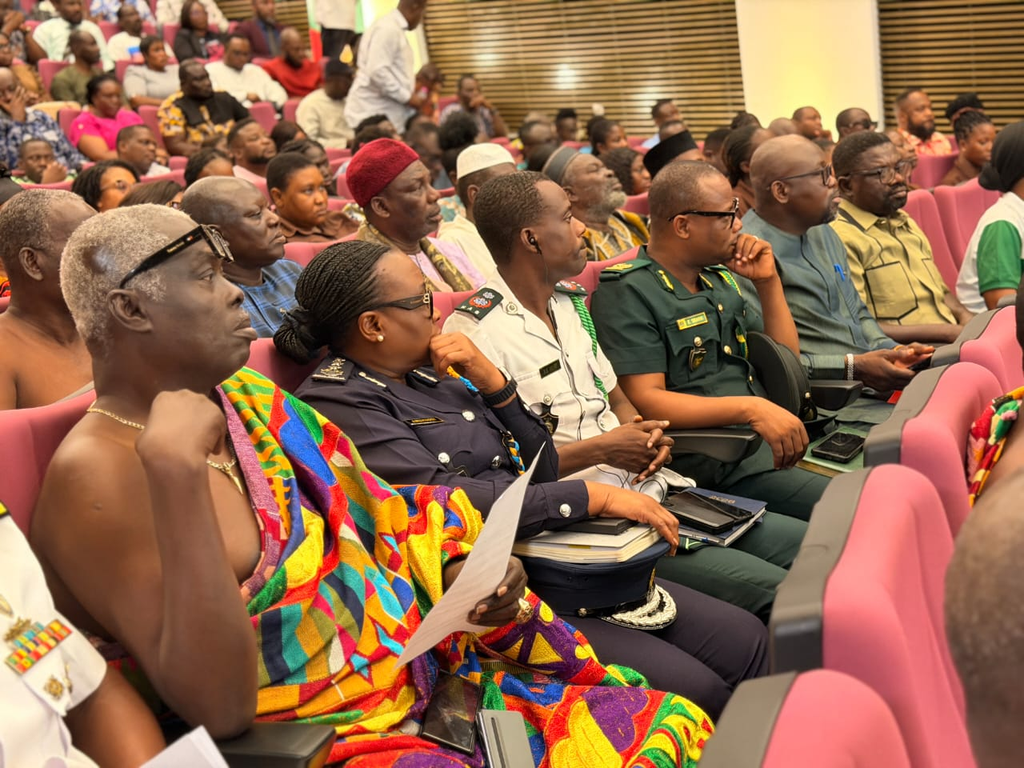
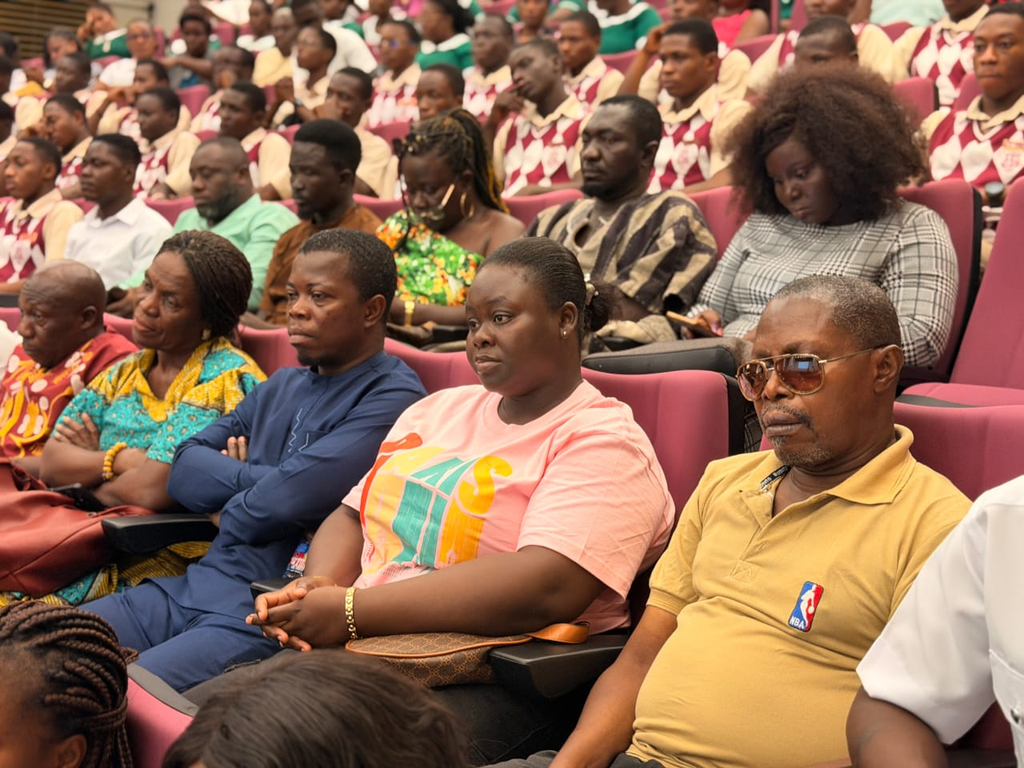
The Western Region is the first stop in a nationwide stakeholder engagement by the Ghana Medical Trust Fund, which will subsequently be taken to the remaining 15 regions.
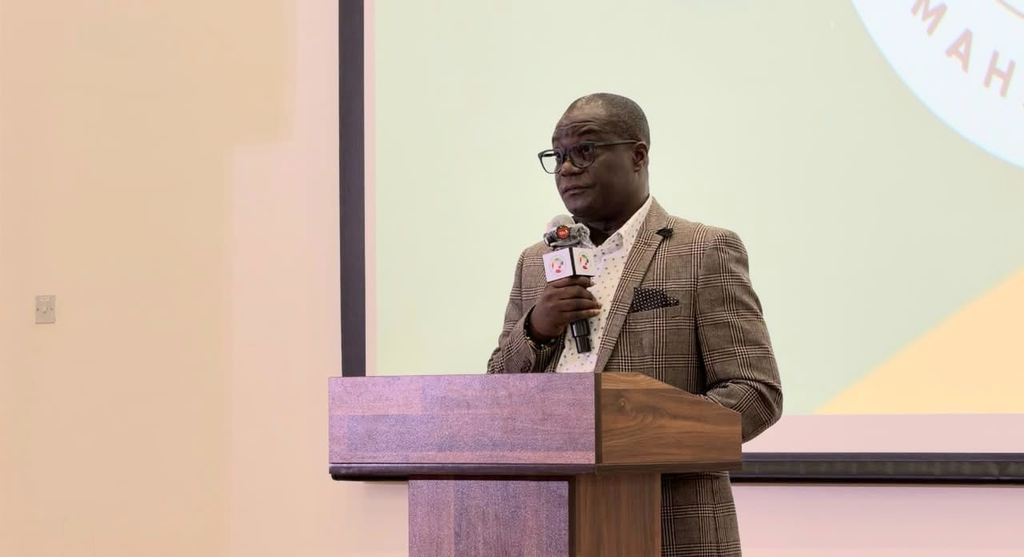
The engagement is intended to help communities understand the Fund’s mandate and processes while allowing authorities to gather concerns and expectations from potential beneficiaries and other stakeholders.
Madam Darko-Opoku also called on businesses and corporate institutions to partner the Fund in supporting patient treatment, medical equipment, infrastructure, specialist training and research.
She said public confidence would depend on how responsibly resources entrusted to the Fund are used.
“Our success must be measured in treatment made possible, hardship eased and lives given a better chance,” she said.
Latest Stories
-
Paramount takes over Warner Bros in $110bn Hollywood merger
24 minutes -
Human resource practitioners asked to embrace digital revolution for efficiency in service delivery
29 minutes -
AMA intensifies enforcement to reclaim BRT bus shelters from traders
33 minutes -
TGMA controversy hasn’t affected my relationship with Diana Hamilton – Piesie Esther
38 minutes -
Cliff Cheqona to take TP Masterclass to Lagos and Abuja in 2027
41 minutes -
Bond market: Turnover rises 77% to GH¢2.76bn
42 minutes -
Be lovers of the environment – Archbishop Kwofie calls for stronger fight against environmental injustice
46 minutes -
BoG declares FX compliance “non-negotiable” as it moves to tighten rules
48 minutes -
Government to prioritise creation of decent jobs – Finance Minister
55 minutes -
Ghana’s ocean is not land under water: Why the Fisheries Commission is right to demand a proper assessment of offshore gold exploration
1 hour -
Teacher unions maintain strike as FWSC, GES negotiations yield no deal
1 hour -
Bond market turnover rises 77% to GH¢2.76bn
1 hour -
Photos: Mahama Ayariga engages World Bank on sustainable cities development
1 hour -
Foreign Affairs Minister warns embassies over long queues, ‘inhumane’ conditions for visa applicants
1 hour -
Photos: AMA steps up enforcement to clear traders from BRT shelters
1 hour