

Audio By Carbonatix
A President joining a national clean-up exercise may make for good television. But the real question is: Is that the highest standard of leadership Ghanaians should expect?
Leadership is not best demonstrated by holding a broom after a flood. Leadership is best demonstrated by building systems that prevent the flood in the first place.
Waste does not accumulate overnight. It builds up daily through failures in collection, transportation, disposal, enforcement and public discipline. That is why waste management should be a daily public service, not an occasional national event.
A National Clean-up Day has its place. It can promote civic responsibility, encourage volunteerism and remind citizens of their environmental obligations. But it should never become the centrepiece of a nation’s waste management policy. If anything, excessive dependence on periodic clean-up campaigns risks creating the mindset that waste can accumulate for weeks or months and then be removed during a national exercise.
The recent floods did not create the mountains of waste we are now cleaning. They merely exposed and displaced waste that had already accumulated in our drains, waterways and public spaces. The floods were therefore not the cause of the waste problem; they were a consequence of it. If accumulated waste contributes to flooding, then the logical response is to prevent its accumulation—not to organise emergency clean-up campaigns after tragedy has struck.
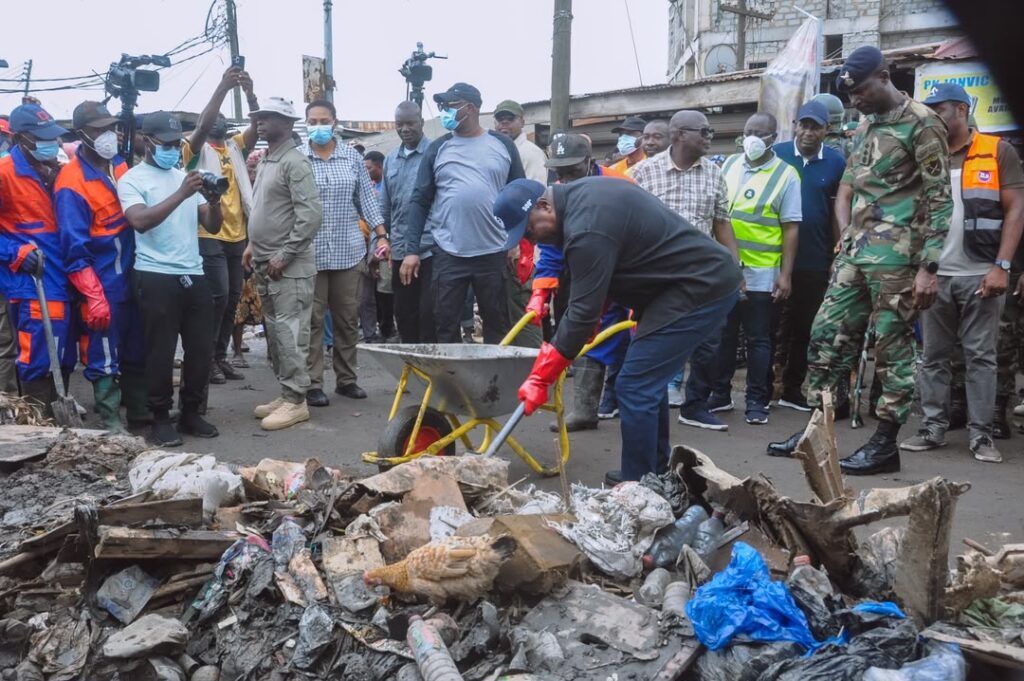
This is the difference between responsive leadership and preventive leadership. Responsive leadership mobilises people after disaster strikes. Preventive leadership builds institutions, finances sanitation services, enforces sanitation by-laws, maintains drains, and ensures that waste is collected before it becomes a hazard.
As an opposition, our responsibility is not simply to criticise. It is to hold government accountable and to demand better governance. We therefore call on President John Dramani Mahama to move Ghana away from reactive sanitation campaigns and towards a modern, professional, year-round waste management system that prevents disasters instead of responding to them.
The best sanitation leadership is not demonstrated by leading the nation with a broom after a flood. It is demonstrated by building institutions, financing services, enforcing regulations, and maintaining systems that make such extraordinary clean-up exercises largely unnecessary.
Ghanaians deserve a government that leads with systems—not brooms.
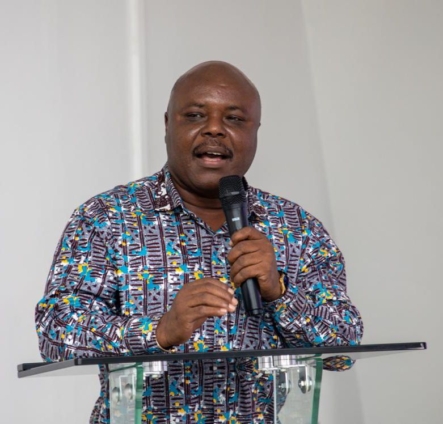
The author, Joseph Cudjoe, is a former Minister for Public Enterprises and former Deputy Minister for Energy, and former Member of Parliament for Effia Constituency.
Latest Stories
-
From despair to dance: Family of nurse Salomey Baffoe rejoices after GH¢100k bail granted
56 minutes -
Kejetia Phase III pricing talks loom as government moves to restart stalled works
2 hours -
Nchiraa Yam festival: Two killed, 14 injured as police restore calm
2 hours -
I draw inspiration for my songs from Reggae music – Lyrical Joe
2 hours -
AI must not replace human judgment in public spending – BoG Governor
2 hours -
Ghana should withdraw from 2027 AFCON – Kojo Addae Mensah
2 hours -
Team Ghana departs Accra for Angola ahead of Karting Africa Trophy
2 hours -
AIT President Prof Clement Dzidonu urges lifelong learning as AI reshapes work and education
2 hours -
FWSC to meet striking teacher unions on Tuesday
2 hours -
NPP won’t force candidates to step down – Miracles Aboagye
2 hours -
Black Stars: Building in the sinking sands
2 hours -
Low inflation on paper, high cost of living: How Presidents Mahama and Trump are facing stark economic reality
2 hours -
NPP will negotiate with popular non-politicians to secure winnable candidates – Miracles Aboagye
3 hours -
Only 5% of Ghanaians can afford housing without support – Gov’t
3 hours -
Nigeria launches rescue after military plane crashes with 32 aboard
3 hours